
TL;DR
Google and Samsung have pledged seven years of updates for recent phones, but physical components age and software grows more demanding. Batteries, memory, storage wear and ports can degrade well before seven years, undermining the practical value of long update windows.
What happened
At Google I/O and during the Galaxy S24 launch Google and Samsung promised seven years of security patches and feature drops for some recent devices. The author reports that, even partway through that window, the phone’s physical components are already struggling: battery health has declined, the user interface feels sluggish with newer AI features, and system responsiveness has worsened. The article argues that software updates bring heavier system services and APIs designed for contemporary hardware, while batteries and other parts age with use and heat. Flash storage endures finite program/erase cycles, ports have mechanical lifetime limits, and OLED screens can suffer burn-in from static UI elements. Those effects mean a handset can be up to date in software while feeling functionally obsolete, and durable update commitments need to be paired with affordable, long-term repairability to be meaningful.
Why it matters
- Software longevity alone doesn't preserve device performance when batteries and components physically degrade.
- Users may need to replace batteries or other parts to realize the full value of extended update promises.
- Hardware limits — like RAM, NPUs and flash endurance — can prevent modern features from running smoothly on older devices.
- Without affordable repair options and parts, long update windows could mainly boost resale value rather than user experience.
Key facts
- Google and Samsung committed to seven years of security patches and feature drops for certain recent phones.
- OS upgrades bring new APIs and heavier background services that target contemporary hardware specifications.
- Batteries degrade due to chemical aging, heat and usage; tools like Adaptive Battery can mitigate but not stop wear.
- A battery replacement may be required once or more during a seven-year ownership period.
- Memory demands have grown: a decade ago Android ran on ~2GB of RAM; today 8GB is common and flagships reach 16GB.
- The base Pixel 8 initially lacked hardware to run Google’s Gemini Nano AI model, which was designed for the 12GB Pro; Google later made Gemini Nano available on the Pixel 8.
- Flash storage endures a finite number of program/erase cycles; repeated large updates and high-res media can slow read/write performance over time.
- USB-C connectors are typically rated for around 10,000 insertions; heavy daily use can approach those mechanical limits within a decade under ideal conditions.
- OLED screens risk burn-in from static UI elements over many years of use.
- If repair costs exceed about 30% of a device’s market value, many users prefer replacement over repair, reducing practical longevity.
What to watch next
- Whether manufacturers commit to long-term, affordable access to replacement batteries and parts over the full update window.
- How future Android releases adjust minimum hardware requirements (RAM, NPUs) for AI features and system performance.
- Availability and pricing of battery and screen replacements from first-party and independent repair providers.
Quick glossary
- NPU: Neural Processing Unit — a chip component optimized for AI model inference tasks on-device.
- RAM: Random-access memory — short-term memory a device uses to run apps and system processes; more RAM lets a device hold more active tasks.
- Program/Erase (P/E) cycles: A limited number of times flash storage cells can be written and erased before their performance and reliability degrade.
- OLED burn-in: Permanent image retention on OLED displays caused by prolonged display of static elements in the same pixels.
- Adaptive Battery: A software feature that limits background activity for infrequently used apps to conserve battery life.
Reader FAQ
Does Google guarantee smooth performance for seven years?
Google committed to seven years of updates, but the source does not say the company guaranteed sustained performance throughout that period.
Will a phone battery last the full seven years without service?
No; the source explains batteries degrade with use and heat and indicates you will likely need at least one battery replacement.
Should I buy the base model if I want to keep a phone for seven years?
The source recommends avoiding the base 8GB model and opting for 12GB or 16GB to provide headroom against future software demands.
Are affordable repairs included in the seven-year promise?
Not confirmed in the source.
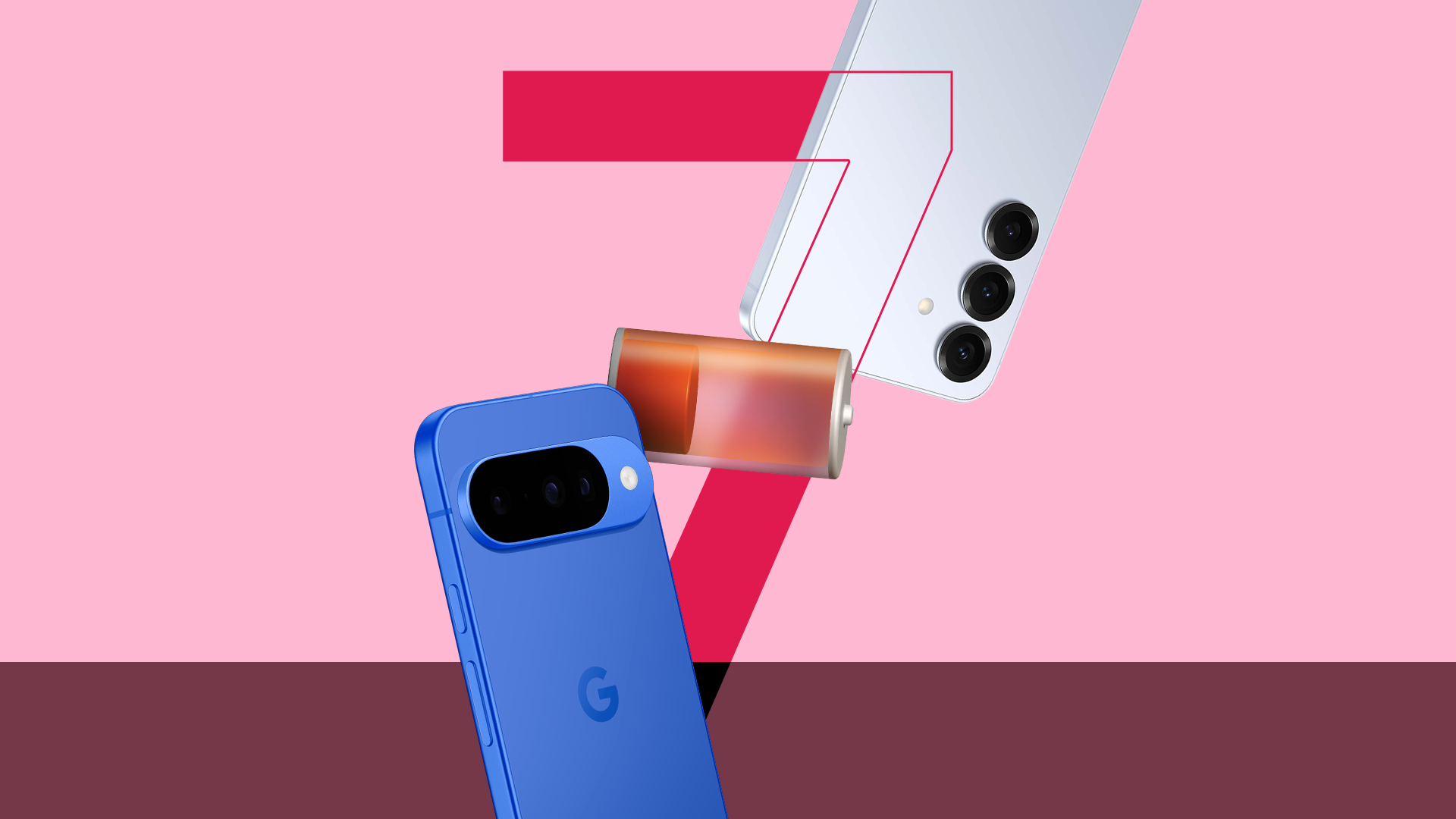
Google promises 7 years of updates, but my phone's battery won't last that long Credit: Lucas Gouveia / Android Police By Ben Khalesi Published 16 minutes ago Ben Khalesi writes about…
Sources
- Google promises 7 years of updates, but my phone's battery won't last that long
- Google's 7-year update plan sounds great — until you think …
- Google is already faltering at its seven year update promise
- Google just fixed 84 Android security flaws including two …
Related posts
- Five Spotify features no other music streaming app currently gets right
- How I Escaped Google Photos’ 15GB Limit and Built a Local Photo Vault
- I quit ordering takeout after learning where delivery apps source meals