
TL;DR
The UK Department for Culture, Media and Sport wants the BBC to act as a 'trusted guide' on AI and to help citizens develop basic technology skills as part of the broadcaster's next charter period. The review also examines internal AI transparency, potential commercial uses of the BBC's archives, and alternative funding models.
What happened
On December 16 the UK Department for Culture, Media and Sport published a charter review that asks the BBC to play a central role in helping the public understand artificial intelligence and basic digital skills. The DCMS frames the corporation as a 'trusted guide' that could teach people to recognise AI-generated content, assess its reliability and learn basic prompting. The review explicitly links this ambition to the BBC's 1979 Computer Literacy Project — a public education effort that preceded the BBC Micro and early UK computing industry developments. The DCMS also wants the BBC to be transparent about its internal use of AI; the broadcaster has published transparency principles and is already using generative AI to produce text for the BBC Sounds app in some football commentary cases. The charter review, which will inform the BBC's remit from January 2028, also explores funding options and the possibility of using archives commercially to train AI systems.
Why it matters
- A public broadcaster-led push could raise baseline digital literacy about AI among broad audiences.
- Using archives or licensing content to train models could generate revenue but raises public-interest and rights questions.
- Transparency about internal AI use affects trust in news and public services.
- Changes to funding models (ads, subscriptions, commercial activity) could alter the BBC's public-service role and market position.
Key facts
- DCMS published its charter review on December 16.
- The department wants the BBC to act as a 'trusted guide' to help the public understand AI and develop basic technology skills.
- Suggested public teaching could include recognising AI-generated content, assessing reliability, and basic prompting skills.
- The review references the BBC's 1979 Computer Literacy Project and the resulting BBC Micro computer developed with Acorn.
- Acorn sold more than 1.5 million BBC Micro units; Acorn later developed the Arm processor and set up Arm as a joint venture in 1990.
- The BBC has published AI transparency principles and is using generative AI to create text for the BBC Sounds app based on some live football commentary.
- BBC research cited in the review found AI chatbots often cannot reliably summarise BBC news stories.
- The charter review will shape the BBC's goals for the decade starting January 2028 and explores options including advertising, subscriptions and increased commercial revenues.
- DCMS proposes working with the BBC on whether its archives could be used to train AI and generate revenue, and on supporting smaller public service media when negotiating with AI companies.
What to watch next
- Whether the BBC will license its archives to commercial AI developers — not confirmed in the source.
- Decisions on new funding mechanisms for the BBC (advertising, subscriptions, or other commercial measures) — not confirmed in the source.
- How the BBC will operationalise transparency around internal AI use and the practical programmes it will run to boost public AI literacy.
Quick glossary
- Charter review: A government-led assessment that sets the public broadcaster's objectives, remit and governance for an upcoming period.
- Generative AI: AI systems that create new content — such as text, images or audio — based on patterns learned from data.
- Prompting: Providing instructions or input to an AI system to elicit a specific response or output.
- Archives: Collections of previously produced material (audio, video, text) held by an organisation, often used for historical reference, reuse, or research.
Reader FAQ
Is the BBC being ordered to teach people about AI?
DCMS says it wants the BBC to support basic and universal skills and help the public understand AI, but final remit details will be set through the charter process.
Will the BBC sell or licence its archives to AI companies?
Not confirmed in the source.
Is the BBC already using AI internally?
Yes. The BBC has published transparency principles and is using generative AI to produce text for the BBC Sounds app in some live football commentary cases.
When would any new BBC remit come into effect?
The review will inform the BBC's objectives for the decade beginning January 2028.
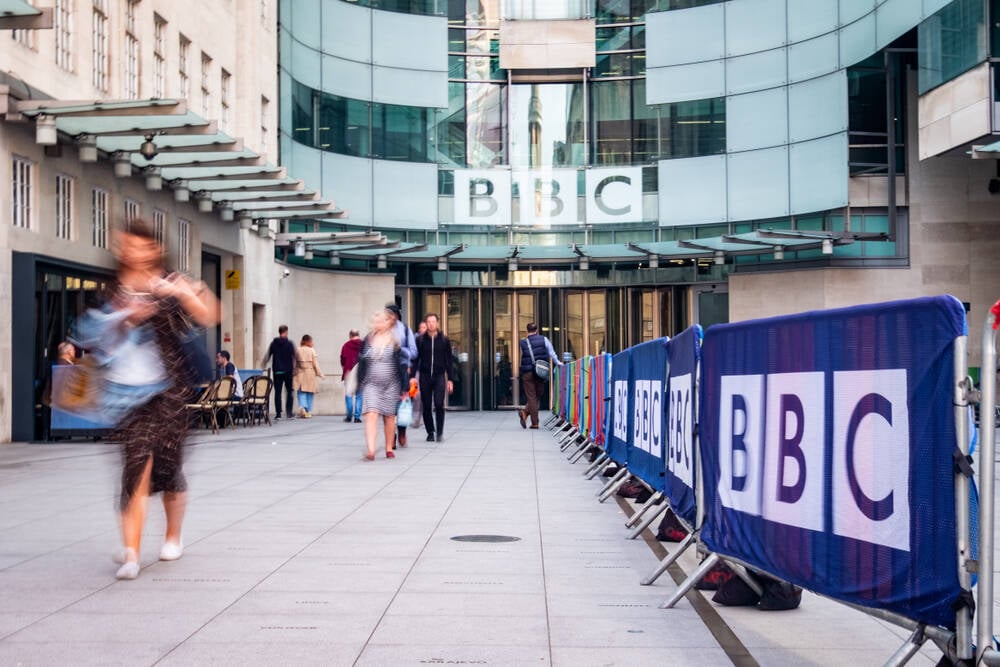
AI + ML 229 BBC tapped to stop Britain being baffled by AI Gov wants broadcaster to revive 1980s computer literacy magic – and maybe flog its archives to tech…
Sources
- BBC tapped to stop Britain being baffled by AI
- BBC Engages in Public Campaign to Elevate AI Literacy …
- One in three using AI for emotional support and …
Related posts
- Uber and Lyft to introduce Baidu robotaxis in London in 2026 pilot scheme
- US Targets China’s ‘Dominance’ in Legacy Chips with Zero-Percent Tariffs
- Federal judge blocks Texas App Store age-verification law ahead of rollout