
TL;DR
A first-person memoir recounts childhood in a closed, state-built industrial city in the Gobi Desert known by the code '404.' Established in 1958 to support China's atomic program, the settlement later became a major reprocessing and radioactive waste site with a tightly controlled residential enclave separated from the factory complex.
What happened
The author describes being raised in a classified industrial settlement, commonly referred to as Factory 404, established in 1958 west of the Yumen Pass to support China’s early atomic program. The site was omitted from public maps and built from scratch in harsh desert conditions—severe sandstorms, almost no trees and about 50 millimetres of annual rainfall—forcing early residents to live in rudimentary shelters and rely on trucked-in water. Highly skilled technicians, machinists and specialists were relocated there; precision manual work was required to produce bomb components. During the 1959–61 famine the community nearly exhausted its food stores and set up farms, irrigation from mountain meltwater and hunting parties to survive. By the late 20th century the facility shifted toward reprocessing and cooling of spent fuel rods, with strict radiation controls: short pit shifts, protective gear and physical separation between the residential area and the industrial zone.
Why it matters
- Illustrates how Cold War-era secrecy and rapid industrial mobilization shaped isolated, purpose-built communities.
- Highlights the human and logistical challenges of operating a high-precision nuclear industrial site in an arid, remote environment.
- Provides firsthand perspective on safety practices, accidents and the social consequences of living near radioactive materials.
- Shows how a clandestine facility developed urban infrastructure and social life despite isolation and risk.
Key facts
- Factory 404 was established in 1958 in the Gobi Desert to support China’s atomic bomb program.
- The settlement was not marked on public maps and was sometimes referred to by the code name 'Gansu Mining Area'.
- Annual rainfall in the region is cited at around 50 millimetres; early residents relied on water trucked in.
- The local railway station name 'Di Wo Pu' translates to 'Low-Lying Hollow.'
- Early settlers included elite machinists, locksmiths, chefs and other specialists recruited from major Chinese cities.
- During the 1959–61 famine the community nearly exhausted rations and created farms, meltwater channels and hunting teams to survive.
- By the author’s birth in 1991 the site functioned as a processing center for spent nuclear fuel, using deep cooling pools for reprocessing.
- Industrial safety measures included limiting ‘pit’ work shifts to about thirty minutes and mandatory showers and protective clothing after shifts.
- Residential life included department stores, a cinema, factories for consumer goods and a small zoo; population was under 30,000 by the author’s birth.
- A seven-story Communication Building with a four-sided clock served as a visible town landmark.
What to watch next
- Whether authorities will declassify or officially acknowledge the site more fully in the future — not confirmed in the source.
- Any public studies or disclosures about long-term health or environmental monitoring around the former facility — not confirmed in the source.
- Plans for remediation, cleanup or changes to site use in coming years — not confirmed in the source.
Quick glossary
- Atomic bomb program: A government-led effort to design, build and test nuclear weapons, involving scientific, engineering and industrial resources.
- Reprocessing: A chemical process that separates usable nuclear material from spent fuel so some components can be recycled and others managed as waste.
- Radiation exposure controls: Operational measures—time limits, shielding, protective clothing and decontamination—to reduce workers’ exposure to ionizing radiation.
- Three Years of Hardship: A period (1959–1961) in China marked by severe food shortages and famine that affected millions nationwide.
- Cooling pool: A water-filled basin used to store and cool spent nuclear fuel, providing shielding from radiation and removing decay heat.
Reader FAQ
When and why was Factory 404 created?
It was established in 1958 to support China’s atomic weapons program, according to the memoir.
Where is the site located?
The settlement is described as being in the Gobi Desert, west of the Yumen Pass.
Did the site continue to handle nuclear material later on?
By the author’s birth in 1991 the facility was described as handling spent fuel reprocessing and cooling; current operational status is not confirmed in the source.
Were there health and safety incidents?
The memoir recounts anecdotes of radiation-related accidents, strict time limits on high-exposure tasks and containment actions after incidents.
Can the public visit the site today?
not confirmed in the source
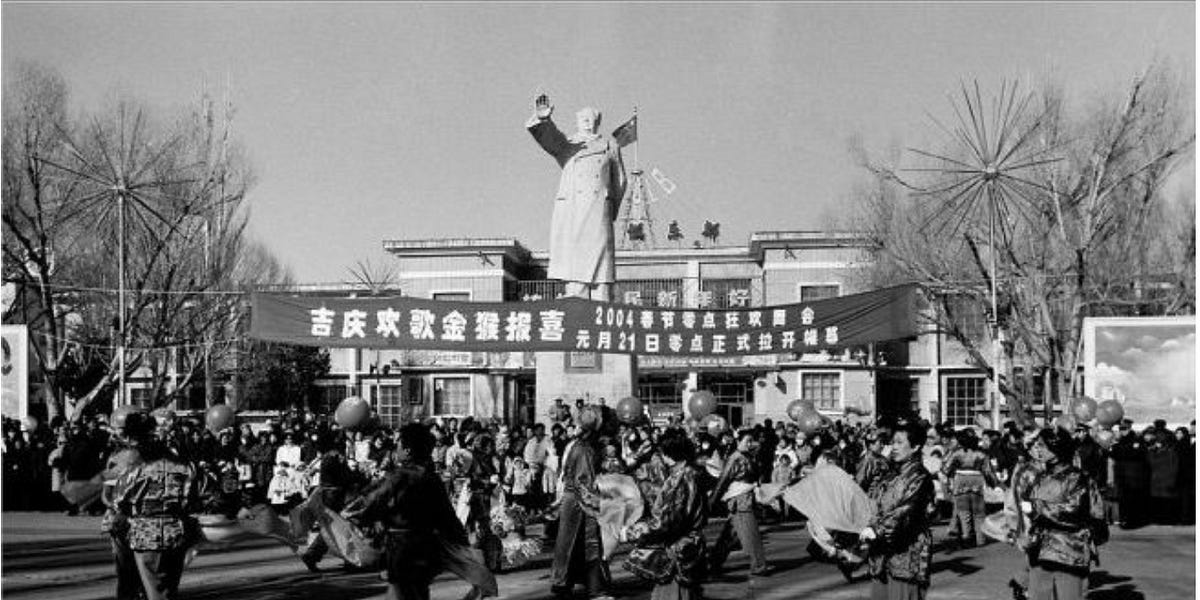
VINCENT Error 404: Life in a Secret Chinese Nuclear City That Was Never on the Map A memoir of growing up in China’s classified atomic bomb base in the Gobi…
Sources
- Growing up in “404 Not Found”: China's nuclear city in the Gobi Desert
- Error 404: Life in a Secret Chinese Nuclear City That Was …
- 404: The City Left Behind by China's Nuclear Ambitions
- 404 China: Inside the abandoned nuclear city
Related posts
- Daily Bottled-Water Drinkers Swallow About 90,000 Extra Microplastic Particles
- C++ says “We have try…finally at home” — destructors handle cleanup
- Growing Up in ‘404 Not Found’: Life in China’s Secret Nuclear City