
TL;DR
WIRED's guide to home Pilates equipment outlines affordable and splurge-worthy items to make mat and reformer-style workouts more comfortable and effective. The story emphasizes that gear helps with traction, comfort, and variety but won't replace the practice itself.
What happened
On Jan. 7, 2026, WIRED contributor Boutayna Chokrane published a buyer's guide detailing what to buy, skip, or splurge on for at-home Pilates. The piece traces Pilates back to Joseph Pilates' original Contrology and notes that the reformer was a later invention improvised from leather straps and hospital bed frames. The guide recommends a foundation of fitted activewear and a good exercise mat, and highlights small, affordable upgrades — most notably grippy socks — that improve stability and hygiene. It lists apparel (leggings, shorts, sports bras, bodysuits), mats and towels, and a range of props (exercise ball, Pilates ring, light dumbbells, wrist/ankle weights, core sliders) for intensifying mat practice. The article includes specific product examples and prices, and flags tradeoffs such as mats that can get slippery with sweat or grippy-sock grips that degrade with heavy washing. It stresses that equipment should enhance practice but does not substitute for intentional, controlled movement.
Why it matters
- Proper gear can increase safety and traction, reducing slipping during controlled Pilates movements.
- Affordable props and light weights let practitioners vary intensity without investing in expensive studio equipment.
- Fitted clothing helps instructors and practitioners monitor form, which is central to Pilates’ emphasis on precision.
- Knowing tradeoffs (e.g., mat materials, washable sock grips) helps buyers choose items that last and suit their practice.
Key facts
- The guide was published by WIRED on Jan. 7, 2026 and written by Boutayna Chokrane.
- Joseph Pilates originally called the method Contrology; the reformer was developed later from improvised materials like leather straps and hospital bed frames.
- Grippy Pilates socks are recommended as a top purchase for traction and hygiene; Flydo grippy socks are listed at about $13 (sale price).
- Fitted, stretchy bottoms such as high-waisted leggings or biker shorts are advised so instructors can check form; Athleta Salutation Stash leggings are cited (about $109).
- Sports bras for Pilates should be low- to medium-impact; the guide includes options ranging from budget to higher-priced pieces (Forme Power Bra listed at $179).
- Exercise mats with textured, non-slip surfaces and padding are important; Manduka Prolite 4.7mm mat is listed around $108, and cheaper options like a Gaiam mat appear at roughly $18–$25 on sale.
- Towels are recommended, especially for heated classes; some mat-towel combos and hand towels are mentioned (Iuga towel set around $23).
- Light dumbbells (2–3 pounds), wrist and ankle weights, a Pilates ring, exercise ball, and core sliders are suggested to add resistance and variety to home mat work.
- The guide notes potential downsides: some mat surfaces can become slippery with sweat, and some silicone or silica-grip features on socks may degrade with frequent machine washing.
What to watch next
- Some mats can become slippery when sweaty — choose materials and cleaning routines accordingly.
- Silica- or silicone-based grips on socks can wear down with frequent machine washing.
- Towels and mat towels can trap odors and bacteria if not laundered promptly and correctly.
Quick glossary
- Pilates reformer: A bed-like frame with a sliding carriage and springs used to provide variable resistance during Pilates exercises.
- Pilates ring (magic circle): A flexible ring used as a prop to add gentle resistance and improve muscle engagement.
- Core sliders: Small discs or pads placed under hands or feet to create a low-friction surface, increasing demand on core stability during movement.
- Grip socks: Socks with rubberized or silicone patterns on the sole to improve traction on mats and equipment.
- Closed-cell mat: A mat construction that resists absorbing sweat and moisture, making it easier to clean and less hospitable to bacteria.
Reader FAQ
Do I need an expensive reformer to practice Pilates at home?
Not confirmed in the source.
What single item does the guide recommend buying first?
The guide highlights grippy socks as an essential, high-impact purchase for traction and hygiene.
Are special clothes required for Pilates?
Fitted, stretchy activewear is recommended so instructors can observe form; loose clothing is discouraged.
What small props add the most variety to mat Pilates?
Light dumbbells (2–3 pounds), a Pilates ring, an exercise ball, wrist/ankle weights, and core sliders are suggested.
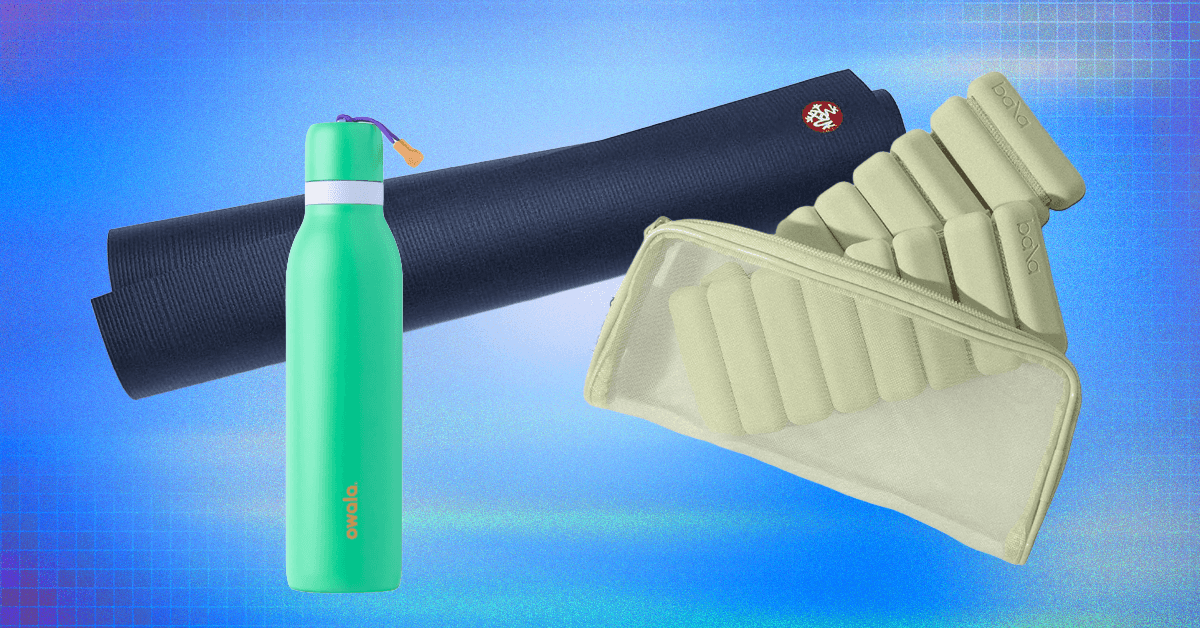
BOUTAYNA CHOKRANE GEAR JAN 7, 2026 7:00 AM The Best Home Pilates Equipment for Studio-Quality Workouts Here’s everything that you should buy, skip, or splurge on for your at-home Pilates…
Sources
- Home Pilates Equipment for Studio-Quality Workouts (2026)
- 10 Best At-Home Pilates Equipment Picks of 2025
- The 6 Best Pilates Reformer Machines In 2026, Tested …
- The Essential Guide to Pilates Equipment for Studio Owners
Related posts
- Arcade Terminator machine halted by failing motherboard battery warning
- Philips Hue’s SpatialAware maps lights to improve scene distribution
- Canon January 2026 Promo Codes: Up to 30% Off and $1,600 Savings