
TL;DR
A recent essay collected by Open Culture argues that the franchise-driven model exemplified by the Marvel Cinematic Universe has contributed to a dilution of cinematic storytelling. The piece highlights a concept called "storytelling entropy," where continual expansion of franchises weakens the symbolic focus and urgency of individual films.
What happened
In a commentary republished by Open Culture, writer Colin Marshall summarizes a video essay by Tom van der Linden that coins the term "Marvelization" to describe a franchise-first approach to cinema. Van der Linden, who once enjoyed the MCU, says following its releases grew from pleasurable to burdensome as films prioritized cross-platform expansion, legal protection of intellectual property, and market saturation. He frames a central problem as "storytelling entropy": the idea that continual franchise growth saps concentrated meaning from objects, motifs and characters. The lightsaber from Star Wars is offered as an example — potent and symbolic in early films, increasingly banal as the universe expands. The article argues this model has encouraged imitators across Hollywood and even affected non-genre film and television, producing studio-driven projects that feel commercially motivated rather than artistically necessary.
Why it matters
- Concentration on franchise expansion can reduce the thematic density and symbolic economy that characterize traditional cinematic storytelling.
- Corporate priorities like IP protection and cross-platform strategy may favor repeatable formulas over singular artistic risk-taking.
- Market saturation from long-running franchises risks alienating general audiences and rewarding only the most dedicated fans.
- The trend influences broader sectors of film and TV, potentially shrinking space for projects conceived as necessary on their own terms.
Key facts
- The term "Marvelization" is used in a video essay cited by Open Culture to describe a franchise-first approach to filmmaking.
- Tom van der Linden, the host of the cited video essay, said the MCU moved from thrill to chore for him over time.
- Van der Linden identifies "storytelling entropy" as a force that dilutes the meaning of recurring motifs as franchises expand.
- The lightsaber from Star Wars is offered as a concrete example of an object whose symbolism weakens across franchise growth.
- The article notes the MCU has produced both hits and misses while also inspiring imitators in Hollywood.
- According to the piece, corporate strategies—market saturation, cross-platform planning and IP protection—have become dominant priorities.
- A "Marvelized" movie, as described in the essay, is one that feels unnecessary to make and unnecessary to see.
- The commentary was written by Colin Marshall, who is based in Seoul and writes on culture and cities.
What to watch next
- The video essay "Like Stories of Old" by Tom van der Linden, which is cited in the Open Culture piece.
- Reactions and discussion in the article's comments section to gauge differing audience perspectives.
- not confirmed in the source
Quick glossary
- Marvelization: A term used in the cited essay to describe the expansion-driven, franchise-first model of contemporary studio filmmaking.
- Storytelling entropy: A concept describing how continual expansion and dilution of a narrative world can erode the concentrated meaning of its symbols and motifs.
- Franchise: A sequence of related films, shows or products built around recurring characters and settings, often designed for ongoing commercial exploitation.
- Intellectual property (IP): Legal protections for creative works and brands that studios use to control and monetize characters, stories and related merchandise.
- Cross-platform strategy: A studio approach that coordinates content releases and marketing across multiple media and distribution channels to maximize reach and revenue.
Reader FAQ
What does 'Marvelization' mean?
It refers to a franchise-first, expansion-driven approach to filmmaking where commercial and cross-platform goals dominate creative decisions.
Is the MCU solely to blame for the decline in filmmaking?
The article says the MCU has both hits and misses and that Marvelization has inspired imitators; it does not attribute all industry decline solely to the MCU.
What is 'storytelling entropy'?
A term used in the cited essay to describe how ongoing expansion of a fictional universe can dilute the symbolic and thematic power of its elements.
Will franchise filmmaking end theatrical cinema?
not confirmed in the source
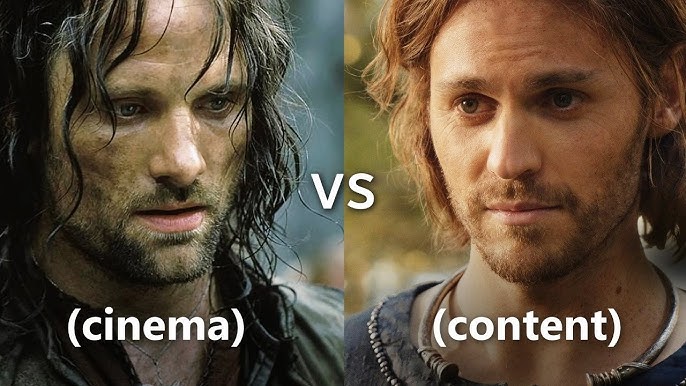
How the “Marvelization” of Cinema Accelerates the Decline of Filmmaking in Film | November 28th, 2025 40 Comments Bluesky Facebook Threads Mastodon Reddit Message Email Share As hard as it…
Sources
- How the "Marvelization" of Cinema Accelerates the Decline of Filmmaking
- How the "Marvelization" of Cinema Accelerates the Decline …
- How the Marvel Cinematic Universe Swallowed Hollywood
- How the “Marvelization” of Cinema Accelerates the Decline …
Related posts
- Quick ways to password-protect image files on a Mac
- Zpdf: Zig PDF text extraction library — up to 5x faster than MuPDF
- Infant screen exposure linked to slower decisions, higher teen anxiety