
TL;DR
In late 1994 Pixar was close to collapse—no profits, a restrictive Disney deal, and payroll covered by Steve Jobs. A group of smaller Silicon Valley investment banks backed an IPO around the release of Toy Story in 1995, a gamble that paid off and helped remake Pixar's future.
What happened
When Lawrence Levy joined Pixar in late 1994 he found a company with cutting-edge rendering software but no steady business, mounting losses, and a contract with Disney that he described as crippling. Major Wall Street underwriters declined to back an IPO, so Levy and Steve Jobs turned to local technology banks: Robertson Stephens, Hambrecht & Quist, and Cowen. Those firms decided to underwrite the offering while Pixar completed its first feature, Toy Story—a technically ambitious project constrained to indoor scenes and a tight schedule before a Thanksgiving release. Jobs led an intensive three-week road show that included family screenings of the film for prospective investors. Toy Story opened Thanksgiving week 1995 and performed strongly; the company went public about a week later. Shares closed well above the offering price, boosting Jobs’s stake and giving Pixar the runway to renegotiate its Disney contract and, years later, to be sold to Disney.
Why it matters
- The Pixar IPO is a case study in how smaller, specialized underwriters can take risks larger firms pass on.
- Toy Story’s box office performance directly influenced investor confidence and the timing of the offering.
- The episode illustrates how creative and financial risks intersect in turning a technology-driven studio into a mainstream entertainment company.
- Decisions made during this period enabled Pixar to renegotiate distribution terms and set the stage for its later sale.
Key facts
- Lawrence Levy joined Pixar in late 1994 and found the company without profits and with significant retained losses.
- Steve Jobs was personally covering payroll for Pixar at that time.
- Major banks Morgan Stanley and Goldman Sachs declined to underwrite the IPO.
- Robertson Stephens, Hambrecht & Quist (H&Q), and Cowen participated in underwriting the Pixar IPO.
- Toy Story opened the night before Thanksgiving, November 29, 1995.
- The film earned $29 million in its opening weekend and became the #1 film in the U.S. upon release.
- Pixar’s IPO shares were offered at $22 and closed at $39 on the first trading day, a 78% increase.
- Steve Jobs owned about 80% of Pixar at the time of the IPO and his stake exceeded $1 billion in value after the pop.
- Pixar’s stock fell to $12 three weeks after the IPO, according to the account.
- Twelve years after Levy arrived, Pixar was sold to Disney for $7.6 billion, per the source.
What to watch next
- Watch the full CHM Live conversation titled 'To Infinity and Beyond | CHM Live, November 20, 2025' for the complete oral history and firsthand accounts.
- The book being co-written by Paul Noglows and JP Mark, which will cover Hambrecht & Quist and Robertson Stephens’ roles, for a deeper historical narrative (project reported as in progress in the source).
- How underwriting decisions like these inform current IPO practices and smaller banks’ willingness to back unconventional technology-media ventures: not confirmed in the source.
Quick glossary
- IPO (Initial Public Offering): The first sale of stock by a private company to the public, used to raise capital and create public market liquidity for shareholders.
- Underwriter: An investment bank or group of banks that evaluates, prices, and helps sell a company’s shares during an IPO.
- Road show: A series of presentations given by company executives and underwriters to potential investors ahead of an IPO to generate interest and explain the business.
- RenderMan: A rendering software developed for producing high-quality computer graphics; in this context, a core Pixar technology used for its films.
Reader FAQ
Why was Pixar close to failing in 1994?
According to accounts from that period, Pixar had no steady business or profits, a restrictive contract with Disney, and was incurring losses that Steve Jobs helped cover.
Which banks underwrote Pixar’s IPO?
Robertson Stephens, Hambrecht & Quist, and Cowen were the investment banks behind the Pixar IPO as reported in the source.
Did Toy Story’s performance affect the IPO?
Yes. Toy Story’s strong opening and box office reception in late November 1995 were central to investor interest and the timing of the offering.
How much did Pixar sell for to Disney?
The source reports that Pixar was sold to Disney for $7.6 billion.
Did Steve Jobs benefit financially from the IPO?
The source states Jobs held roughly 80% of Pixar and that stake was worth over $1 billion after the IPO’s initial close.
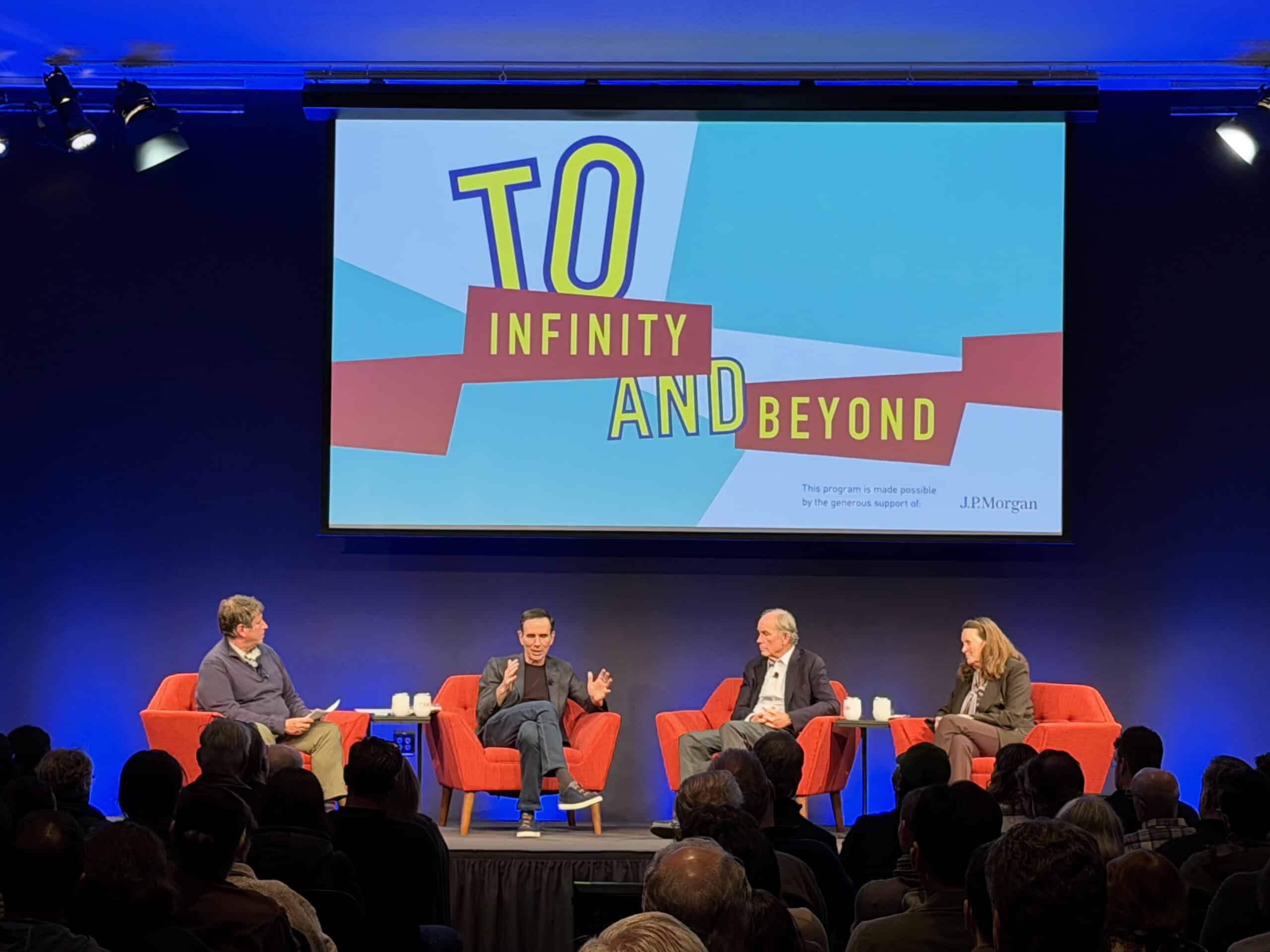
In a world where we’ve gotten more cynical about technology there’s something pure about Pixar that people trust, says former CFO Lawrence Levy. With 29 films over 30 years, the…
Sources
Related posts
- College Dropout Status Is the Hottest Credential for Startup Founders
- Warren Buffett Steps Down as Berkshire Hathaway CEO After 60 Years
- Stewart Cheifet, creator of Computer Chronicles, dies at 87 in Philadelphia