
TL;DR
WIRED’s guide treats protein bars as convenient snacks, not meal replacements, and recommends checking labels for serving size, calories, protein source, and fiber. Editors and a dietitian highlight whole-food bases, modest added sugar, and caution about sugar alcohols and highly processed fats.
What happened
WIRED published a buyer’s guide to protein bars that synthesizes expert guidance and product testing to help readers pick better on-the-go snacks. The story emphasizes that protein bars are most useful when whole foods aren’t available, and that registered dietitians favor bars with protein from milk, soy, peas, or nuts and with fiber from whole-food ingredients like oats, nuts, or seeds. Recommended nutrition benchmarks include roughly 200 calories for a snack, 10–20 grams of protein per bar, and about 5 grams of fiber. The piece flags red flags such as long, highly processed ingredient lists, excess added sugars, hydrogenated fats, and artificial sweeteners. It also notes that sugar alcohols (erythritol, maltitol, sorbitol) can cause bloating or GI discomfort for some people. WIRED names favorites including RxBar (best overall), David (highest protein), and Perfect Bar (best gluten-free), and signals upcoming tests of other brands.
Why it matters
- Protein bars can fill gaps when a meal isn’t available but typically don’t replace the nutrient range of whole foods.
- Label details (serving size, calories, added sugars, protein and fiber content) determine whether a bar fits your goals.
- Some sugar substitutes common in bars can cause digestive issues in sensitive individuals.
- Short, recognizable ingredient lists and whole-food bases generally indicate a less-processed option.
Key facts
- Recommended snack calorie range is about 200 calories; bars intended as meal replacements may be closer to 350 calories.
- Registered dietitians cited a target of roughly 10–20 grams of protein per bar.
- About 5 grams of fiber per bar is a useful benchmark; fiber sources from whole foods are preferred.
- Added sugar around 5 grams or less is a reasonable informal cutoff; syrups and concentrates often signal added sugars.
- Sugar alcohols (erythritol, maltitol, sorbitol) reduce caloric impact but can cause bloating, gas, or GI discomfort for some people.
- WIRED’s picks: RxBar (Classic 12G) — 200 calories, 12 g protein, 5 g fiber, 0 g added sugar; David (Peanut Butter Chocolate Chunk) — 150 calories, 28 g protein, 1 g fiber, 0 g added sugar; Perfect Bar (variety) — 340 calories, 17 g protein, 3 g fiber, 19 g added sugars.
- RxBar base ingredients include egg whites, dates, and nuts; its Nut Butter & Oat variety substitutes rolled oats for dates.
- Perfect Bar requires refrigeration, which authors noted affects convenience and storage.
What to watch next
- WIRED plans to test Aloha’s Plant-Based Protein Bars and Barebells Protein Bars in upcoming reviews.
- not confirmed in the source: whether major brands will reformulate to cut added sugars without increasing use of sugar alcohols.
Quick glossary
- Protein bar: A convenience snack designed to provide a concentrated source of protein, often used between meals or after workouts.
- Added sugars: Sugars and syrups added to a product during processing or preparation, distinct from naturally occurring sugars in whole foods.
- Sugar alcohols: Low-calorie sweeteners (e.g., erythritol, maltitol, sorbitol) that can reduce blood glucose impact but may cause digestive upset in some people.
- Fiber: A type of carbohydrate from plants that aids digestion, helps stabilize blood sugar, and increases satiety.
- Whole foods: Minimally processed foods such as nuts, seeds, oats, fruits, vegetables, and unprocessed proteins that provide a range of nutrients.
Reader FAQ
Are protein bars a good meal replacement?
No — the source recommends using protein bars as snacks or short-term post-workout fixes rather than full meal replacements.
How much protein should I look for in a bar?
WIRED cites dietitians who suggest around 10–20 grams of protein per bar as a reasonable target.
When is the best time to eat a protein bar?
Between meals to bridge gaps or after workouts when a full meal isn’t available; specifics depend on individual needs.
Are gluten-free bars healthier than regular bars?
not confirmed in the source
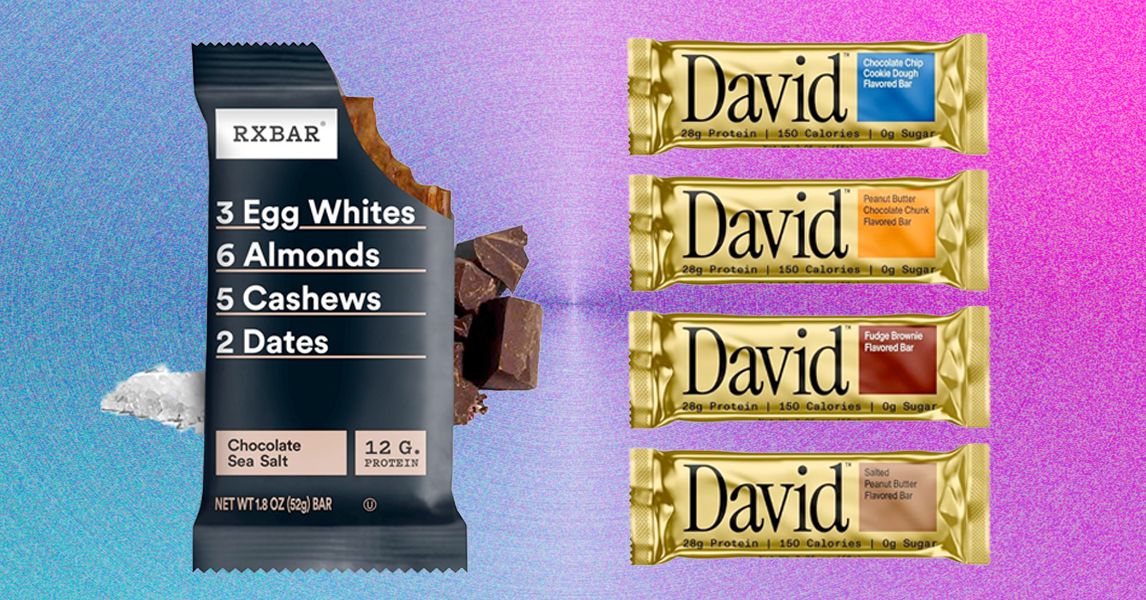
BOUTAYNA CHOKRANE GEAR JAN 4, 2026 6:30 AM Protein Bars That Help You Reach Your Nutrition Goals What to prioritize, what to skip, when to enjoy—plus, we’ve selected WIRED’s favorite…
Sources
- Protein Bars: Gluten-Free, Whole Foods, Fiber (2026)
- Gluten-Free Protein Bars: Here's the Lowdown
- How to Choose the Best Protein Bar, According to Dietitians
- How-To Choose a Gluten-Free Protein Bar
Related posts
- Curate Your Public Reddit Profile: Make It Presentable and Privacy-Smart
- Is Wayland Ready in 2026? A Practical Test with Sway and Nvidia 8K
- Why PGP Still Fails: Decades of Design Flaws, Compatibility and UX