
TL;DR
Top Chinese phones can offer advanced hardware and novel features, but importing brings practical downsides: compatibility, software, warranty, customs and potential extra costs. Buyers should confirm network bands, OS limitations, update policies and seller reputation before ordering.
What happened
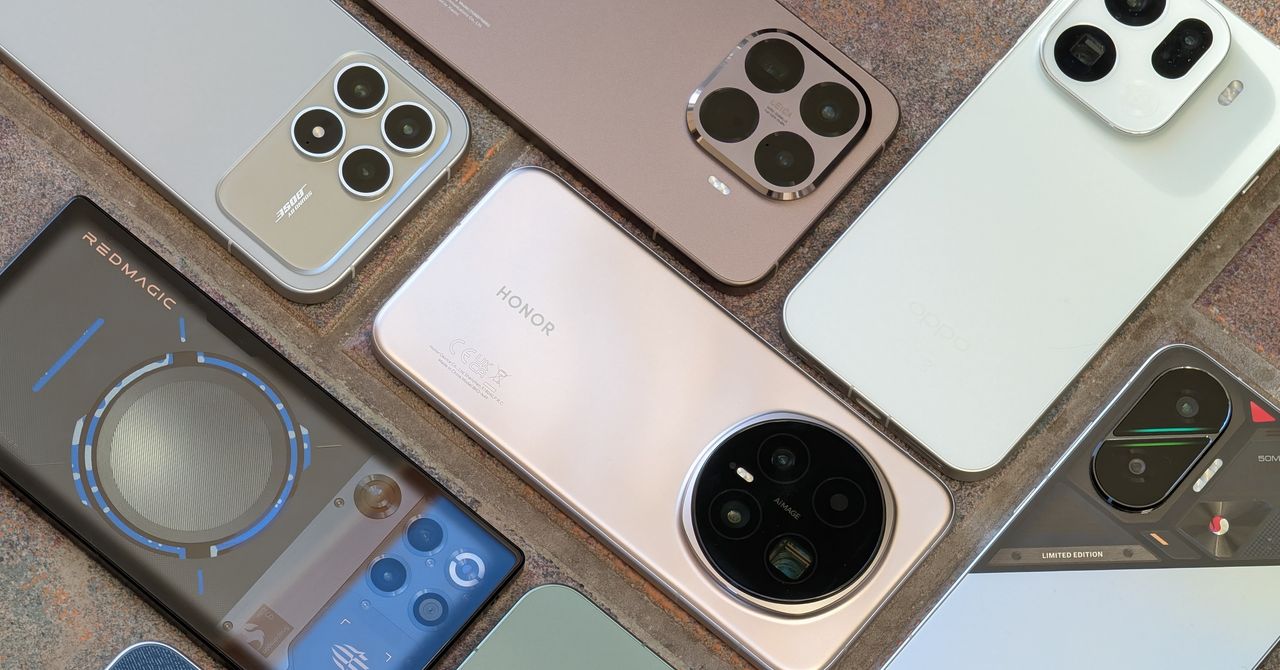
Chinese handset makers continue to produce technologically competitive phones, some of which never reach official US retail. That has tempted buyers to import devices to get cutting-edge cameras, AI features and high-end components at lower sticker prices. However, imports often introduce friction: China-only models may default to Chinese-language interfaces, come with local apps, and lack Google services or full support for US apps. Network compatibility is inconsistent — missing LTE or 5G bands can leave a phone on slower networks or unusable on certain carriers. Imported units also carry warranty and support complications (a one-year warranty is typical in China) and may attract customs duties or administrative fees. Software quality varies from polished OEM skins to poor translations, and some ecosystems (notably Huawei’s HarmonyOS) diverge from Android app compatibility. Buyers are advised to verify bands, update commitments, seller reputation and return pathways before importing.
Why it matters
- A phone that looks great on paper can perform poorly if it lacks the cellular bands your carrier uses.
- Software and service incompatibilities can disable important apps such as banking, Android Auto or other secure services.
- Customs, duties and added administrative charges can erase any price advantage from importing.
- Limited or hard-to-enforce warranties increase the cost and risk of repairs or replacements.
Key facts
- Some models are released only in China; others are offered as global versions with broader language and service support.
- China-only phones often ship with Chinese-language menus and preinstalled local apps; some interface elements may remain untranslated.
- Global versions are likelier to include Google services and a wider selection of network bands, but they still may not support all US carrier frequencies.
- Missing LTE/5G bands can cause patchy coverage or fallback to older networks; always cross-check a phone’s supported bands with your carrier.
- Customs fees depend on declared value, paperwork and random inspections; tariffs on smartphones have been treated differently and duty may still apply.
- Shippers sometimes cover customs upfront and bill buyers later with added 'administrative' or 'disbursement' fees.
- Chinese OEM operating systems are mostly Android-based, but Huawei’s HarmonyOS no longer runs Android apps and uses an independent app ecosystem.
- Bloatware is common on many imports; while most preinstalled apps can be removed, some cannot, especially on China-specific builds.
- There’s no definitive public evidence that mainstream Chinese phones are inherently loaded with spyware; buying used or off-brand devices carries higher risk of tampering or malware.
- Recommended purchase paths include buying from manufacturer sites or reputable resellers; Wonda Mobile and Giztop are cited as popular options, and some models appear on Amazon. Exercise caution on marketplaces like AliExpress or eBay and check seller reviews.
What to watch next
- Whether a chosen model receives an official global release with Google services and additional bands.
- Changes in US import tariffs, bans or regulations that could affect availability or duties: not confirmed in the source.
- Manufacturer commitments to Android version and security updates for specific models; these timelines can vary and may be delayed.
Quick glossary
- Global model: A version of a phone intended for sale outside China; typically includes wider language support, Google services and more network band compatibility.
- Supported bands: The radio frequencies a phone can use for cellular connections; mismatches with carrier bands can cause poor or no service.
- HarmonyOS: Huawei’s operating system that has evolved away from Android app compatibility and uses its own app ecosystem.
- Bloatware: Preinstalled apps and services on a device that users may not want; some can be removed, others may be permanent.
- Customs duty: A tax or fee levied by a country on imported goods; actual charges vary by declared value, paperwork and inspections.
Reader FAQ
Is it safe to import a Chinese smartphone?
There’s no clear evidence that mainstream Chinese brands are systematically compromised, but importing adds risks: network incompatibility, warranty limits, potential customs fees and software differences. Buying from reputable sellers reduces some risk.
Will a China-only phone run Google apps and US services?
Not reliably. China-only builds often lack Google services and may prevent or break certain apps (Android Auto, some banking apps and other secure services).
How do I know if the phone will work with my carrier?
Compare the phone’s listed supported bands with your carrier’s band list, and confirm with the manufacturer or carrier if unsure.
Are imported phones covered by warranty in the US?
Usually warranties are limited to the country of sale; a one-year warranty is common in China and making a claim from abroad can be difficult.
SIMON HILL GEAR JAN 13, 2026 5:00 AM Should You Import a Chinese Phone? The top Chinese smartphones are innovation-packed spec beasts, but it’s not always a good idea to…
Sources
Related posts
- How Communities Can Respond When ICE Operations Arrive Nearby
- Hoka coupon codes and membership perks — 10% off, free shipping, up to 30% off
- Text-Based Web Browsers: How They Handle Recent HTML Additions