
TL;DR
WIRED reporter Kat Merck compiled winter bird-feeding guidance from ornithologists to help backyard watchers attract a wider range of birds. Recommendations include diversifying feed types, providing shelter and unfrozen water, and keeping feeders clean and well-sited.
What happened
In a Jan. 6, 2026 WIRED piece, Kat Merck summarized advice from ornithologists on maximizing backyard bird activity during winter. The article emphasizes that while many migratory species leave, numerous seed- and insect-eating birds remain and can be easier to observe with leaves gone from trees. Experts urged offering multiple feed types—suet, mealworms, sunflower seeds, peanuts and tube seeds—and using different feeder styles such as platform trays, suet cages and seed tubes. Practical measures to deter rodents and protect equipment are detailed, including the 5-7-9 siting guideline for feeders and mixing suet with hot pepper to discourage squirrels. The story also highlights sanitation practices for winter feeding: cleaning feeders every two weeks to a month, using a 10 percent bleach solution, and taking care to keep cameras and electrical housings dry. Finally, the piece recommends supplying liquid water—ideally a heated shallow bath with perches and heat-absorbing dark rocks—where freezing is an issue.
Why it matters
- Winter visibility improves bird-watching because bare branches make birds easier to spot.
- Offering varied, high-energy foods helps birds meet increased metabolic demands in cold weather.
- Proper siting, shelter and water support bird safety and encourage repeat visits.
- Regular cleaning reduces spoilage and disease risk during wetter, colder months.
Key facts
- Diversify feed: suet, mealworms, black-oil sunflower seed, unsalted peanuts and standard seed mixes were recommended to attract more species.
- Suet is useful in winter and can be served as cakes or balls; adding hot pepper can deter squirrels.
- Different feeder styles appeal to different birds—platform feeders, seed tubes and suet cages each draw varying species.
- Siting guideline to reduce squirrel access: 5 feet off the ground, 7 feet from structures that can be jumped from, and 9 feet from overhangs.
- Feeder food typically comprises less than 15 percent of most birds' daily diets, so maintain natural shrubs, trees and plants for foraging.
- Clean feeders every two weeks to a month in winter; disinfect with a 10 percent bleach solution, let sit 10 minutes, then rinse and fully dry before refilling.
- If using a smart feeder, remove the camera before washing and avoid getting the camera housing wet to prevent damage.
- Nyjer seed is prone to molding quickly in wet winter conditions and may be a poor choice where precipitation or humidity is high.
- Provide water when local sources freeze—consider a heated shallow bird bath with perching spots and dark rocks to absorb sunlight and slow icing.
- Winter feeding activity often increases as birds concentrate on self-maintenance rather than breeding.
What to watch next
- Mold and mildew in feeders and seed socks during wet winter weather; clean more frequently if conditions are damp.
- Frozen water sources — consider a heated or sun-warmed shallow bath and include perches for birds to avoid standing in cold water.
- Smart-feeder hardware risks: remove cameras before washing and avoid exposing camera housings to water.
- not confirmed in the source
Quick glossary
- Suet: Rendered animal fat formed into cakes or balls that provides a high-energy food source attractive to insect-eating birds in cold weather.
- Nyjer: Tiny oil-rich seeds commonly offered to finches; they can retain moisture and are prone to molding in wet conditions.
- Smart bird feeder: A feeder equipped with electronics such as cameras or sensors that can track visits and help users monitor which foods attract birds.
- Platform feeder: An open tray-style feeder that accommodates various food types, including mealworms and shelled nuts, and attracts ground- and perch-feeding species.
Reader FAQ
How often should I clean feeders in winter?
Ornithologists cited cleaning every two weeks to a month during winter; use a 10 percent bleach solution, let it sit 10 minutes, then rinse and dry before refilling.
Which foods are most useful in cold weather?
High-fat and high-protein items—suet, mealworms, black-oil sunflower seed and unsalted peanuts—were recommended for winter energy needs.
Can I use nyjer seed in winter?
Nyjer can mold quickly in rainy or humid winter conditions, so it may not be suitable where moisture accumulates.
When does winter end for planning seasonal transitions?
The source noted March 20, 2026 as the official end of winter in the northern hemisphere.
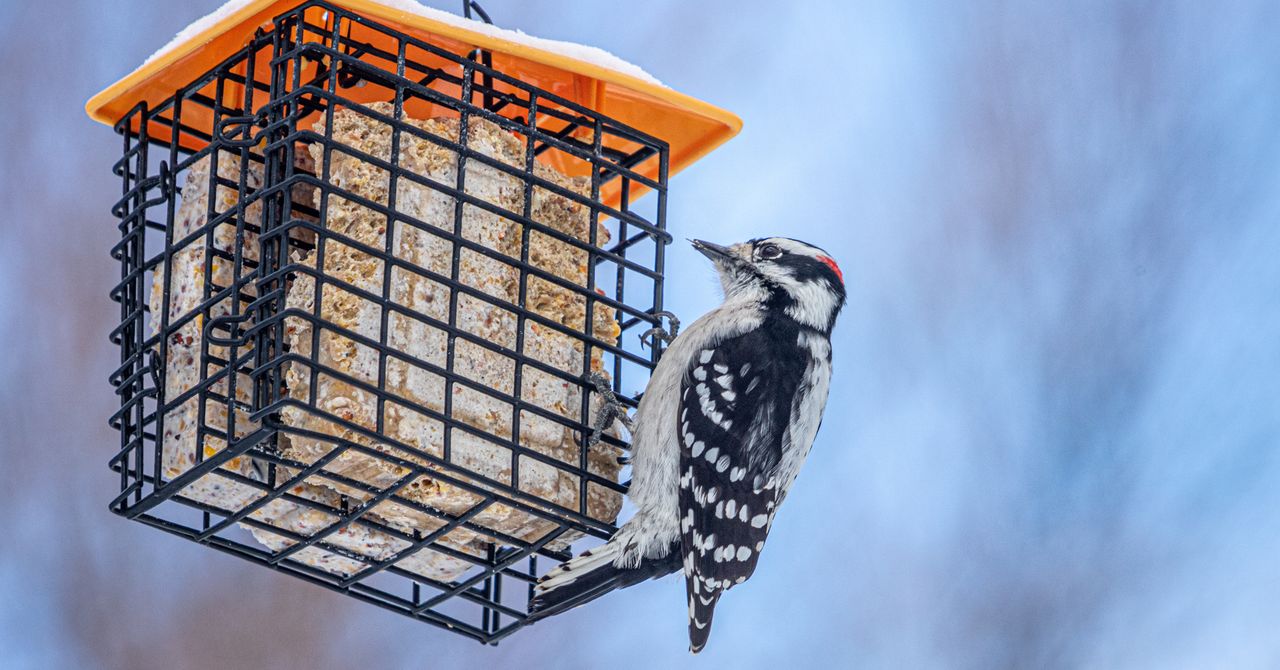
KAT MERCK GEAR JAN 6, 2026 7:07 AM Our Best Tips for Winter Bird Feeding Winter is often the best time for bird-watching at bird feeders—here’s what ornithologists recommend to…
Sources
- Winter Bird Feeding Tips for the Peak of Bird Watching Season (2026)
- 11 Tips for Feeding Backyard Birds
- How to Attract Birds in Winter and Spot More Species
- 19 Tips for Feeding Wild Birds in Winter
Related posts
- New web tool aims to simplify Unix epoch conversions — is it the best?
- Benchmarks show JavaScript for-of loops can match classic for speed
- No, Microsoft did not rename Office to Microsoft 365 Copilot — here’s why