
TL;DR
Annual flu vaccination plus simple hygiene practices are the most reliable ways to reduce your risk of seasonal respiratory illnesses and limit their spread. Layering measures—vaccination, staying home when ill, handwashing, masking and targeted cleaning—offers the best protection, while air purifiers are a supplemental measure with limited evidence for preventing infections.
What happened
Public-health guidance and infectious-disease experts emphasize a layered approach to preventing colds, flu, Covid and RSV during the October-to-April season. Authorities including the CDC and clinicians at the Cleveland Clinic recommend annual flu vaccination as the primary defense; the ideal window for vaccination is September or October, though getting a shot later is still beneficial. The shot cannot cause influenza, and it takes up to two weeks to reach full protective effect. Real-world vaccine effectiveness varies by season; for 2024–2025, vaccines reduced medically attended flu illness by about 56 percent. Routine measures such as frequent handwashing, avoiding close contact with sick people, coughing into an elbow, staying home when ill, and cleaning commonly touched surfaces are advised to lower transmission. Experts say air purifiers improve indoor air quality but lack clear evidence of preventing respiratory infections in real-world settings, so they should supplement—not replace—vaccination and other measures.
Why it matters
- Vaccination significantly lowers the chance of severe flu and related complications for individuals.
- Reducing transmission through behavioral measures protects people who are more vulnerable in the community.
- Layering multiple interventions compensates for the fact that no single measure provides perfect protection.
- Simple actions like staying home when sick and cleaning high-touch surfaces can slow community spread.
Key facts
- The CDC calls annual flu vaccination the single best way to reduce seasonal flu risk and severe complications.
- Best time to get the annual flu vaccine is September or October; getting vaccinated later in the season still helps.
- Flu season typically runs October through April in North America, with peak activity often in January and February.
- Flu vaccines cannot give you the flu; injectable shots use inactivated virus or viral protein, and nasal spray contains weakened live virus.
- It can take up to two weeks after vaccination for full protection to develop.
- In the 2024–2025 season, flu vaccines were estimated to be about 56% effective at preventing medically attended illness.
- Basic hygiene measures—handwashing, avoiding touching your face and staying away from sick people—reduce risk of infection.
- Coughing into your elbow and cleaning frequently touched items (phones, remotes, doorknobs) help limit spread at home.
- Home air purifiers improve indoor air quality but lack clear, real-world evidence for preventing respiratory infections and should be used as a supplement.
What to watch next
- Local public-health reports for current flu and respiratory-virus activity during the October–April season.
- Availability of seasonal vaccines at clinics and pharmacies; new annual versions typically appear in September/October.
- Future scientific studies on whether air purifiers measurably reduce real-world transmission of respiratory infections (not confirmed in the source).
Quick glossary
- Vaccine effectiveness: A real-world measure that compares how often vaccinated and unvaccinated people experience specific health outcomes, such as symptomatic illness or hospitalization.
- Inactivated virus (flu shot): A vaccine form that uses virus particles that have been killed so they cannot cause infection but still trigger an immune response.
- Attenuated virus (nasal spray): A live virus that has been weakened so it does not cause illness but can provoke immunity; used in some nasal-spray flu vaccines for certain age groups.
- Layering: Combining multiple preventive measures—vaccination, masking, distancing, hygiene and ventilation—to reduce overall infection risk.
Reader FAQ
Can a flu shot give you the flu?
No. Injectable flu vaccines use inactivated virus or a viral protein and cannot cause flu; the nasal-spray vaccine contains weakened virus that does not cause illness.
When should I get the flu vaccine?
September or October is ideal, but getting vaccinated later in the season still provides protection.
How long after vaccination does protection start?
It can take up to two weeks for the vaccine to reach its full protective effect.
Do air purifiers prevent respiratory infections?
There are no clear findings that air purifiers reduce spread of respiratory infections in real-world conditions; they do improve indoor air quality and can be used as a supplement to other measures.
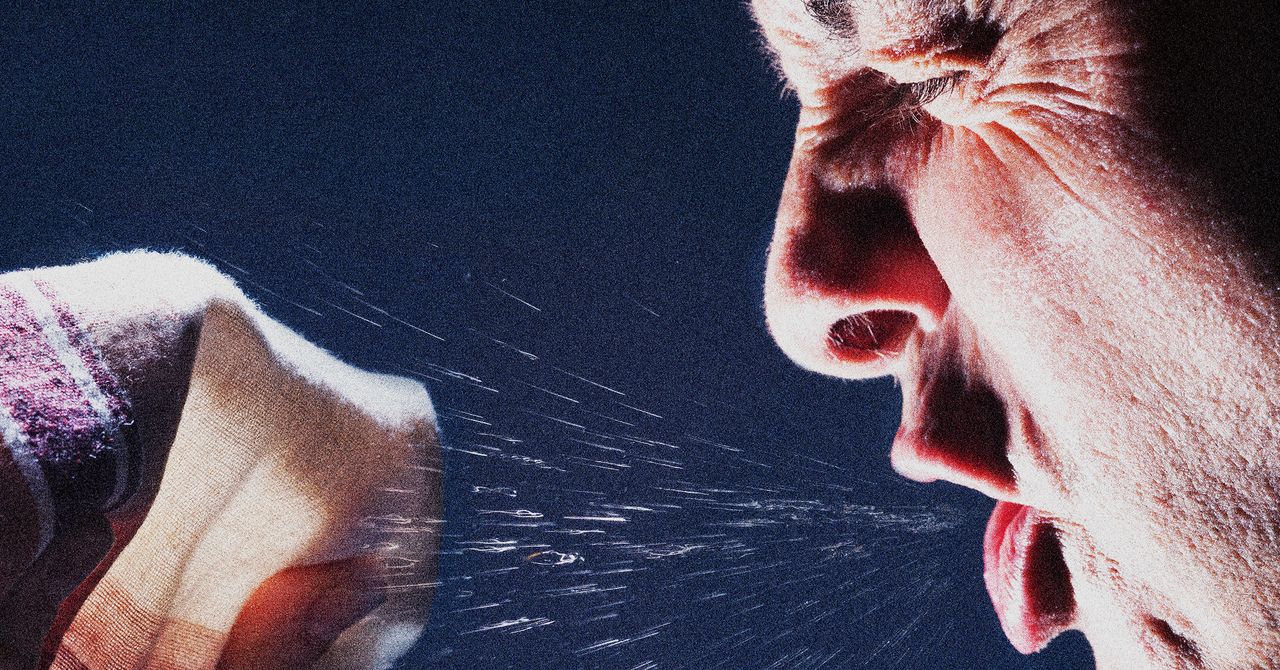
JILL DUFFY GEAR JAN 1, 2026 5:30 AM How to Make It Through Cold and Flu Season Reduce your chances of catching these respiratory illnesses, and make sure you don't…
Sources
- How to Make It Through Cold and Flu Season
- Healthy Habits to Prevent Flu | Influenza (Flu)
- 8 Ways to Stay Healthy This Flu Season | Patient Education
- 10 health tips for parents during cold and flu season
Related posts
- Testing Popular Functional Coffee Add-Ins: Protein, Mushrooms, and Creamer Science
- 10 Tech Cleanup Tasks to Tackle on New Year’s Day for Smoother Devices
- California’s Delete Act and DROP program: public comments and overview