
TL;DR
Undersea telegraph cables, first laid in the 19th century, established routes and materials shaped by British imperial power. Modern fibre-optic systems follow many of those paths and carry the vast majority of global internet traffic, while ownership, vulnerability and colonial-era legacies continue to shape who benefits and who is overlooked.
What happened
The physical networks that enable near-instant global communication began in the 1800s with electric telegraph cables connecting countries. Early international lines—such as the 1851 English Channel link and the successful 1866 transatlantic cable—used gutta‑percha, a waterproof natural plastic sourced from trees in what is now Peninsular Malaysia. Demand for that material grew to unsustainable levels by the late 19th century, prompting Britain to establish commercial plantations and use its imperial reach to secure manufacturing control. The routes and landing points chosen for those telegraph systems often mirrored colonial ties; many islands became strategic 'networked' hubs because they lay on cable paths and were under British or US authority. Today, roughly 97% of internet traffic travels on subsea copper and fibre‑optic cables stretching about 1.2 million km worldwide. Modern systems inherit the geographic and political patterns of their predecessors, while remaining exposed to physical damage, natural disasters and deliberate interference—a vulnerability highlighted by recent cable severings in the Baltic Sea.
Why it matters
- Undersea cables carry the bulk of global internet traffic, so their control affects communications, commerce and national security.
- Historical cable routes and colonial-era decisions continue to determine where modern infrastructure lands and who benefits.
- Resource extraction for early cables caused environmental strain and relied on local expertise that has been underacknowledged.
- Physical and intentional damage to cables can quickly disrupt regional connectivity, making resilience and geopolitics central concerns.
Key facts
- About 97% of the internet's data traffic moves via undersea cables.
- Global undersea fibre-optic cables total roughly 1.2 million km (750,000 miles), enough to circle Earth about 30 times.
- The first international telegraph cable crossed the English Channel in 1851; the transatlantic cable was completed in 1866.
- Gutta‑percha, a waterproof natural plastic from trees in Peninsular Malaysia, was the primary insulator for early cables until polythene emerged in the 1930s.
- By the 1890s the cable industry used around 4 million pounds of gutta‑percha annually, leading Britain to set up commercial plantations in Malaya.
- Islands such as Fiji were incorporated into imperial cable networks; Fiji's first cable was laid in 1902 and it later became a regional hub.
- Fiji now has six fibre‑optic cables connected, and Google has pledged to lay two additional cables in 2026 as part of the Pacific Connect initiative.
- Private organizations now own roughly 99% of subsea cables, with about 1% owned or partly owned by governments.
- Undersea cables are vulnerable to natural damage and intentional tampering; several cables in the Baltic Sea were severed in 2024.
What to watch next
- The deployment and completion of the two Google cables planned for 2026 to connect Pacific islands under the Pacific Connect initiative.
- How ownership concentration (about 99% private) shapes investment, maintenance and response to cable disruptions.
- not confirmed in the source
Quick glossary
- Undersea (subsea) cable: A physical cable laid on or beneath the ocean floor that carries telecommunications and data between land-based stations.
- Gutta‑percha: A natural, waterproof latex used historically to insulate early telegraph cables; sourced from trees in Southeast Asia.
- Fibre‑optic cable: A cable that transmits data as pulses of light through thin strands of glass or plastic, enabling high-bandwidth communications.
- Telegraph: An early electrical communication system that sent coded messages (such as Morse code) over wires by making and breaking electrical connections.
Reader FAQ
How much of the internet uses undersea cables?
About 97% of global internet traffic travels via undersea cables.
Where did the material gutta‑percha come from?
Gutta‑percha is a natural plastic from trees growing in what is now Peninsular Malaysia.
Who owns most subsea cables today?
Private organizations own roughly 99% of subsea cables, while around 1% are government‑owned or partly government‑owned.
What caused the 2024 Baltic Sea cable incidents?
not confirmed in the source
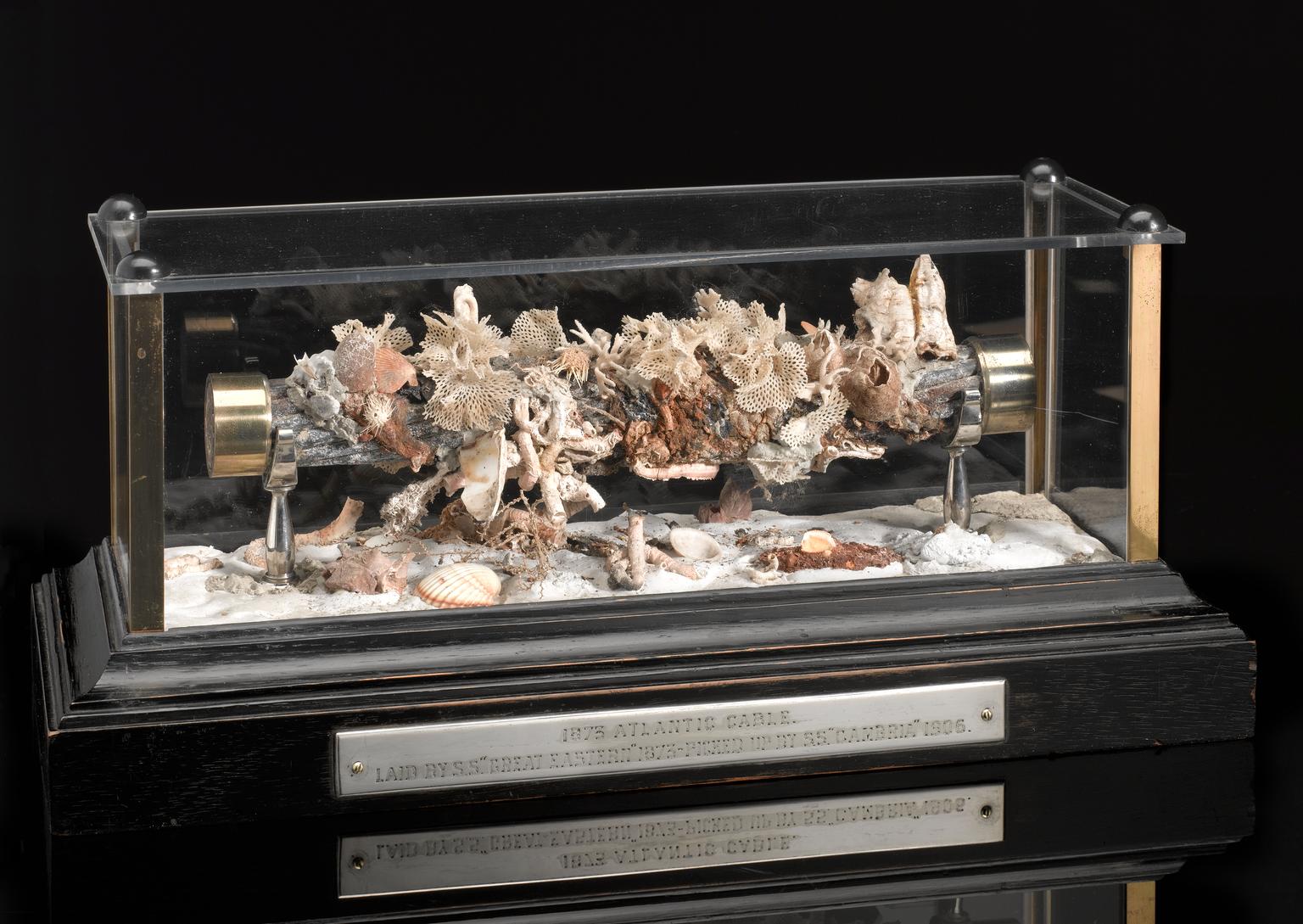
Former assistant curator trainee Jasmin Taylor explores how the history and unheard voices behind the undersea telegraph cable are replicated in modern communication technology. Wireless technology and data being stored…
Sources
- The Legacy of Undersea Cables
- The Secret Life of the 500+ Cables That Run the Internet
- How Undersea Fiber Cables Power the Global Internet
- Undersea cables and the vulnerability of American power
Related posts
- Singapore Study Ties High Infant Screen Exposure to Anxiety in Teens
- New Southern Indian Ocean search for MH370 seeks answers for families
- Approachable Swift Concurrency — A Practical Guide to Async/Await