
TL;DR
Japanese researchers have begun human testing of an experimental monoclonal antibody that blocked a tooth-growth inhibitor in animal studies. The 11-month trial started in September 2024; if successful, investigators hope a tooth-regrowing medicine could be available by around 2030.
What happened
Researchers in Japan have advanced a candidate drug aimed at regenerating human teeth into clinical testing. The experimental approach targets an inhibitor called USAG-1, which earlier animal work in mice and ferrets linked to suppressed tooth development. In 2021, scientists at Kyoto University identified a monoclonal antibody that disrupts the interaction between USAG-1 and bone morphogenetic proteins (BMPs), and subsequent animal results produced renewed interest. Human testing began in September 2024 with an 11-month study enrolling 30 men aged 30 to 64 who are missing at least one tooth; the treatment is given intravenously to evaluate safety and effectiveness. No adverse effects were reported in the prior animal studies, according to the reporting. The team plans later pediatric testing for children aged 2 to 7 missing multiple teeth, and the investigators have said they aim for broader availability of a tooth-regrowing medicine by about 2030 if trials prove successful.
Why it matters
- Could offer a biological alternative to prosthetic solutions for tooth loss rather than mechanical replacements.
- If proven safe and effective, the treatment might address congenital tooth deficiencies and potentially other forms of tooth loss.
- Represents translation of gene/protein-targeting research (monoclonal antibodies and BMP pathways) from animals into humans.
- Widespread availability would depend on clinical trial outcomes and subsequent regulatory review, making near-term impact uncertain.
Key facts
- Human trials of a tooth-regrowing drug began in September 2024.
- The current study runs 11 months and enrolls 30 male participants aged 30–64 who are missing at least one tooth.
- The therapeutic strategy targets USAG-1, an inhibitor of tooth growth identified in animal studies.
- In 2021 Kyoto University researchers discovered a monoclonal antibody that interferes with USAG-1 and BMP interactions.
- Animal experiments in mice and ferrets informed the move to human testing; ferrets were noted for dental patterns similar to humans.
- The drug in the trial is administered intravenously.
- No side effects were reported in the previously published animal studies, according to the reporting.
- Planned next steps include treating children aged 2–7 missing at least four teeth if initial trials go well.
- Researchers have suggested a target availability around 2030 contingent on trial success and further development.
- Current trials are focused on congenital tooth deficiency; expansion to other causes of tooth loss is an expressed goal.
What to watch next
- Publication of safety and efficacy results from the 11-month human trial (timing not specified in the source).
- Decisions to begin pediatric trials for children aged 2–7 missing multiple teeth, dependent on adult trial outcomes.
- Progress toward regulatory approval and the feasibility of making a tooth-regrowing medicine available by around 2030.
Quick glossary
- Edentulism: The condition of missing teeth; partial or complete absence of teeth in the mouth.
- Monoclonal antibody: A laboratory-produced molecule designed to bind to a specific protein target in the body, often used as a therapeutic agent.
- USAG-1: Short for uterine sensitization–associated gene-1; a protein reported in research to inhibit tooth growth in animal models.
- Bone morphogenetic protein (BMP): A group of signaling molecules involved in bone and tissue development that can influence growth processes.
- Diphyodont: A characteristic of species that develop two successive sets of teeth (deciduous and permanent), like humans and some mammals.
Reader FAQ
Can adults regrow teeth now using this treatment?
Human trials began in 2024 to test safety and effectiveness; a publicly available treatment is not confirmed in the source.
Were there side effects seen in preclinical testing?
The reporting states that no side effects were observed in the prior animal studies.
When could a tooth-regrowing medicine become available?
Researchers have said they hope a medicine could be available around 2030 if trials are successful.
Will the treatment work for anyone who has lost a tooth?
Current trials focus on congenital tooth deficiency; investigators have expressed the hope it could later be used more broadly, but wider use is not confirmed in the source.
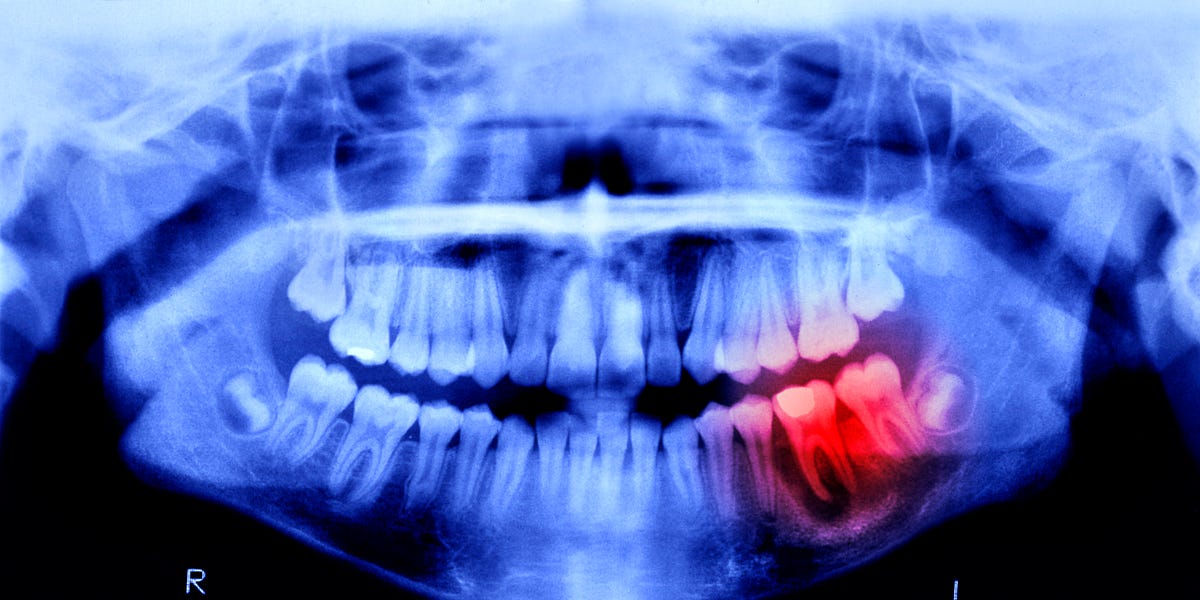
ScienceHealth Humans May Be Able to Grow New Teeth Within Just 4 Years Scientists are on the verge of a dental miracle. BY DARREN ORFPUBLISHED: DEC 29, 2025 9:50 AM…
Sources
- Humans May Be Able to Grow New Teeth Within Just 4 Years
- Japanese Scientists Begin Human Trials for Tooth …
- Researchers in Japan Discover Medicine Capable of …
- Regrowing Teeth May Be on the Horizon
Related posts
- How ‘Marvelization’ Is Accelerating the Decline of Filmmaking
- Quick ways to password-protect image files on a Mac
- Zpdf: Zig PDF text extraction library — up to 5x faster than MuPDF