
TL;DR
A Wired feature by Ryan Whitwam argues that the move to embedded SIMs has made switching phones less straightforward. The piece notes device makers are removing physical SIM slots to free internal space and points to Google’s Pixel 10 as a recent example of the shift.
What happened
In a first-person Wired piece, technology reporter Ryan Whitwam describes switching to an embedded SIM (eSIM) and expresses regret about the change. The article opens by noting that swapping between mobile phones used to be simple and asserts that eSIM technology has complicated that process. It frames traditional SIM cards as nearing obsolescence and says device makers are removing the physical SIM slot to save internal space for other components. The story highlights Google’s Pixel 10 series as a recent major phone family to adopt embedded SIMs. The piece appears on Wired with Whitwam credited as the author; his byline identifies him as a senior technology reporter with a long career in mobile coverage. Beyond those points, the excerpt focuses on the broader trend toward eSIMs rather than detailed how-to or troubleshooting guidance.
Why it matters
- Device makers are removing physical SIM slots to reclaim internal space for components, signaling a hardware design shift.
- The transition to embedded SIMs is framed as changing the user experience around switching phones.
- Major manufacturers adopting eSIM (for example, Google’s Pixel 10 series) indicates the trend may accelerate.
- If physical SIMs disappear, some long-standing workflows around carrier and device swaps could be affected.
Key facts
- The article is written by Ryan Whitwam and published on Wired on Jan. 5, 2026.
- The headline of the piece is a personal take: the author says he switched to eSIM and regrets it.
- The article states SIM cards are 'on the verge of extinction.'
- Device makers are reportedly removing SIM slots to save space for other components.
- Google’s Pixel 10 series is cited as a recent example of a phone family moving to embedded SIMs.
- The piece opens with the line: 'Switching between mobile phones used to be easy. Then came eSIM.'
- Whitwam’s byline notes he is a senior technology reporter with extensive mobile coverage experience.
What to watch next
- Whether additional major handset makers follow Google in eliminating physical SIM slots — not confirmed in the source
- How carriers and retailers adapt provisioning and in-store transfers for eSIM-first devices — not confirmed in the source
- Any regulatory or standards developments that address eSIM portability and consumer protections — not confirmed in the source
Quick glossary
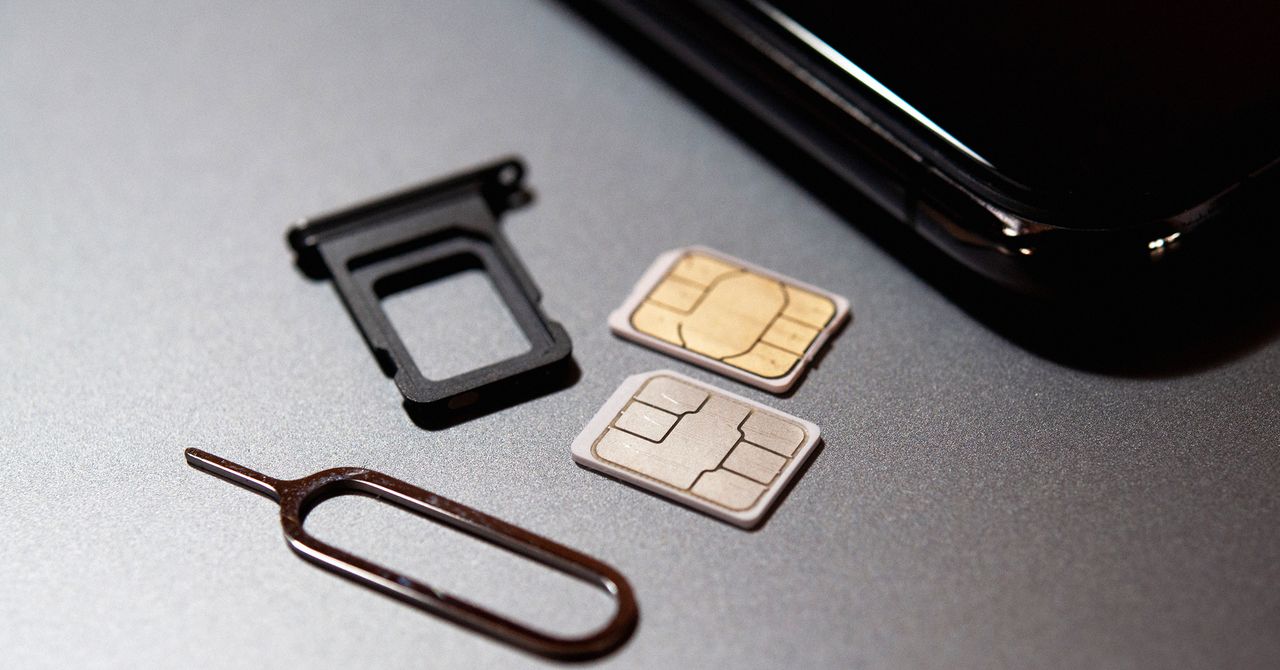
- SIM card: A removable plastic card that stores mobile subscriber credentials and lets a phone connect to a cellular network.
- eSIM (embedded SIM): A programmable SIM integrated into a device’s hardware that can be provisioned remotely with carrier credentials without a physical card.
- SIM slot: The physical tray or connector in a device that accepts a removable SIM card.
Reader FAQ
Why are manufacturers removing physical SIM slots?
According to the article, makers are dropping the SIM slot to save internal space for other components.
Did Google move the Pixel 10 series to eSIM?
The piece identifies Google’s Pixel 10 series as having moved to embedded SIMs.
Does switching phones become harder with eSIM?
The author asserts that switching between phones used to be easy and that eSIM has complicated that process.
Are physical SIM cards already gone?
The article says SIM cards are 'on the verge of extinction,' implying they are not fully gone yet.
RYAN WHITWAM, ARS TECHNICA GEAR JAN 5, 2026 5:30 AM I Switched to eSIM, and I Am Full of Regret Switching between mobile phones used to be easy. Then came…
Sources
- I Switched to eSIM, and I Am Full of Regret
- I switched to eSIM in 2025, and I am full of regret
- 'I Switched To eSIM in 2025, and I am Full of Regret'
Related posts
- Your smart TV is watching you — and no one seems to be stopping it
- Motorola reportedly readies a book-style Razr Fold to rival Galaxy Z Fold
- Vex robot companion acts as a roaming cameraman to film your pet