
TL;DR
After switching to an eSIM-only Pixel 10 for testing, the author encountered multiple transfer failures that left his phone number inaccessible. The incidents exposed friction in carrier verification flows—particularly reliance on SMS—and practical downsides compared with removable nanoSIMs.
What happened
The author moved from a removable nanoSIM to an embedded SIM while reviewing Google's Pixel 10 series, whose U.S. models are eSIM-only. Although eSIM capability has been part of the mobile ecosystem since 2016 and Android gained system-level support for downloading and transferring profiles, the author experienced two separate incidents in three months where his phone number became unavailable after eSIM transfers. In one case, being logged into his carrier's mobile app (T-Mobile) allowed authentication and a pushed eSIM profile to resolve the issue. In the other, lack of app access and the carrier's default SMS-based verification meant the author could not receive the code and had to visit a retail store to have an eSIM downloaded, turning a seconds-long nanoSIM swap into an hour-long in-person fix. The writer argues carriers’ SMS-based account controls and imperfect eSIM recovery pathways create real user risk.
Why it matters
- Embedded SIMs remove the physical fallback that made phone-number moves quick and reliable.
- Carrier account verification often depends on SMS, which becomes unusable when the phone lacks an active SIM profile.
- eSIM provisioning errors can disrupt access to phone numbers and services that use SMS for authentication.
- Device makers are removing SIM slots partly to reclaim internal space, but the practical trade-offs affect user recovery options.
Key facts
- eSIM is a programmable, soldered chip introduced to phones as a standard in 2016.
- Apple removed physical SIM slots starting with the iPhone 14; Google moved to eSIM-only U.S. Pixel 10 models in 2025.
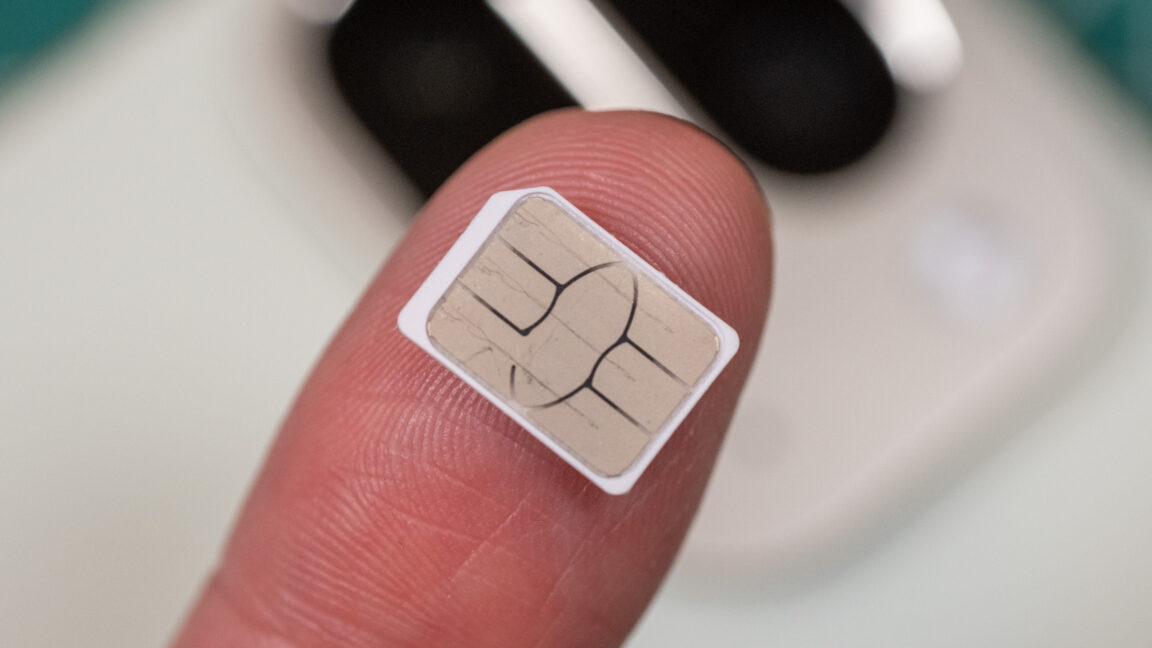
- A removable nanoSIM takes little physical space but remains a simple, low-failure method for moving numbers between devices.
- Android added system-level tools to download and transfer eSIM profiles prior to wider eSIM adoption.
- The author experienced two eSIM transfer failures in three months; one was resolved via the carrier app, the other required an in-store visit.
- Carriers typically verify account ownership by sending SMS codes, which are inaccessible if the device has no working SIM profile.
- Google Fi lets users download eSIMs via the Fi app authenticated through a Google account, which the author cites as a stronger consumer flow.
What to watch next
- Whether carriers change account-recovery and verification flows to rely less on SMS (not confirmed in the source).
- How other manufacturers handle SIM slots and whether more models follow Google and Apple in removing them.
- Improvements to Android eSIM transfer tools or carrier provisioning interfaces (not confirmed in the source).
Quick glossary
- nanoSIM: A very small, removable physical SIM card that stores subscriber identity and allows easy transfer of a phone number between devices.
- eSIM: An embedded SIM soldered to a device's circuit board that can be remotely provisioned with operator credentials without a removable card.
- provisioning: The process of configuring a device with the necessary credentials and settings to connect to a mobile network.
- SMS-based verification: A method where services send one-time codes via text message to confirm account ownership or authorize changes.
Reader FAQ
Did the author stop using phones because of eSIM?
Not confirmed in the source.
Are Pixel 10 models eSIM-only everywhere?
The source states U.S. Pixel 10 models are eSIM-only; international availability differs.
What solved the author's first eSIM problem?
Being logged into the carrier's mobile app allowed authentication and a new eSIM pushed to the phone.
Is carrier reliance on SMS for verification a problem?
The author argues it is problematic because SMS verification fails when a number is inaccessible after an eSIM transfer.
AAAAAND IT’S GONE I switched to eSIM in 2025, and I am full of regret Swapping SIM cards used to be easy, and then came eSIM. RYAN WHITWAM – DEC…
Sources
- Swapping SIM cards used to be easy, and then came eSIM
- I switched to eSIM in 2025, and I am full of regret
- 'I Switched To eSIM in 2025, and I am Full of Regret'
Related posts
- FBI Response to Fraud Allegations in Minnesota: Coverage and Context
- Why I Regret Switching to eSIM After Google’s Pixel 10 Push
- How to adjust what online platforms show you: tuning algorithms