
TL;DR
A persistent shortage of RAM used in phones and PCs remains a concern heading into 2026. WIRED reports that a small group of companies claim to have plans to address the shortage, though the article does not detail those plans or name participants.
What happened
WIRED published a report highlighting an ongoing shortfall in the supply of random-access memory (RAM) that the tech industry relies on to build phones and personal computers. The shortage was raised as a risk during the CES season—an important moment for vendors to showcase new hardware—because constrained memory supply could complicate product launches and sales throughout 2026. According to the piece, a limited number of companies have proposed or are developing measures intended to expand RAM availability, but the article does not spell out the technical details or identify those companies. The report frames the memory squeeze as a structural problem for device makers and suggests that resolving it will be important for the hardware market over the coming year. The story is by Luke Larsen and ran on January 8, 2026, in WIRED's Gear section.
Why it matters
- RAM shortages can limit manufacturers’ ability to produce new phones and PCs, affecting availability of consumer devices.
- Constrained memory supply can put upward pressure on component costs, which may feed into retail prices for laptops and phones.
- Limited access to memory modules may force OEMs to prioritize certain product lines or delay launches, altering competitive dynamics.
- Addressing the shortage requires coordinated investment or production changes across chipmakers and module suppliers, which can be slow to materialize.
Key facts
- WIRED reported on January 8, 2026, that a shortage of RAM needed for phones and PCs is persisting.
- The piece notes the shortage emerged as a concern amid CES, where vendors typically promote new products.
- The article states that a few companies have plans to tackle the memory shortfall but does not name them.
- Author Luke Larsen covers laptops, PCs, Macs, monitors, and peripherals for WIRED and wrote the story.
- WIRED published the article in its Gear section under topics including computers, CES, PCs, laptops, and chips.
- The report frames the RAM shortage as a potential obstacle to selling new hardware in 2026.
- No technical details of the proposed solutions or timelines for increased supply are provided in the article.
What to watch next
- Which specific companies will implement the proposed plans — not confirmed in the source.
- Whether any announced measures will materially increase RAM supply during 2026 — not confirmed in the source.
- Potential effects on consumer device pricing and product launch schedules if supply remains constrained — not confirmed in the source.
Quick glossary
- RAM (Random-Access Memory): A form of volatile memory used by computers and phones to store data temporarily while programs run; higher-capacity or faster RAM can improve performance.
- Supply shortage: A situation in which demand for a component or product exceeds the available supply, potentially leading to delays, increased prices, or product allocation.
- CES: An annual technology trade show where companies reveal new products and strategies; often used by the industry to set expectations for the coming year.
- OEM (Original Equipment Manufacturer): A company that produces devices (such as laptops or phones) that are sold under another company's brand or directly to consumers.
Reader FAQ
Who published the report and when?
The story was published by WIRED on January 8, 2026, and written by Luke Larsen.
Which companies have plans to solve the RAM shortage?
Not confirmed in the source.
What exactly is causing the RAM shortage?
Not confirmed in the source.
Will this shortage make device prices rise in 2026?
Not confirmed in the source.
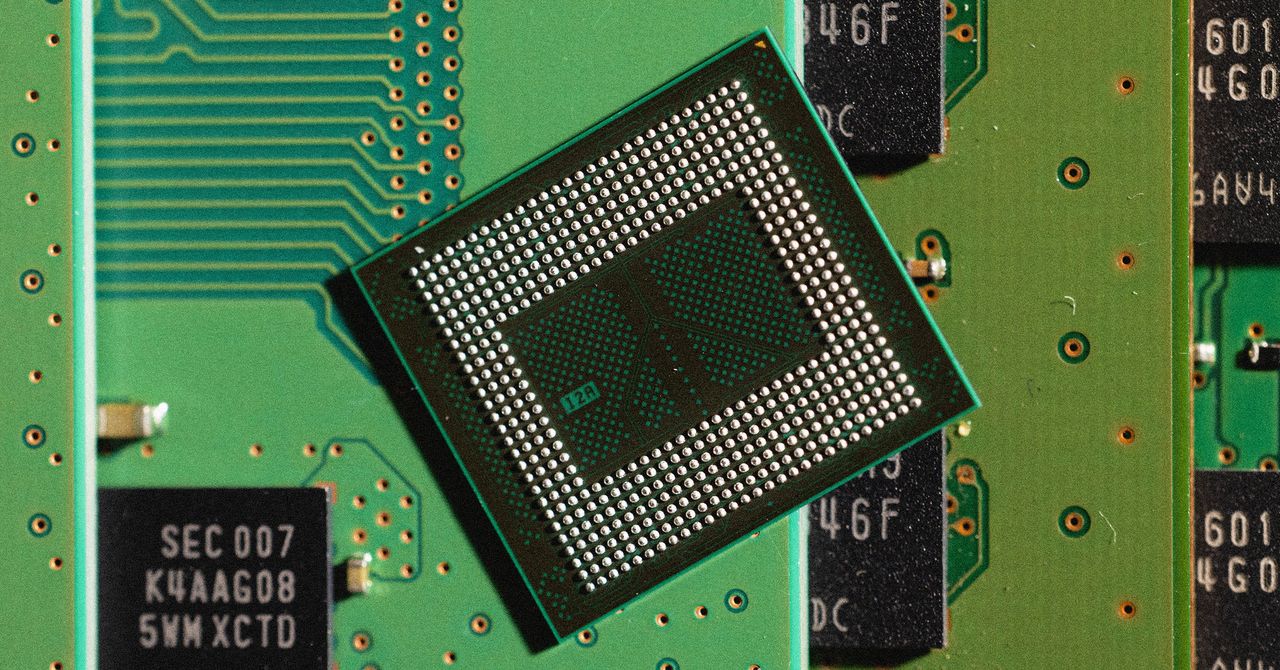
LUKE LARSEN GEAR JAN 8, 2026 6:30 AM The Daring Attempt to End the Memory Shortage Crisis The supply shortage of the RAM needed to build phones and PCs isn’t…
Sources
- The Daring Attempt to End the Memory Shortage Crisis
- The AI frenzy is driving a memory chip supply crisis
- Global Memory Shortage Crisis: Market Analysis and the …
- The Daring Attempt to End the Memory Shortage Crisis»
Related posts
- 2026: RGB LED TVs Bring Brighter, More Accurate Color to Mainstream
- Premium TV performance gap narrows as TCL and Hisense close in
- Tried ditching Google Maps — missing small features pulled me back