
TL;DR
A web-based Tooth Fairy Tracker led by character Kiki sends families a series of video updates when a child loses a tooth, building an evening-long experience without an app. The free site launched in October and its creator plans a 2026 paid, highly personalized version with added oral-care content and regional adaptations.
What happened
After creating a personalized tooth-fairy video for a relative, Oliver Finel built Tooth Fairy Tracker to bring a Santa-tracker–style experience to the tooth fairy tradition. Parents visit the site, enter an email when a child loses a tooth, and receive timed video notifications as Kiki the Tooth Fairy prepares, departs, and travels to collect the tooth. Updates across the evening include countdowns, vlog-style check-ins, flight-speed details and selfies, with a final morning message congratulating the child and signaling a gift under the pillow. The site, which requires no app or account, launched in October and is due for a redesign that will keep the core experience while adopting a more playful look. Finel plans a larger 2026 revamp adding deeper personalization (name, hobbies, photo), custom certificates, oral-care videos and a paid subscription option covering multiple visits.
Why it matters
- Adds an interactive, media-driven ritual aimed at engaging Generation Alpha on devices they already use.
- Frames a familiar childhood tradition as a daylong digital experience that can encourage brushing and bedtime routines.
- Illustrates a product strategy that pairs a free entry-level offering with a later paid, personalized tier.
- Signals potential cross-industry tie-ins — for example, pediatric dentists and localized cultural variants — that could broaden reach.
Key facts
- Founder: Oliver Finel created the Tooth Fairy Tracker after making a personalized video for his nephew.
- Central character: Kiki the Tooth Fairy is the service’s protagonist.
- How it works: Parents enter an email on the website when a child loses a tooth; the site sends a sequence of video updates.
- Content: Evening updates include countdowns, preparation footage, travel check-ins, flight-speed info and selfies; a final morning message congratulates the child.
- Launch and access: The tracker launched in October and is free to use with no app or account required.
- Near-term: The site will get a redesign to a more playful, immersive design while keeping the main experience.
- 2026 plans: A revamped, more personalized version will have Kiki say a child’s name, reference hobbies, include a photo and deliver custom certificates.
- Monetization: The enhanced 2026 experience will be offered via a subscription priced at $20 for six Kiki visits.
- International and partnerships: Finel plans to adapt the product for Latin America and Western Europe and hopes to partner with pediatric dentists.
- Merchandise roadmap: Long-term plans include branded toothbrushes and toothpaste tied to personalized videos.
What to watch next
- Timing and details of the site redesign rollout (timing not confirmed in the source).
- The planned 2026 personalized subscription: $20 for six visits and added oral-care content (confirmed in the source).
- When and how partnerships with pediatric dentists or international/localized versions will be implemented (not confirmed in the source).
Quick glossary
- Generation Alpha: The cohort of children born roughly from the early 2010s onward, growing up with pervasive digital technology and connected devices.
- Tracker: A digital tool or service that provides live or timed updates to users about the status of an event or character.
- Personalization (digital products): Tailoring content or experiences to an individual user, often using names, preferences or photos to increase relevance and engagement.
- Subscription model: A business approach in which users pay a recurring or one-time fee to access premium features or content over a defined period.
- Tooth Mouse: A folkloric alternative to the tooth fairy found in some countries, such as parts of Europe, where a mouse collects lost teeth.
Reader FAQ
How does Tooth Fairy Tracker work?
Parents enter an email on the website when a child loses a tooth; the site then delivers a sequence of timed video updates featuring Kiki the Tooth Fairy.
Is the service free?
The tracker is currently free to use; a paid, more personalized subscription is planned for 2026 priced at $20 for six visits.
Do kids need an app or account?
No app or account is required; the experience is hosted entirely on the website.
Will Kiki use my child’s name and photo?
Personalization such as speaking a child’s name, mentioning hobbies and including a photo is part of the 2026 revamp (confirmed in the source).
Are dentist partnerships already in place?
Finel hopes to partner with pediatric dentists to offer the experience in offices, but specific partnerships or timelines are not confirmed in the source.
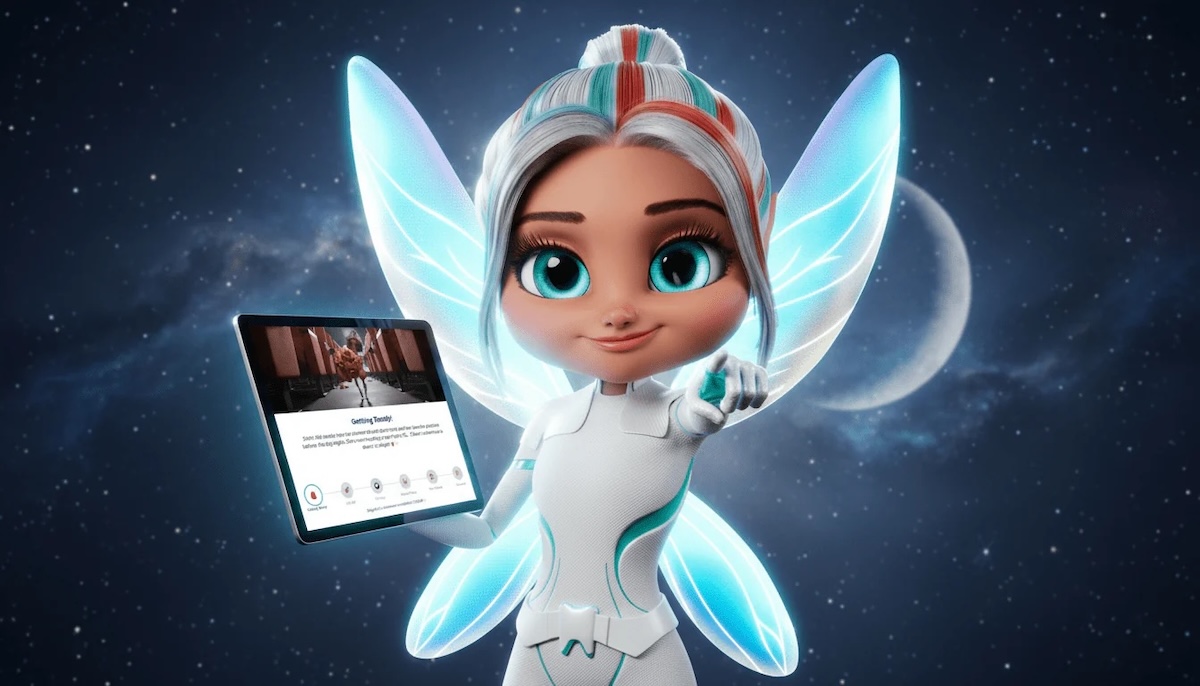
Move over, Santa. Now there’s another magical character for kids to track: the tooth fairy. After making a personalized tooth fairy video for his nephew, Oliver Finel noticed a gap….
Sources
- The tooth fairy just got reimagined for the tech-savvy generation
- Tooth Fairy Tracker & Fairy Videos | The Ultimate Tooth Fairy Gift
- The World's First Real-Time Tooth Fairy Tracker Launches …
- Kiki the Tooth Fairy Tracker
Related posts
- Anna’s Archive says it scraped 86 million Spotify tracks and posted metadata
- Uzbekistan’s Nationwide License-Plate Surveillance System Left Publicly Exposed
- Suspected DDoS Disrupts France’s Postal Services and La Banque Postale