
TL;DR
South Korean material supplier L&F announced a write-down that reduces a $2.9 billion cathode supply contract with Tesla to about $7,386, citing a change in supply quantity. The move highlights collapsing demand for Tesla's in‑house 4680 cells, the only application of which today is the Cybertruck, a model that has been selling well below its production capacity.
What happened
L&F Co., a South Korean battery materials firm, disclosed in a regulatory filing that the value of its multi‑year contract to supply high‑nickel cathode material to Tesla has been reduced from roughly $2.9 billion to $7,386. The company attributed the adjustment to a "change in supply quantity" but did not provide further detail. Industry observers and the reporting source link the cathode material to Tesla’s 4680 cell program, which to date is used only in the Cybertruck. Over the past year Tesla applied incentives and discounted financing to move Cybertruck inventory, and even offered 0% APR deals as stockpiles grew. Tesla’s Giga Texas has a reported annual Cybertruck production capacity of 250,000 units, while the truck’s current sales are running at an estimated 20,000–25,000 units per year. The combination of weak vehicle demand and the L&F write‑down has been interpreted as strong evidence that Tesla’s 4680 ramp is faltering.
Why it matters
- A near‑total write‑down from $2.9B to about $7,400 suggests the original supply relationship has effectively collapsed.
- If Tesla is not taking 4680 cells at scale, upstream suppliers of specialized cathode materials lose a principal customer.
- The development undercuts the 4680 program’s role in Tesla’s earlier cost‑reduction and volume ambitions.
- Weak Cybertruck demand and large production capacity shortfalls raise questions about future use of 4680 cells in Tesla vehicles.
- Suppliers and investors may reassess exposure to specialized battery chemistries tied to a single vehicle program.
Key facts
- L&F originally announced a contract to supply high‑nickel cathode materials to Tesla in early 2023.
- The contract’s reported value has been written down from about $2.9 billion to $7,386.
- L&F cited a "change in supply quantity" in its regulatory filing; no other cause was specified.
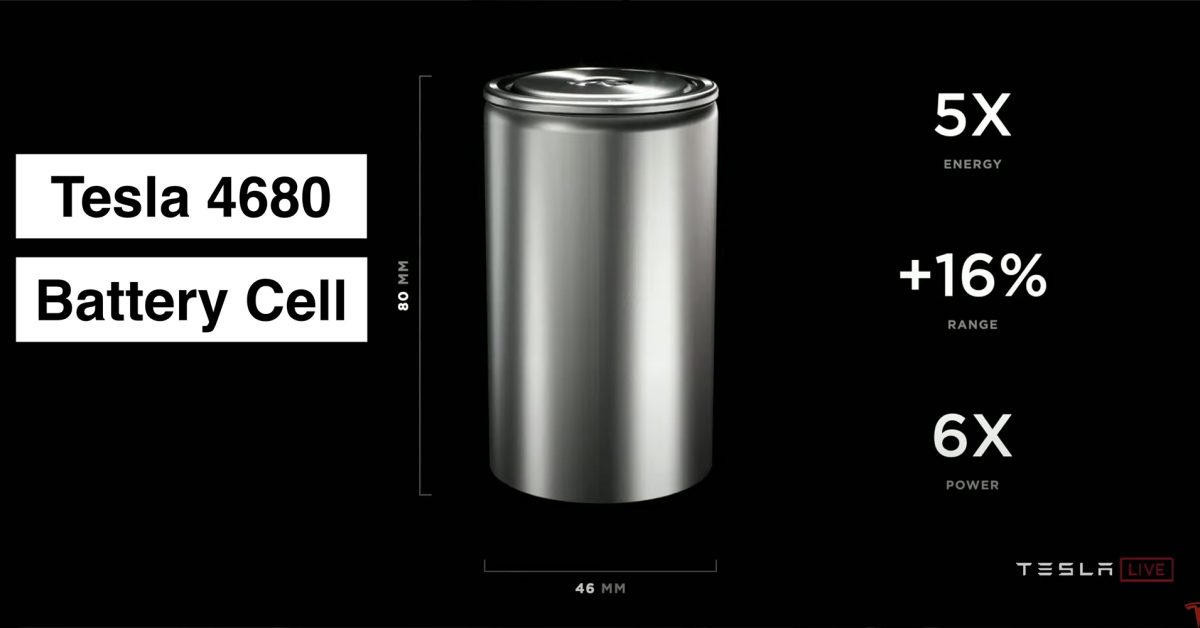
- Tesla’s proprietary 4680 cells are currently used only in the Cybertruck, per the reporting source.
- Giga Texas has a stated Cybertruck production capacity of 250,000 units per year.
- Reported Cybertruck sales are running at roughly 20,000–25,000 units annually.
- Tesla has used discounts and 0% APR incentives during the year to clear Cybertruck inventory.
- Tesla discontinued its cheapest Cybertruck variant in September amid weak demand.
- Reports referenced manufacturing difficulty scaling 4680 production, tied to the dry electrode process.
What to watch next
- Whether Tesla will formally wind down or scale back 4680 cell production — not confirmed in the source.
- L&F’s next steps to place or repurpose the high‑nickel cathode material — not confirmed in the source.
- Changes to Tesla’s battery sourcing strategy or increased use of third‑party cell formats — not confirmed in the source.
- Tesla’s stated plan for the ‘Cybercab’/ride‑hailing vehicle program and its timing (CEO has said early 2026 launch without a steering wheel, but level‑4 autonomy remains unresolved).
Quick glossary
- 4680 cell: A larger cylindrical lithium‑ion battery cell format Tesla introduced, intended to increase energy density and lower cost at pack level.
- Cathode material: The positive electrode component of a lithium‑ion cell that determines part of the cell’s capacity, voltage and chemistry.
- Write‑down: An accounting adjustment that reduces the reported value of an asset or contract when its recoverable value has fallen.
- Dry electrode process: A manufacturing method for battery electrodes that reduces solvent use but has presented scale‑up challenges in some implementations.
- Run rate: An extrapolation of current production or sales over a longer period, used to estimate annualized output.
Reader FAQ
Did L&F really cut a $2.9 billion contract down to about $7,400?
Yes. L&F disclosed that the contract value was reduced from roughly $2.9 billion to $7,386 in a regulatory filing.
Why did L&F make the write‑down?
L&F cited a "change in supply quantity"; the filing did not provide additional detail.
Are 4680 cells still being used in other Tesla models?
According to the reporting source, the Cybertruck is currently the only Tesla vehicle using 4680 cells.
Is Tesla cancelling the 4680 program?
Not confirmed in the source.
Is the Cybercab launch timeline confirmed?
The CEO has said the Cybercab could launch in early 2026 without a steering wheel, but the source notes Tesla has not solved level‑4 autonomy—further details are not confirmed in the source.
Tesla’s 4680 battery supply chain collapses as partner writes down deal by 99% Fred Lambert Dec 29 2025 TESLA Tesla’s 4680 battery supply chain collapses as partner writes down deal…
Sources
- Tesla's 4680 battery supply chain collapses as partner writes down deal by 99%
- L
- L | History, Etymology, & Pronunciation
- The Letter L – Made Easy
Related posts
- Report: Samsung SDI reportedly testing a dual-stack 20,000mAh phone battery
- Why I Regret Switching to eSIM After Google’s Pixel 10 Push
- After three months with the Apple Watch Ultra 3: Is it worth $799?