
TL;DR
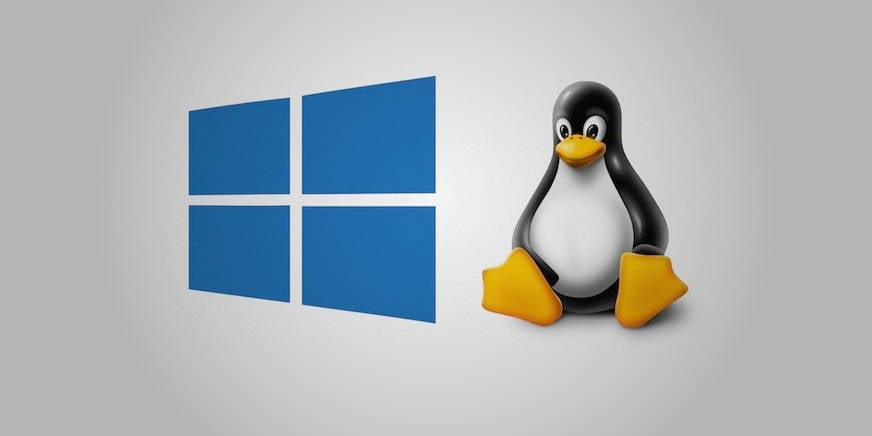
Loss32 is a proposal to construct a Linux distribution whose entire user environment runs inside WINE, effectively centering the OS on Windows binaries rather than a traditional Linux userland. The idea, posted by a developer using the handle Hikari no Yume and revealed at the 39th Chaos Communication Congress, draws on decades of prior work and current advances in WINE and Proton but it is not yet an active, confirmed project.
What happened
A developer writing as Hikari no Yume presented a provocative concept called Loss32 at the 39th Chaos Communication Congress late in December. Instead of the usual Linux stack (kernel, init, Linux userland and desktop) with Windows applications layered on top, Loss32 proposes running the whole user environment — desktop and all — inside WINE. In other words, a minimal Linux kernel would provide just enough plumbing for a WINE-based user environment to run directly on top of it. The idea echoes older efforts (such as Lindows and the Longene kernel experiment) and sits alongside ongoing projects like ReactOS and Neptune OS. The proposal arrives at a moment when WINE and related technologies, including Valve’s Proton, have matured substantially and consumer hardware and distros aimed at running Windows games on Linux are already in market. Whether Loss32 will be developed into a working OS remains undecided.
Why it matters
- Reverses the conventional layering: user environment built around Windows binaries rather than Linux-native applications.
- Leverages mature compatibility layers (WINE, Proton) that have improved Windows app and game support on Linux.
- Could change how compatibility and application ecosystems are handled on desktop Linux if it proves viable.
- Highlights long-running compatibility debates in the open source community about stable ABIs and cross-OS support.
Key facts
- Loss32 was proposed publicly by a blogger/developer using the name Hikari no Yume.
- The concept was unveiled at the 39th Chaos Communication Congress in late December.
- The core idea is to run the entire user environment (desktop and all) inside WINE atop a minimal Linux kernel.
- This approach differs from conventional Linux distributions that run a full Linux userland and then host Windows apps in WINE.
- Similar historical efforts include Lindows (later Linspire/Freespire) and the Longene attempt to add Windows binary support to the Linux kernel.
- ReactOS and Neptune OS are alternative projects mentioned as related or comparable ideas.
- WINE and Valve’s Proton have advanced Windows application and game compatibility on Linux, and ProtonDB tracks compatibility.
- Hardware and at least one Arch-based distro positioned around running Windows games are already sold to consumers in 2026.
- Booting an OS directly from NTFS has been possible for around five years, and the Loss32 proposal notes this capability.
- The project’s name is a pun on Win32 and references an internet meme from the Ctrl+Alt+Del comic.
What to watch next
- Whether Loss32 attracts contributors and becomes a maintained project: not confirmed in the source.
- Technical viability and performance compared with existing Linux+WINE setups and Proton: not confirmed in the source.
- Adoption by hardware vendors or integration into consumer-focused gaming distros: not confirmed in the source.
Quick glossary
- WINE: A compatibility layer that enables Windows applications to run on Unix-like operating systems by translating Windows API calls to native POSIX calls.
- Win32: A set of Windows APIs used by 32-bit Windows applications; commonly referenced when discussing Windows binary interfaces.
- Proton: A compatibility tool based on WINE, sponsored by Valve, intended to run Windows games on Linux through Steam.
- ABI (Application Binary Interface): The low-level interface between binary programs and the operating system, defining call conventions, data types, and binary formats.
- NTFS: A proprietary file system developed by Microsoft commonly used by Windows; some tools and projects allow direct booting from NTFS volumes.
Reader FAQ
What is Loss32?
A proposal to build a Linux distribution whose entire user environment runs inside WINE, presented by Hikari no Yume at the 39th Chaos Communication Congress.
Is Loss32 an active, released distribution?
Not confirmed in the source.
How is Loss32 different from current Linux with WINE?
Instead of a full Linux userland hosting WINE, Loss32 would make WINE the framework for the whole user environment on top of a minimal kernel layer.
Would Loss32 make Windows apps run better on Linux?
The proposal leans on mature compatibility layers like WINE and Proton, but whether Loss32 would improve performance or compatibility is not confirmed in the source.
OSES What if Linux ran Windows… and meant it? Meet Loss32 It's crazy, a million-to-one shot, but it might just work Liam Proven Tue 6 Jan 2026 // 17:17 UTC What if, rather than…
Sources
- What if Linux ran Windows… and meant it? Meet Loss32
- loss32: let's build a Win32/Linux | Lobsters
- Loss32: Let's Build a Win32/Linux
- loss32: let's build a Win32/Linux
Related posts
- The crucial skill ahead: engineers must cultivate focus, not just AI
- 27 Million Fewer Car Trips After One Year of Manhattan Congestion Pricing
- Gemini protocol deployment statistics: snapshot of the geminispace, Jan 6 2026