
TL;DR
A global DRAM shortage is increasing the cost base for hardware firewalls, with analysts warning the pressure will intensify into 2026. Public filings show Fortinet and Palo Alto Networks already facing narrower product gross margins; vendors and customers may both feel the impact.
What happened
Research firm Wedbush, after channel checks with consultancy advisor Jim Gruzlewski, warned that rising DRAM costs are set to increase the bill of materials for next‑generation firewall appliances and weigh on vendor margins in 2026. SEC filings cited by the research note show Fortinet and Palo Alto Networks reporting lower product gross margins year over year. Fortinet disclosed gross margins of 81.6 percent in its most recent quarter, down from 83.2 percent a year earlier, and issued guidance of 79–80 percent for the next quarter. Palo Alto reported a product gross margin of 76.9 percent, down from 78 percent a year prior; the company does not provide margin guidance. Wedbush suggested Palo Alto may fare better because it front‑loaded DRAM purchases, while Check Point has already applied about a 5 percent price increase in one business line to blunt the effect. Reporting from Korea and market watcher TrendForce indicates DRAM prices have spiked sharply, and some suppliers are planning further increases.
Why it matters
- Higher DRAM prices raise the component cost of hardware firewalls, threatening vendor gross margins and profitability.
- Customers building next‑generation firewall deployments may face higher purchase prices or delayed projects if vendors pass on costs.
- Vendors with larger DRAM inventories may be better positioned to absorb near‑term price shocks, creating competitive variance.
- Sustained memory inflation can ripple into broader security budgets and procurement planning for enterprises and service providers.
Key facts
- Wedbush flagged DRAM shortages and higher memory costs as a growing headwind for firewall hardware into 2026.
- Fortinet reported a gross margin of 81.6 percent in its most recent quarter, down from 83.2 percent a year earlier.
- Fortinet guided to lower gross margins of 79–80 percent for the following quarter.
- Palo Alto Networks reported a product gross margin of 76.9 percent, down from 78 percent a year earlier.
- Wedbush said Palo Alto may be better shielded because it front‑loaded DRAM inventory purchases.
- Check Point reportedly raised prices by about 5 percent in a business area to offset DRAM cost pressure.
- Korea Economic Daily reported that two Korean DRAM producers plan price increases of up to 70 percent in the quarter.
- TrendForce reported conventional DRAM prices jumped 55–60 percent in a single quarter.
- Combined with prior increases (about 50 percent during 2025), memory costs could roughly double year‑over‑year by mid‑2026, according to the source coverage.
- Fortinet and Palo Alto did not respond to requests for comment; Check Point said it had nothing to add.
What to watch next
- Announcements from DRAM producers and market trackers (price moves and timing) to gauge the magnitude of memory inflation.
- Quarterly gross‑margin disclosures and guidance from firewall vendors for signs of further margin pressure or recovery.
- Whether other vendors follow Check Point’s lead in raising end‑customer prices — not confirmed in the source.
Quick glossary
- DRAM: Dynamic Random‑Access Memory, a common form of volatile memory used in servers, PCs and appliances; a major component cost in many hardware devices.
- Gross margin: A profitability metric showing the percentage of revenue remaining after accounting for the cost of goods sold; used to assess product profitability.
- Next‑generation firewall (NGFW): A firewall appliance that integrates traditional packet‑filtering with additional features such as intrusion prevention, application awareness and deep packet inspection.
- Bill of materials (BOM): A detailed list of components and parts required to build a product; increases in BOM cost raise manufacturing expenses and can squeeze margins.
- Channel check: Market research technique involving conversations with partners, distributors or advisors to gather real‑world commercial and inventory signals.
Reader FAQ
Why are firewall prices expected to rise?
Not enough DRAM supply and sharp memory price increases are pushing up component costs, which raises the bill of materials for firewall appliances.
Which vendors are most exposed?
Wedbush named Fortinet, Check Point and Palo Alto Networks as likely to face the biggest DRAM‑related cost impacts; Palo Alto may be relatively better positioned due to larger pre‑purchased inventory.
Have vendors already taken action?
Check Point reportedly implemented about a 5 percent price increase in one business to offset DRAM costs; Fortinet and Palo Alto did not publicly comment in response to requests.
When will the impact be felt?
Analysts expect the larger DRAM impact to materialize into 2026 as next‑generation firewall buildouts continue.
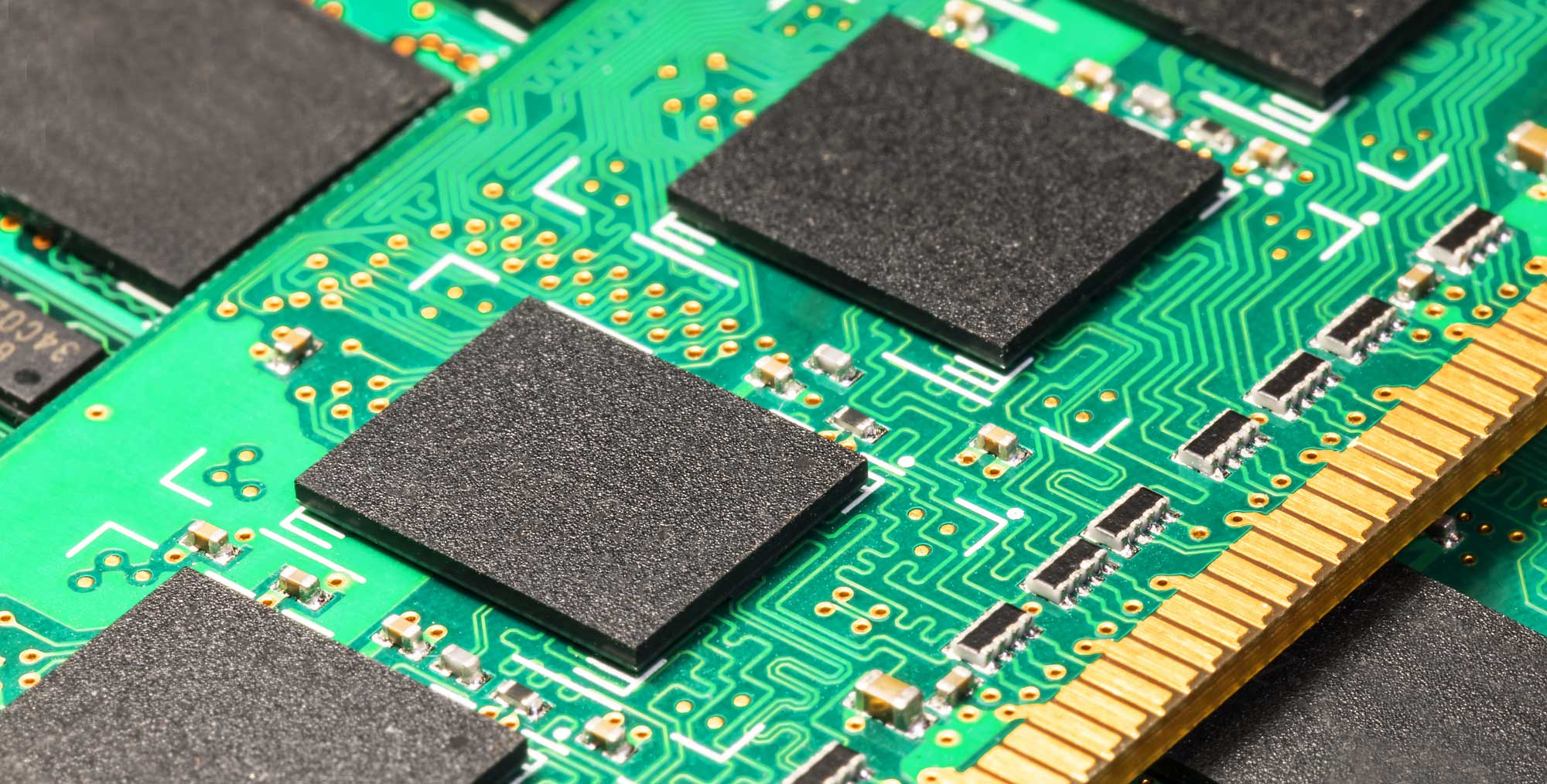
SECURITY No fire sale for firewalls as memory shortages could push prices higher In SEC filings, Fortinet and Palo Alto show shrinking product margins taking hold. O'Ryan Johnson Mon 12 Jan 2026 //…
Sources
- No fire sale for firewalls as memory shortages could push prices higher
- Memory Crunch Drives Server and PC Prices Up
- The global memory crunch will usher in higher prices for all …
- Global Memory Crunch Could Drive Up the Price of Your …
Related posts
- Minnesota and Twin Cities Sue Federal Government to Halt ICE Agent Surge
- FBI Agent’s Sworn Testimony Contradicts ICE Agent Jonathan Ross’s Account
- UK Tribunal Denies Interim Pay Request From Fired Rockstar Employees