
TL;DR
Meta has agreed to long-term arrangements with TerraPower, Oklo and Vistra to back new and existing nuclear capacity that will feed electricity into the grid. The capacity tied to these deals is not expected to be available until around 2030–2032, and Meta has not disclosed financial terms.
What happened
Meta announced a set of agreements with three nuclear-focused firms — TerraPower, Oklo and Vistra — to help bring additional atomic generation onto the grid to meet anticipated power needs for its hyperscale datacenters. The company says these contracts, together with a prior deal with Constellation Energy, will eventually add about 6.6 gigawatts of capacity to the U.S. grid. Under the deals Meta is funding development or capacity additions rather than taking direct, behind-the-meter supply: the electricity will be delivered into the grid. Oklo’s project in Pike County, Ohio, could provide up to 1.2 GW to the PJM grid and may be online as early as 2030. TerraPower’s Natrium program covers early development for two reactor-plus-storage plants totalling up to 690 MW, with delivery of the initial units slated for 2032 and rights to energy from up to six additional units. Vistra’s arrangement consists of 20-year power purchase contracts for roughly 2.1 GW from existing plants plus about 433 MW of uprated capacity expected in the early 2030s. Meta declined to disclose how much it is paying for these agreements. In the near term, its datacenters will continue to be predominantly powered by fossil-fuel-generated electricity, including a gas-turbine-powered facility in Louisiana that is not due online until around 2030.
Why it matters
- Long lead times for new nuclear plants mean corporate buyers must commit years ahead of need to secure low-carbon baseload power.
- Meta’s grid-focused purchases highlight how large cloud operators shape regional energy planning rather than obtaining direct onsite supply.
- The deals could influence investment in advanced reactor technologies and uprates at existing plants, affecting local grid capacity in the PJM region.
- Absence of disclosed costs leaves uncertainty about the economics and pricing structure of corporate nuclear procurement.
Key facts
- Partners named by Meta: TerraPower, Oklo and Vistra; an earlier deal was signed with Constellation Energy in June.
- Meta says the combined deals will eventually add about 6.6 GW of nuclear capacity to the U.S. grid.
- Oklo’s Ohio campus is expected to supply up to 1.2 GW of baseload power into the PJM grid and may be available as early as 2030.
- TerraPower’s agreement supports development of two Natrium reactor-plus-storage plants capable of up to 690 MW, with initial units targeted for 2032 and rights to energy from up to six additional units.
- Vistra’s deal comprises 20-year power purchase agreements for roughly 2.1 GW from existing plants (Perry and Davis-Besse) plus about 433 MW of incremental capacity from uprates, including Beaver Valley in Pennsylvania.
- Meta previously estimated it would need between 1 and 4 GW of nuclear power beyond current consumption and issued a request for proposals to suppliers.
- All contracted generation will flow into the grid rather than being delivered directly to Meta’s facilities.
- Meta did not provide financial details for these clean-energy agreements when asked.
- In the near term, some of Meta’s large data-center projects — including a $10 billion site in Louisiana — will run on gas turbines and other fossil-fuel generation until new nuclear capacity comes online.
What to watch next
- Whether Oklo’s Pike County project meets its potential 2030 timeframe and achieves the projected 1.2 GW of output.
- Progress on TerraPower’s Natrium deployments and the 2032 delivery target for the initial units.
- not confirmed in the source: detailed cost terms, financing structures or public disclosure of contract pricing for these agreements.
- not confirmed in the source: regulatory approvals and construction milestones that will determine actual online dates.
Quick glossary
- PJM: A regional transmission organization that coordinates the movement of wholesale electricity across parts of the U.S. Mid-Atlantic and Midwest.
- Power Purchase Agreement (PPA): A long-term contract to buy electricity at agreed terms from a specific power project or provider.
- Baseload power: Electricity generation that provides a steady, continuous supply of power to meet minimum demand levels.
- Natrium reactor: An advanced sodium-cooled fast reactor design paired with molten-salt energy storage intended to provide flexible, high-output electricity.
- Molten salt energy storage: A thermal storage system that uses heated salt to store and release energy, enabling reactors or plants to deliver higher short-term output.
Reader FAQ
How much did Meta pay for these nuclear deals?
Not confirmed in the source.
When will the new nuclear capacity be available?
Oklo’s project may be online around 2030; TerraPower’s initial Natrium units are slated for 2032; Vistra’s uprates and additions are expected in the early 2030s.
Will the electricity go directly to Meta’s data centers?
No. The agreements will put power onto the grid rather than delivering it straight to Meta’s facilities.
Are Meta’s data centers currently powered by nuclear energy?
No. The company says its data centers remain largely powered by fossil-fuel-generated electricity in the near term.
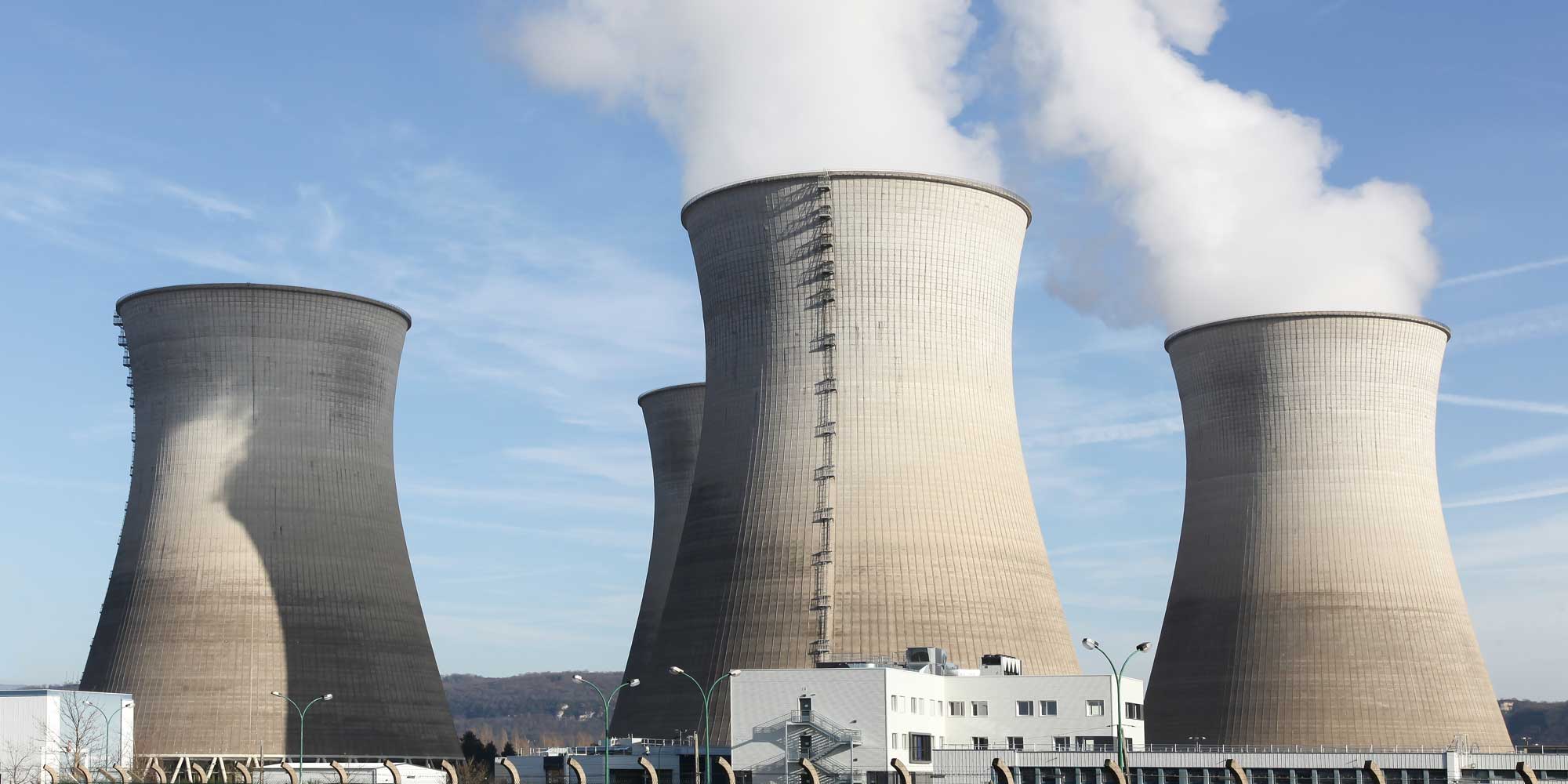
PAAS + IAAS Meta reacts to power needs by signing long-term nuke deals New nuclear capacity won’t show up until around 2030 Dan Robinson Fri 9 Jan 2026 // 17:54 UTC Meta is writing…
Sources
- Meta reacts to power needs by signing long-term nuke deals
- Meta Signs Multi-Gigawatt Nuclear Deals for AI Data Centers
- Meta signs nuclear energy deals to power Prometheus AI …
- Meta strikes nuclear power agreements with three companies
Related posts
- Silicon Valley Billionaires Flee California Over Proposed 5% Wealth Tax
- Microsoft halts Windows Media Player CD metadata service, losing album info
- X Gates Grok Image Tools to Paid Users, But Abuse Persists Online