
TL;DR
Meta agreed to acquire AI assistant platform Manus for $2 billion, a deal U.S. authorities appear comfortable with while Chinese officials are reportedly reviewing whether export controls were breached after Manus moved core staff from Beijing to Singapore. The review could give Beijing leverage and complicate Meta’s plans, though the final regulatory outcome remains unclear.
What happened
Meta struck a roughly $2 billion agreement to buy Manus, an AI assistant platform whose leadership and core team relocated from Beijing to Singapore earlier this year. U.S. officials have signaled confidence that the transaction is legitimate, even after earlier controversy when Benchmark led a funding round in Manus that drew scrutiny and prompted questions in Washington. That earlier financing spurred a public complaint from Senator John Cornyn and inquiries from the U.S. Treasury tied to new rules limiting American investment in some Chinese AI firms. In Beijing, regulators have reportedly opened a review to determine whether Manus’s move to Singapore required an export license, a pattern observers have nicknamed "Singapore washing." Chinese commentators cited in reporting say the review could create leverage over the deal and warn founders might face legal exposure if restricted technology left China without authorization. Analysts are split: some see the acquisition as evidence of Chinese AI talent flowing to U.S. ecosystems, while others note China has tools it could use to intervene.
Why it matters
- A Chinese export-control review could slow or complicate the transaction and give Beijing bargaining leverage.
- If authorities press claims about unauthorized technology transfers, founders and companies that relocate may face legal risks.
- The situation touches on broader geopolitics around AI talent, investment controls and how startups navigate national oversight.
- How regulators in both countries act could influence whether more Chinese AI firms relocate abroad to avoid domestic scrutiny.
Key facts
- Meta agreed to buy Manus for about $2 billion.
- Manus relocated its core team from Beijing to Singapore earlier this year.
- Benchmark’s earlier financing of Manus provoked controversy and scrutiny in the U.S.
- Senator John Cornyn publicly complained about Benchmark’s investment.
- The U.S. Treasury probed the Benchmark investment amid new rules on U.S. investment in Chinese AI companies.
- Chinese regulators are reportedly reviewing whether the Manus deal violated technology export controls.
- Observers have referred to the pattern of relocation to Singapore as "Singapore washing."
- A Chinese professor on WeChat described Manus’s move as a step-by-step disentanglement from China.
- Commentators warned founders could face criminal liability if they exported restricted technology without permission.
- Some U.S. analysts say the deal signals Chinese AI talent is moving toward the U.S. ecosystem.
What to watch next
- Whether Chinese authorities formally rule that Manus needed an export license when relocating from Beijing to Singapore — not confirmed in the source.
- Any formal enforcement actions, penalties, or legal proceedings against Manus founders or personnel — not confirmed in the source.
- If the review affects Meta’s timeline or plans to integrate Manus’s AI agent software into its products: reporting says it’s too early to tell — not confirmed in the source.
- Whether this episode prompts more Chinese startups to relocate abroad or prompts Beijing to tighten export-control enforcement.
Quick glossary
- Export controls: Government rules that restrict or regulate the transfer of certain technologies, goods, or data across national borders for national security or foreign policy reasons.
- AI assistant platform: Software that provides conversational, task-oriented, or autonomous assistance to users by leveraging artificial intelligence models and tools.
- Investment restrictions: Regulatory measures that limit or screen certain cross-border investments, often applied for national-security considerations.
- Singapore washing: An informal term used by observers to describe companies relocating personnel or operations to Singapore, potentially to sidestep domestic regulatory oversight.
Reader FAQ
Have U.S. regulators blocked the Meta–Manus deal?
U.S. authorities are reported to be comfortable with the transaction despite earlier concerns; no U.S. block is reported in the source.
Are Chinese regulators preventing the sale?
Chinese officials are reportedly reviewing whether export-control rules were violated; a formal block or prohibition is not reported in the source.
Will Meta definitely integrate Manus’s technology into its products?
It is too early to know whether the acquisition will affect Meta’s integration plans; the outcome is not confirmed in the source.
Could Manus founders face legal consequences in China?
A Chinese academic warned founders could face criminal liability if restricted technology was exported without authorization, but specific charges or actions are not detailed in the source.
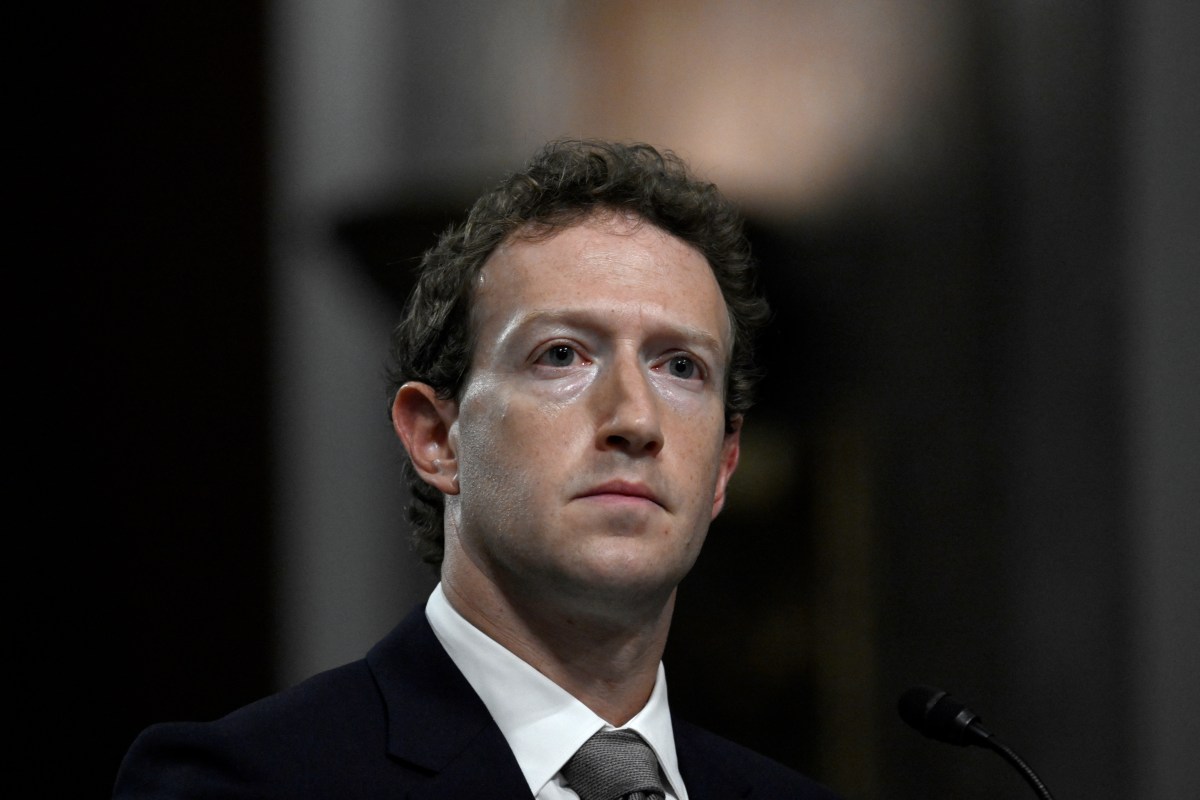
Meta’s $2 billion acquisition of AI assistant platform Manus is unsurprisingly caught in a regulatory tug-of-war — but not because of U.S. regulators. They appear assured that the deal is…
Sources
Related posts
- Jake Sullivan furious as Trump is blamed for upending his AI policy
- Grok and X Are Accelerating AI ‘Undressing’—Nonconsensual Image Risk Grows
- Mobileye to buy humanoid-robot startup Mentee Robotics for $900M