
TL;DR
Microsoft denied plans to rewrite Windows 11 in Rust after a senior engineer’s LinkedIn post suggested replacing C and C++ across the company using AI. The engineer, Galen Hunt, later updated the post to describe the work as a research project aimed at language-migration tooling, and Microsoft communications reiterated there is no plan to reengineer Windows 11 with AI.
What happened
A LinkedIn post from Galen Hunt, a Distinguished Engineer at Microsoft, sparked public concern by outlining an ambition to remove C and C++ from Microsoft codebases by 2030 and to use AI alongside algorithms to translate large codebases. The post included a pithy metric about a single engineer producing a very large volume of translated code in a short period, and it used inclusive language that many readers interpreted as speaking for the company. Hunt later edited the post, saying the work is a research project to build migration technology and not a declaration of Windows strategy. Microsoft told Windows Latest it has no plans to rewrite Windows 11 in Rust using AI, a point also reinforced by Frank X. Shaw in communications. The episode arrived amid broader company remarks about increasing AI use in software development, with CEO Satya Nadella saying roughly 20–30% of code in Microsoft repositories was produced by AI and the company’s CTO projecting higher AI-generated proportions in coming years.
Why it matters
- Language migration at scale could affect software security and reliability; Rust is often cited for safety advantages over C/C++, a point noted in coverage.
- Using AI to transform large, established codebases raises questions about correctness, testing and maintainability when applied at production scale.
- Public statements from senior engineers can shape perceptions of corporate strategy; mixed messages can prompt unrest among developers and users.
- The incident highlights wider debates about how quickly AI should be applied to critical, long-lived systems versus being used for research and tooling.
Key facts
- Galen Hunt posted on LinkedIn expressing a goal to remove C and C++ from Microsoft codebases by 2030 and to use AI plus algorithms for translation.
- The LinkedIn post included a striking productivity benchmark that drew attention and was later edited by Hunt.
- Hunt clarified the effort is a research project to create technology to enable language-to-language migration, not a declaration of Windows strategy.
- Microsoft told Windows Latest it does not plan to rewrite Windows 11 in Rust using AI; Frank X. Shaw, head of communications, reiterated that position.
- CEO Satya Nadella stated that about 20–30% of code in Microsoft repositories has been written by AI and suggested that share will grow.
- Microsoft’s CTO has said he expects AI-generated code could reach much higher proportions by 2030, according to the same reporting.
- Windows Latest captured a screenshot of Hunt’s original LinkedIn post before it was edited, which contributed to the public reaction.
- Separately, the report noted concerns about Windows apps built on web frameworks (WebView2, Electron) consuming high amounts of RAM.
What to watch next
- Whether the research project described by Hunt expands beyond tooling into formal engineering strategy is not confirmed in the source.
- Any further communications from Microsoft leadership or Hunt clarifying timelines, scope or production plans for language-migration tools are not confirmed in the source.
- Impact of WebView2-based features (for example, Agenda view) on system RAM and Edge-related processes, which the source reports can add roughly 100MB when enabled.
Quick glossary
- Rust: A systems programming language designed with a focus on memory safety and concurrency without a garbage collector.
- C / C++: Legacy systems programming languages widely used for operating systems and performance-critical applications.
- AI code generation: The use of machine learning models and tools to write, translate or assist in producing software source code.
- WebView2: A Microsoft component that embeds web content (based on Edge) inside native Windows applications.
- Electron: A framework that builds desktop apps using web technologies (HTML, CSS, JavaScript) and bundles a browser runtime.
Reader FAQ
Did Microsoft announce plans to rewrite Windows 11 in Rust using AI?
No. Microsoft told Windows Latest it does not plan to rewrite Windows 11 in Rust with AI.
Who made the original claim about removing C and C++?
Galen Hunt, a Distinguished Engineer at Microsoft, made the original LinkedIn post asserting a goal to eliminate C and C++ from Microsoft codebases by 2030.
Was Hunt’s post later changed?
Yes. Hunt edited the LinkedIn post to clarify the work is a research project focused on migration tooling and said Windows is not being rewritten in Rust with AI.
Is Microsoft already using AI to write its code?
According to the reporting, CEO Satya Nadella said about 20–30% of code in Microsoft repositories has been written by AI; the company’s CTO has spoken about higher future percentages.
Will Windows fully migrate to Rust?
Not confirmed in the source.
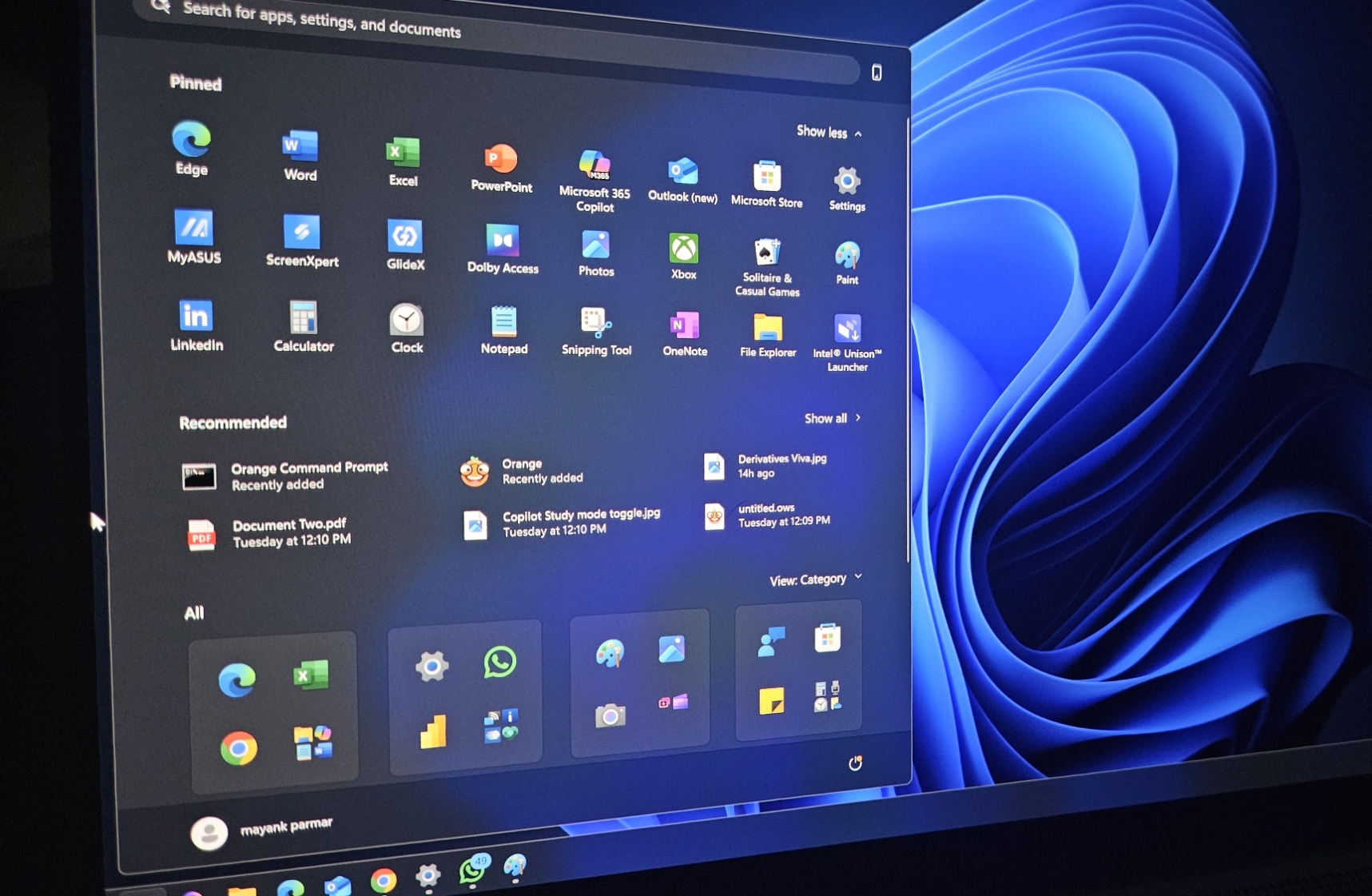
Home Windows 11 Windows 11 Microsoft denies rewriting Windows 11 using AI after an employee’s “one engineer, one month, one million code” post on LinkedIn causes outrage By Mayank Parmar…
Sources
- Microsoft denies rewriting Windows 11 in Rust using AI
- Microsoft Says It's Not Planning To Use AI To Rewrite …
- Microsoft is not rewriting Windows in Rust – CIO
- Microsoft building team to eliminate C and C++, translate …
Related posts
- Asterisk AI Voice Agent: Open-source AI Voice Agent for Asterisk/FreePBX
- Microsoft please get your tab to autocomplete shit together — developer complaint
- Confessions to a Data Lake: Building End-to-End Encrypted AI Chats