
TL;DR
Direct-current fast charging can top an EV battery from about 20% to 80% in roughly 20 minutes, but thermal limits remain a key constraint. A report highlights a valve-based solution that may halve those charging times by addressing uneven cooling in large battery packs.
What happened
Electric-vehicle drivers currently rely on direct-current (DC) fast charging to quickly replenish battery state of charge, with a common benchmark being a jump from about 20% to 80% capacity in roughly 20 minutes. That pace, while fast compared with slower AC charging, still trails refueling a petrol vehicle by a wide margin — on the order of six times longer. Engineers and researchers have been examining thermal management inside large battery assemblies, and one of the persistent barriers to faster charging is uneven cooling within those packs. The report referenced in the source points to a valve-based intervention as a potential way to reduce that thermal bottleneck and substantially cut fast-charge durations. Specific technical details, test results, developer identity and timelines for deployment were not provided in the source.
Why it matters
- Shorter DC fast-charge sessions would narrow the convenience gap between electric and petrol refueling, helping everyday usability.
- Reducing charge time could increase throughput at public chargers, easing infrastructure demand during peak use.
- Improved cooling uniformity can help maintain safe operating temperatures during high-rate charging, a prerequisite for faster power delivery.
- Faster, more predictable charging could influence consumer acceptance of EVs and fleet operations planning.
Key facts
- Direct-current (DC) fast charging can bring an EV battery from about 20% to 80% in approximately 20 minutes.
- That 20-minute benchmark is still about six times longer than filling a typical petrol vehicle’s tank, per the source.
- Uneven cooling within large EV battery packs is identified as a key bottleneck to faster charging.
- The article highlights a valve-based approach that could potentially halve fast-charge times by addressing cooling issues.
- The source does not provide technical specifics on how the valve works or where it would be installed.
- No developer, manufacturer, independent test results or commercialization timeline for the valve are named in the source.
- Article published on 2025-12-17 on IEEE Spectrum (link provided in source metadata).
What to watch next
- Whether independent lab and field tests confirm that the valve can halve practical DC fast-charge times — not confirmed in the source.
- Announcements from automakers or battery suppliers about adopting any valve-based cooling solution — not confirmed in the source.
- Regulatory and safety evaluations required before widespread deployment of new thermal-management components in EV battery packs — not confirmed in the source.
Quick glossary
- Direct-current (DC) fast charging: A method of charging EV batteries using DC power delivered at high rates, allowing much faster energy transfer than typical alternating-current (AC) onboard charging.
- Battery pack: An assembly of multiple battery cells and associated components (cooling, wiring, structural elements) that together provide energy storage for an electric vehicle.
- Thermal management: Systems and techniques used to regulate temperature in batteries and other components to ensure safe, efficient operation and longevity.
- Valve (general): A mechanical device that controls the flow of a fluid or gas; in thermal-management contexts it can be used to route or modulate coolant flow.
Reader FAQ
How much faster could charging become?
The report suggests the valve could halve DC fast-charge times; applied to the cited 20-minute 20%→80% benchmark, that implies about a 10-minute session, but specific test data are not provided in the source.
Does the valve replace existing chargers or infrastructure?
Not confirmed in the source.
Who developed this valve and when will it be available?
Not confirmed in the source.
Will this affect battery lifespan or safety?
The source identifies cooling uniformity as important for safe, high-rate charging, but it does not provide evidence about long-term impacts on battery life or detailed safety evaluations.
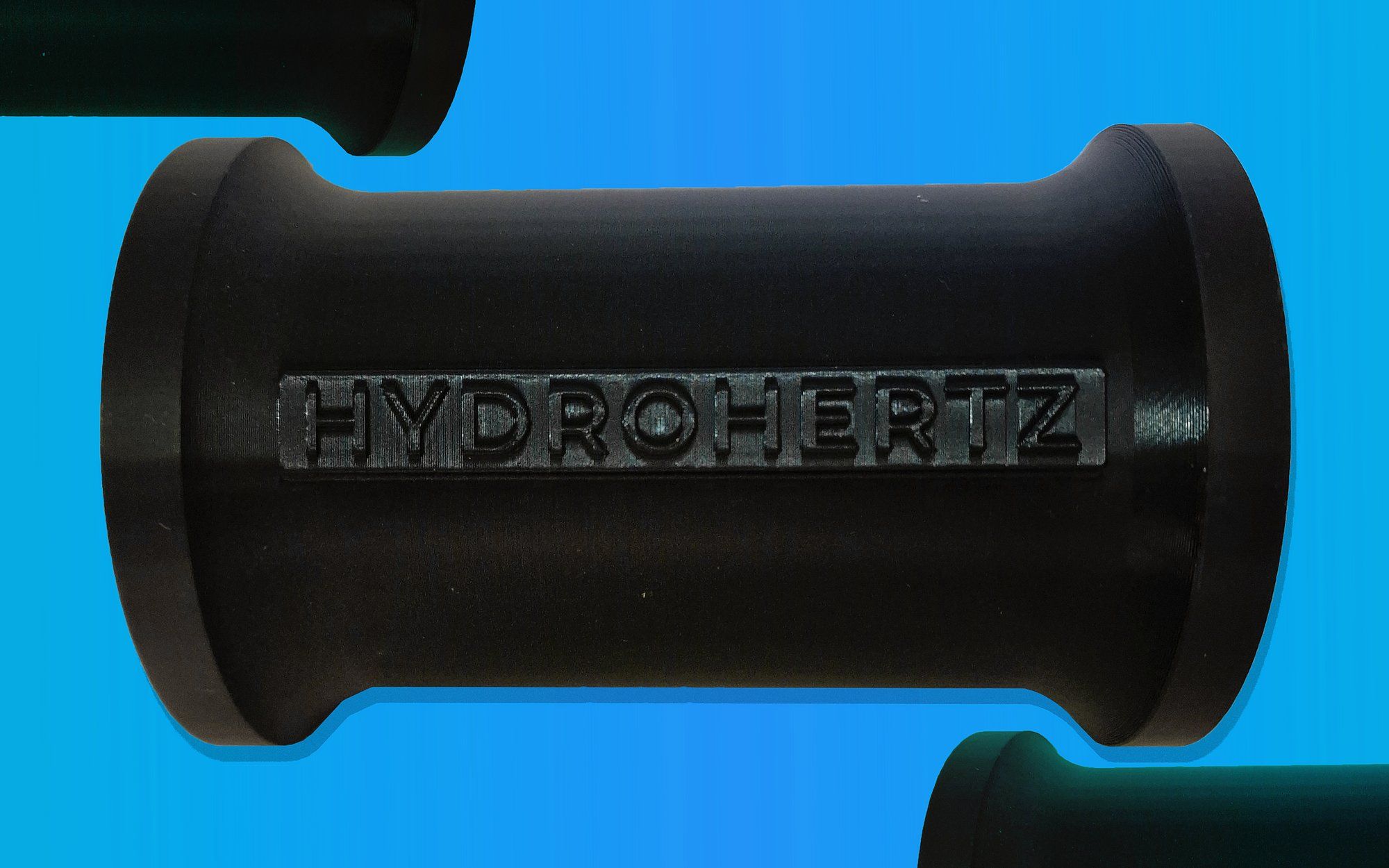
Fast, direct-current charging can charge an EV’s battery from about 20 percent to 80 percent in 20 minutes. That’s not bad, but it’s still about six times as long as…
Sources
- This Valve Could Halve EV Fast-Charge Times
- New Battery Thermal Device Promises Faster Charging …
- Breakthrough Device Promises To Cut Charging Times …
Related posts
- Video Friday: Holiday-themed robotics videos and lab greetings roundup
- Linking Renewables to Existing Plants Could Green the U.S. Grid
- Accelerating Radar Cross Section Simulations for Electrically Large Structures