
TL;DR
Governor Kathy Hochul proposed legislation to expand New York’s autonomous vehicle pilot and permit commercial robotaxi services across the state, while explicitly excluding New York City. Key details — including what counts as "limited deployment," exact safety standards, and implementation mechanics — were not spelled out and await the governor’s executive budget release on January 20.
What happened
During her State of the State address, Governor Kathy Hochul signaled plans to introduce legislation that would broaden New York’s autonomous vehicle (AV) pilot to permit commercial, for‑hire autonomous passenger services outside of New York City. A supporting document from the governor’s office described allowing "limited deployment" of commercial robotaxis beyond the city and said operators would need to apply and demonstrate local support and compliance with stringent safety requirements. The proposal leaves key terms undefined — including the scope of "limited deployment" and what constitutes the "highest possible safety standards" — and indicates multiple state agencies, such as the Department of Motor Vehicles, Department of Transportation and New York State Police, would play roles in oversight. The governor’s office has signaled more specifics will appear in the executive budget to be released January 20.
Why it matters
- Expands legal pathway for commercial autonomous passenger services in most of New York state, potentially unlocking new transit options and investment outside NYC.
- Keeps New York City as an exception, preserving local regulatory control and the city’s existing permitting and licensing processes.
- Creates a multi‑agency oversight structure that, depending on implementation, could set precedent for safety and approval standards nationwide.
- Leaves significant regulatory questions unresolved, meaning companies and local governments face uncertainty until the executive budget and subsequent rules are published.
Key facts
- Governor Kathy Hochul announced plans during her State of the State address to introduce legislation expanding the state AV pilot program.
- The proposal would permit "limited deployment of commercial for‑hire autonomous passenger vehicles outside New York City."
- Applicants seeking to operate commercial robotaxi services would need to show local support and meet what the document calls the "highest possible safety standards."
- Details on the meaning of "limited deployment" and the safety criteria were not specified in the governor’s document.
- Multiple state agencies — the New York DMV, Department of Transportation, and New York State Police — are cited as involved in oversight.
- The governor’s executive budget, due January 20, is expected to include further details.
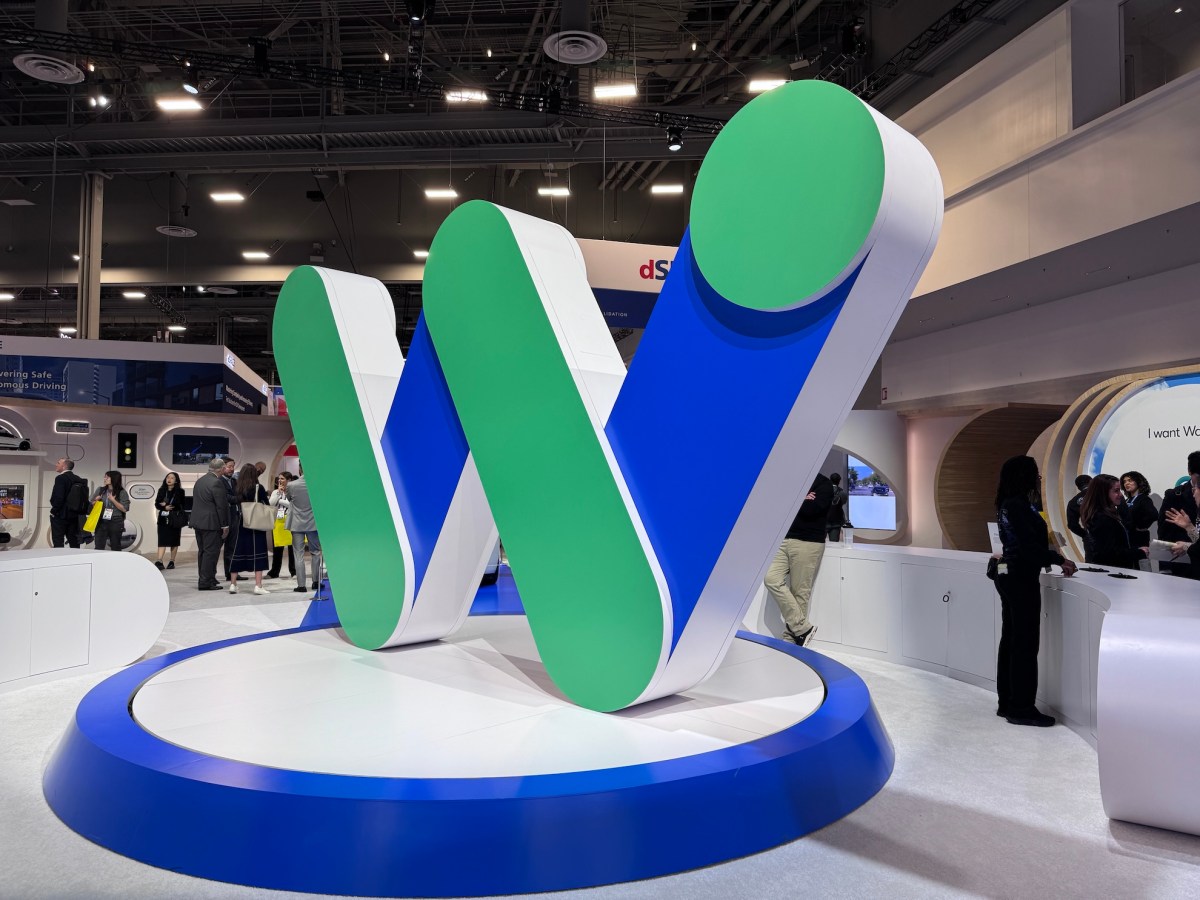
- Waymo publicly welcomed the governor’s proposal, framing it as an opportunity to pair technology with state traffic and safety initiatives.
- Existing state law requires drivers to keep one hand on the wheel; the AV pilot has provided an exemption to support testing.
- In New York City, Waymo holds a permit to test up to eight Jaguar I‑Pace vehicles in Manhattan and Downtown Brooklyn with a human safety operator; that permit was extended through March 31.
- Waymo cannot carry passengers or run a commercial robotaxi service in NYC without separate licenses from the city’s Taxi and Limousine Commission.
What to watch next
- Governor Hochul’s executive budget release on January 20 for fuller legislative language and implementation details (confirmed in the source).
- How the state will define and limit "limited deployment," including geographic scope and fleet size (not confirmed in the source).
- Specific safety standards, metrics, and the process agencies will use to assess operators’ records and approve applications (not confirmed in the source).
- Whether New York City’s permitting and licensing stance toward driverless commercial services will change in response to state action (not confirmed in the source).
Quick glossary
- Robotaxi: A commercially operated passenger vehicle that uses autonomous driving technology to transport riders without a human driver in control.
- Autonomous vehicle (AV): A vehicle equipped with systems that enable it to navigate and operate with reduced or no human input, using sensors and software.
- Pilot program: A limited, controlled implementation used to test and evaluate a new technology or service before wider deployment.
- Taxi and Limousine Commission (TLC): A municipal agency (in NYC) that issues licenses and regulates for‑hire and taxi services within the city.
Reader FAQ
Will commercial robotaxis be allowed in New York City under this proposal?
No — the proposal as described would permit commercial AV deployment outside New York City; NYC would remain excluded.
When will more specifics about the legislation be available?
The governor’s office indicated additional details will be included in the executive budget due January 20.
Can companies like Waymo already operate commercial robotaxis in New York City?
Not yet. Waymo has a city testing permit for a limited fleet with human safety operators and must obtain separate NYC Taxi and Limousine Commission licenses to carry passengers commercially.
Are the safety standards and deployment limits spelled out in the proposal?
Not confirmed in the source.
New York Governor Kathy Hochul plans to introduce legislation that would effectively legalize robotaxis in the state — except for its most populous metropolis: New York City. Hochul, who made…
Sources
- New York governor clears path for robotaxis everywhere, with one notable exception
- Hochul to Announce Expansion of Robotaxis Outside New …
- New York Could Be The Next State In Waymo's Robotaxi …
- Could self-driving cars be on a collision course with Zohran …
Related posts
- Tracking on Government Websites: A 1996–2025 Longitudinal Analysis
- FCC allows Verizon to keep customers’ phones locked beyond 60 days
- Games Workshop bans staff from using AI in content and design work