
TL;DR
Wired examined the rise of 'physical AI,' a tech-marketing term applied to systems that pair machine intelligence with vehicles' physical capabilities. The article points to the Afeela 1 and an Afeela prototype shown at CES as examples of that concept, and it questions what the label implies for the future of automotive technology.
What happened
Wired published a feature by Aarian Marshall that explored the emerging marketing term 'physical AI' and its relevance to the automotive industry. The piece notes that the autonomous systems showcased in the Afeela 1 and an Afeela prototype at CES were presented as instances of 'physical AI.' The article frames the phrase as carrying an apparent paradox — intelligence packaged with a body — and uses the CES demonstrations to interrogate what manufacturers mean when they use the term. Marshall's reporting situates 'physical AI' as a new bit of industry vocabulary being applied to cars with integrated machine intelligence and autonomous features, and she treats the label as both descriptive and promotional. Beyond linking the Afeela examples to the buzzword, the available excerpt does not provide engineering specifics, safety claims, or detailed product specs.
Why it matters
- The term signals how companies may reframe vehicle autonomy to emphasize integrated, physical systems rather than just software.
- Labeling technologies 'physical AI' could shape consumer expectations about what cars can do and how they are marketed.
- How automakers and suppliers define and deploy the concept may influence regulatory and safety conversations around autonomous features.
- The emergence of the phrase highlights the role of CES and similar events in promoting new tech narratives to the public and press.
Key facts
- The story was written by Aarian Marshall and published in Wired's Gear section on January 9, 2026.
- Wired frames 'physical AI' as a current tech-marketing buzzword applied to automotive systems.
- The Afeela 1 and an Afeela prototype, both shown at CES, are cited in the piece as embodiments of 'physical AI.'
- The article describes the phrase as suggesting a computer with a body, calling attention to the term's rhetorical tension.
- Marshall's reporting uses CES demonstrations to examine how the industry is talking about AI in vehicles.
- An image accompanying the piece is credited to Sony Honda Mobility in the provided excerpt.
- The available excerpt does not include technical specifications, safety test results, or regulatory details for the vehicles mentioned.
What to watch next
- How automakers will define concrete technical criteria for 'physical AI' in production vehicles — not confirmed in the source
- Whether regulators propose rules or guidance specifically addressing systems labeled as 'physical AI' — not confirmed in the source
- Customer-facing claims and safety disclosures from companies marketing 'physical AI' features — not confirmed in the source
Quick glossary
- Physical AI: A marketing and engineering concept that pairs machine intelligence with a device's physical components, used here to describe systems embedded in vehicles.
- Afeela: The name given to a vehicle model and prototype referenced in the article; both were shown at CES and cited as examples of 'physical AI.'
- CES: An annual consumer electronics show where companies often unveil new technologies, prototypes, and marketing narratives.
- Autonomous features: Capabilities in a vehicle that enable it to perform driving-related tasks with varying levels of human intervention, as referenced in the article.
Reader FAQ
What does 'physical AI' mean?
In the article it's described as a term for AI systems embodied in physical devices — essentially intelligence paired with a body.
Are the Afeela vehicles fully autonomous?
Not confirmed in the source.
Who reported this coverage and when was it published?
The piece was written by Aarian Marshall and published in Wired on January 9, 2026.
Is Sony Honda Mobility the maker of Afeela?
Not confirmed in the source.
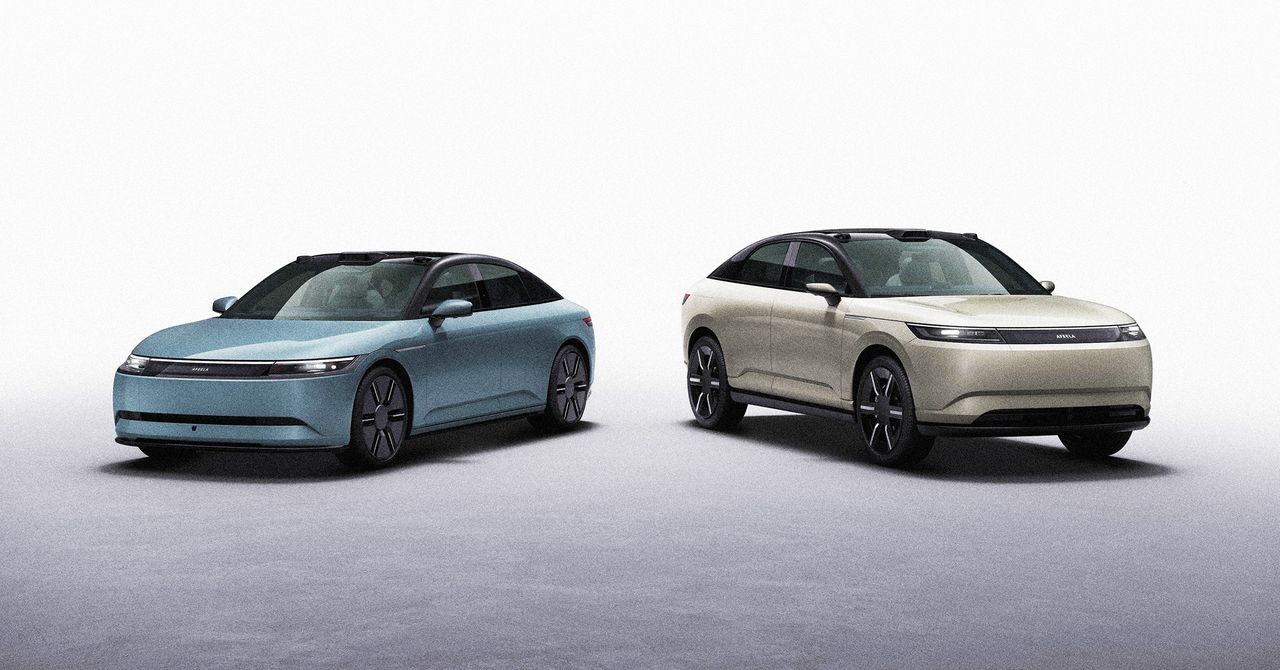
AARIAN MARSHALL GEAR JAN 9, 2026 6:30 AM ‘Physical AI’ Is Coming for Your Car What the latest tech-marketing buzzword has to say about the future of automotive. The systems…
Sources
- ‘Physical AI’ Is Coming for Your Car
- At CES, auto and tech companies transform cars into …
- The Impact of AI On the Automotive Industry
- EVs get smarter: Physical AI helps autonomous cars detect …
Related posts
- Why MCP’s Popularity Is Likely Temporary: Architectural Risks and Limits
- MCP Is a Fad — The Server-Based Tool Protocol’s Flaws and Risks
- Grok’s image tool limited after UK warns over AI ‘nudification’ abuse