
TL;DR
Google’s move to Qi2 and the Magnetic Power Profile has created compatibility problems: Pixel 10 devices often negotiate down to a 5W fallback with older chargers instead of using midrange EPP speeds. The result is slow charging, potential battery drain in cars, added replacement costs and increased e-waste for users with existing charging setups.
What happened
The Wireless Power Consortium folded Apple-style magnetic latching into an open Qi2 standard that includes a Magnetic Power Profile (MPP). Google added magnets to the Pixel 10 to support Qi2, but the phone’s power negotiation with older chargers has been inconsistent. When a Pixel 10 meets an older Extended Power Profile (EPP) charger — the common 10–15W pads sold through 2023 — the handset often fails to agree on a midrange power level and instead drops to the Basic Power Profile (BPP) speed of 5W. That slow fallback is particularly visible overnight and during in-car use: many integrated vehicle pads still use legacy protocols and cannot be swapped out. The mismatch affects some Pixel 9 owners, too, when they pair legacy handsets with new Qi2-first chargers that prioritize MPP over EPP.
Why it matters
- Users see dramatically slower wireless charging (5W) instead of expected 10–15W, extending charge times.
- Integrated car charging pads can leave a phone draining its battery while driving or running heavy tasks.
- People may need to buy new Qi2-certified chargers and compatible cases, adding $30–$70 per charger and roughly $50 for a magnetic case.
- Widespread downgrades of otherwise functional chargers could accelerate electronic waste.
- The situation fragments the wireless charging ecosystem, forcing consumers to verify protocol compatibility rather than expecting plug-and-play behavior.
Key facts
- The Wireless Power Consortium added magnetic latching into an open Qi2 standard with a Magnetic Power Profile (MPP).
- Qi2’s Magnetic Power Profile (MPP) is specified for roughly 15–25W performance.
- Extended Power Profile (EPP) covers about 10–15W and was the high-speed standard from roughly 2010–2023.
- Basic Power Profile (BPP) is a legacy 5W mode.
- Pixel 10 often falls back to BPP (5W) when it fails to negotiate properly with an EPP charger.
- Pixel 9 phones using the legacy EPP protocol can also end up limited to 5W when paired with chargers that prioritize MPP.
- Many factory-installed automotive wireless pads use older standards and cannot be easily replaced, creating practical compatibility issues in cars.
- Qi2-certified chargers are reported to cost about $30–$70; a magnetic-compatible case is cited at around $50.
- Combined replacement costs for home, office and car setups can exceed $100 for affected users.
What to watch next
- Whether Google issues a firmware update or software change to improve negotiation with EPP chargers — not confirmed in the source
- If charger makers or the Wireless Power Consortium release firmware or spec clarifications to smooth EPP <-> MPP handshakes — not confirmed in the source
- Automakers updating in-car wireless pads or publishing compatibility guidance for Qi2 devices — not confirmed in the source
Quick glossary
- Qi2: A wireless charging standard updated to include magnetic alignment features and a Magnetic Power Profile intended to improve magnetic wireless charging.
- Magnetic Power Profile (MPP): A Qi2-era profile intended to support higher-power magnetic wireless charging, roughly specified around 15–25W.
- Extended Power Profile (EPP): An earlier wireless charging profile that supported faster charging than legacy modes, typically in the 10–15W range.
- Basic Power Profile (BPP): A legacy wireless charging mode with about 5W of power, used for basic compatibility with older devices and chargers.
- Magnetic latching: A physical alignment method that uses magnets to hold a phone in place on a charger for more consistent coil alignment.
Reader FAQ
Will my Pixel 10 charge at full speed on my existing 15W pad?
Not reliably. The Pixel 10 can fail to negotiate with EPP 15W pads and may fall back to the 5W BPP mode, producing much slower charging.
Do Pixel 9 owners get affected by Qi2 chargers?
Yes. Pixel 9 phones using legacy EPP can drop to 5W when paired with chargers that prioritize Qi2’s MPP, according to the reported behavior.
Do I need to replace my chargers and cases?
Many users will likely need Qi2-certified chargers (reported at $30–$70) and a magnetic-compatible case (around $50) to attain the marketed Qi2 experience.
Is a software fix expected to resolve the issue?
Not confirmed in the source.
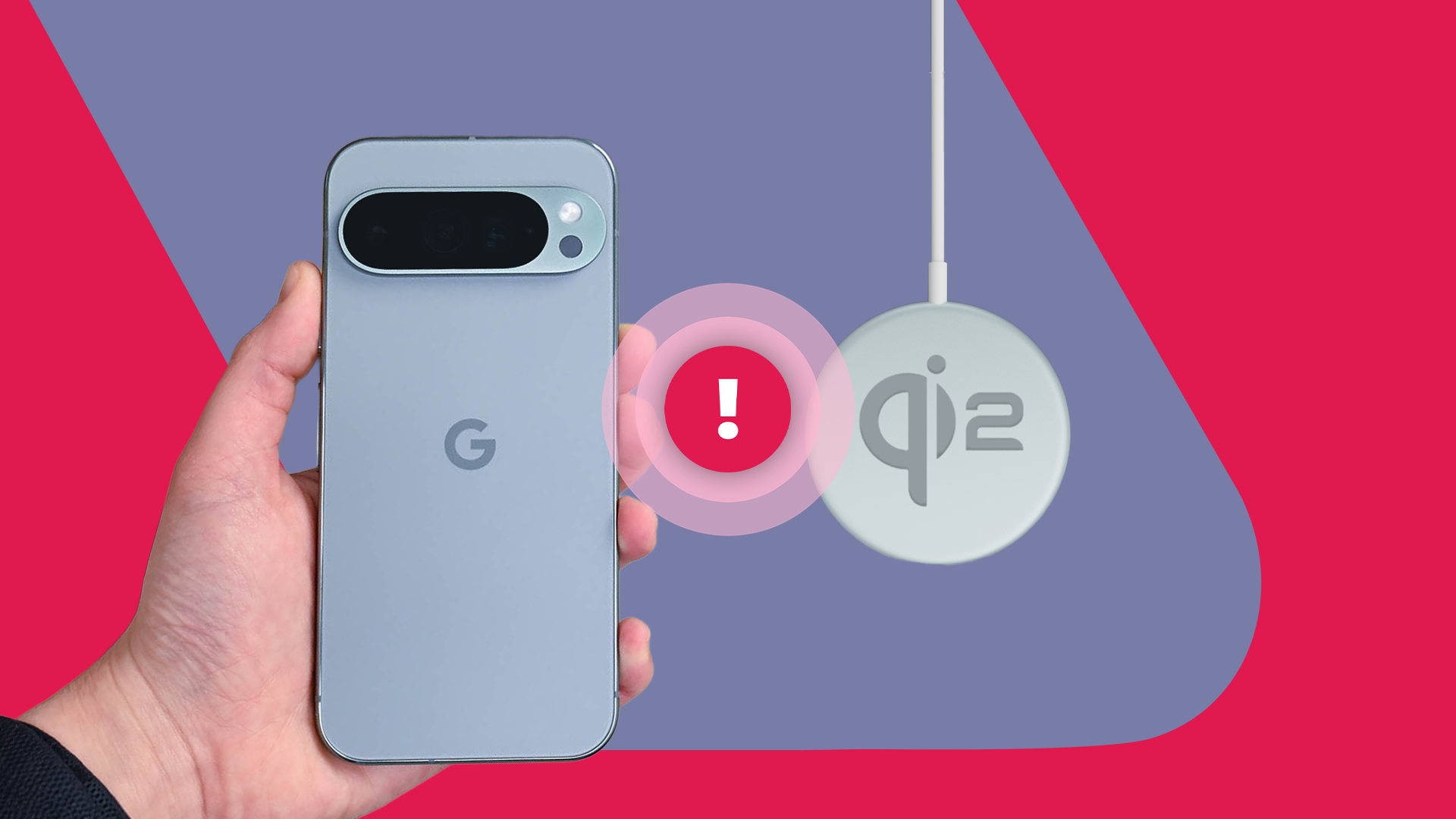
Google's Qi2 implementation is a disaster for anyone who owns an old charger Credit: Lucas Gouveia / Hannah Stryker / Android Police By Ben Khalesi Published 9 minutes ago Ben Khalesi…
Sources
- Google's Qi2 implementation is a disaster for anyone who owns an old charger
- Pixel 10 Wireless Charging Nightmare Breaks Old Chargers
- Pixel Owners Are Not Using the Right Qi or Qi2 Chargers …
- Pixel 10 Series and Qi2 15W Wireless Charging
Related posts
- I dislike Galaxy AI, but Samsung’s Now Bar finally won me over
- Dutch hobbyists build low-cost next-gen Amiga mainboard for AmigaOS4, MorphOS
- AMD Strix Halo versus Nvidia DGX Spark: Comparing two 128 GB AI workstations