
TL;DR
Vanessa Larco of Premise argues that consumer-facing AI products will outpace enterprise adoption in 2026 because consumers adopt faster and reveal product-market fit more quickly. She flags changes in monetization, possible M&A activity, and risks to legacy platforms as major trends to watch.
What happened
Vanessa Larco, a partner at Premise and former NEA partner, told the Equity podcast she expects 2026 to be a turning point for consumer technology. She said many enterprise AI projects stall because companies struggle to know how to implement solutions, whereas consumer and prosumer buyers typically have clear use cases and will quickly signal whether a product satisfies a need. Larco pointed to early consumer-facing moves — notably OpenAI’s integration of third-party apps into ChatGPT for services like shopping, travel and music — as evidence that new experiences are emerging. She also noted social feeds are being flooded with realistic AI-generated content, which raises questions about where trustworthy information will come from. Larco sees potential for significant mergers and acquisitions, and is interested in startups filling practical gaps that large AI platforms may not want to operate, such as marketplaces that require managing physical assets or real people.
Why it matters
- Faster consumer adoption can reveal product-market fit more quickly than long enterprise sales cycles.
- If consumer AI products scale despite a weak macro environment, that could renew venture interest in consumer startups.
- Large platform moves (like app integrations and potential revenue-sharing models) could reshape which companies control consumer experiences.
- Rising volumes of AI-generated media on social platforms could undermine trust and change where people turn for reliable information.
Key facts
- VC investment in consumer tech has been depressed since 2022 amid macroeconomic turbulence and inflation.
- Much recent AI investment prioritized enterprise customers because they offer larger contracts and apparent paths to scale.
- Vanessa Larco told the Equity podcast she expects 2026 to be a breakout year for consumer-focused products.
- Larco argues enterprise adoption often stalls because companies “don’t know where to start,” while consumers typically know what they want.
- OpenAI launched third-party apps inside ChatGPT that let users access services from companies such as Target, Zillow, Expedia and Spotify.
- Larco believes some consumer services may be vulnerable if large AI platforms become the dominant interface for users.
- She expects active M&A activity in 2026 and is seeking startups that OpenAI would be unlikely to replicate, especially those tied to managing real-world assets or people.
- Larco raised the prospect of platform owners taking cuts of traffic (comparing to Apple/Android 30% models) and questioned whether incumbents would accept such terms.
- Meta recently acquired Manus; Larco suggested the move could relate to improving Ray-Ban smart glasses and voice-driven experiences.
What to watch next
- Whether venture funding shifts back toward consumer startups in 2026 (not confirmed in the source).
- If major AI platform operators impose revenue-sharing or traffic-cut models and how incumbents respond (not confirmed in the source).
- The pace at which voice-first assistants and wearable integrations (for example, smart glasses) move from experimental to mainstream use cases (not confirmed in the source).
Quick glossary
- Product-market fit: A state in which a product satisfies a clear market need and gains sustained user demand.
- Prosumer: A user who is more advanced than a typical consumer and may expect higher functionality, often blurring lines between consumer and professional use.
- Deepfake: Synthetic media that uses AI to create realistic but fabricated audio, images or video.
- Voice assistant: Software that uses voice recognition and natural language processing to perform tasks or answer questions for users.
- Marketplace: A platform that connects buyers and sellers and often involves coordinating physical assets or services provided by real people.
Reader FAQ
Who is Vanessa Larco?
She is a partner at Premise and a former partner at NEA who discussed her 2026 consumer outlook on the Equity podcast.
Is consumer tech investment already rebounding?
The piece notes a downturn in consumer investment since 2022 and cites early signs of consumer product activity, but a broad funding rebound is not confirmed in the source.
Will OpenAI replace marketplaces like Airbnb?
Larco said she does not expect OpenAI to build businesses that require managing real-world assets or people, but this outcome is not confirmed in the source.
Why does Larco think enterprise AI adoption is stalling?
She said many enterprises have budgets and urgency but often struggle to know where to start with AI implementations, which can slow adoption.
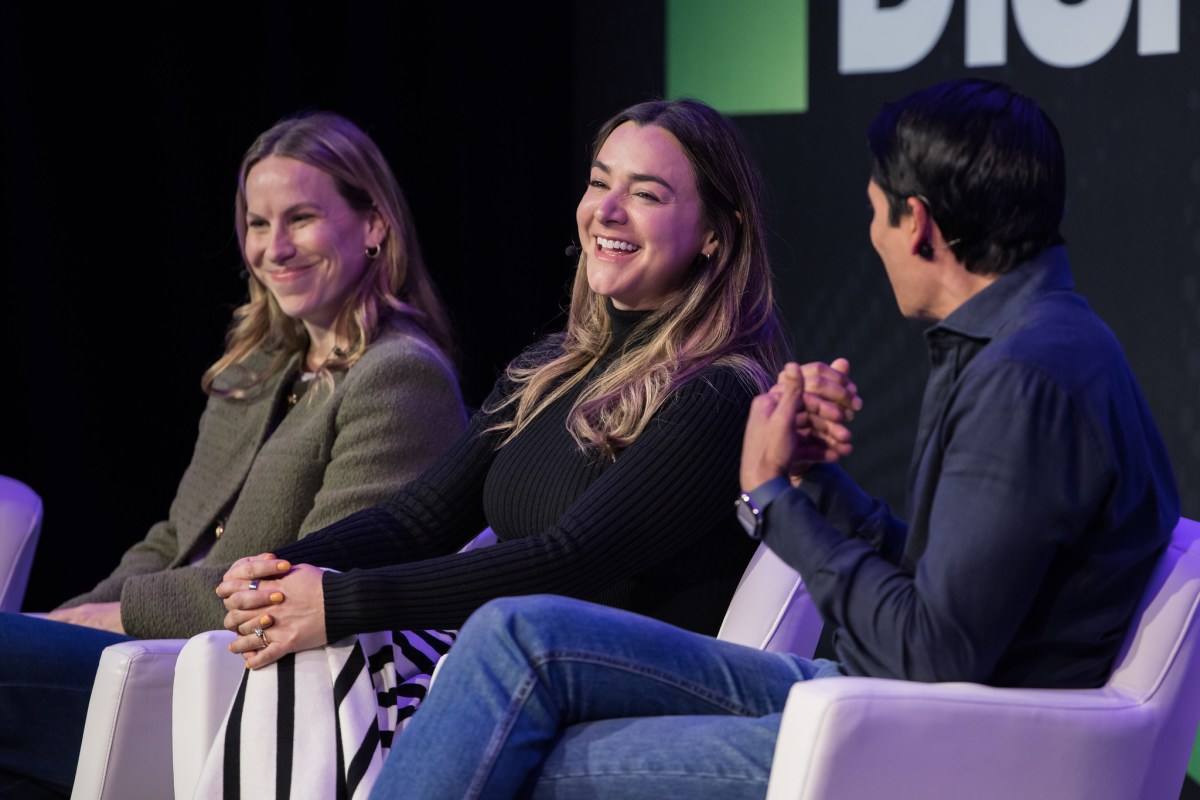
Investment in consumer tech startups has been in a downturn since 2022, as a turbulent macroeconomic climate and rising inflation have made VCs skittish about consumer spending power. For the…
Sources
- Why this VC thinks 2026 will be ‘the year of the consumer’
- Consumer AI Products: The Resilient Niches OpenAI Won't …
- Vanessa Larco, partner at Premise and former …
- AI Startups Can Thrive: Where VCs See Lucrative …
Related posts
- Motorola Razr Fold revives stylus support Samsung left behind
- The Best TVs of CES 2026: Major Displays, New LEDs and Slim Designs
- Gmail adds a personalized AI Inbox, search Overviews and proofreading