
TL;DR
Works first published in 1930 entered the US public domain in 2026, unlocking a range of books, films, comics and songs for reuse. A Duke Law School project compiled notable titles now free to repurpose.
What happened
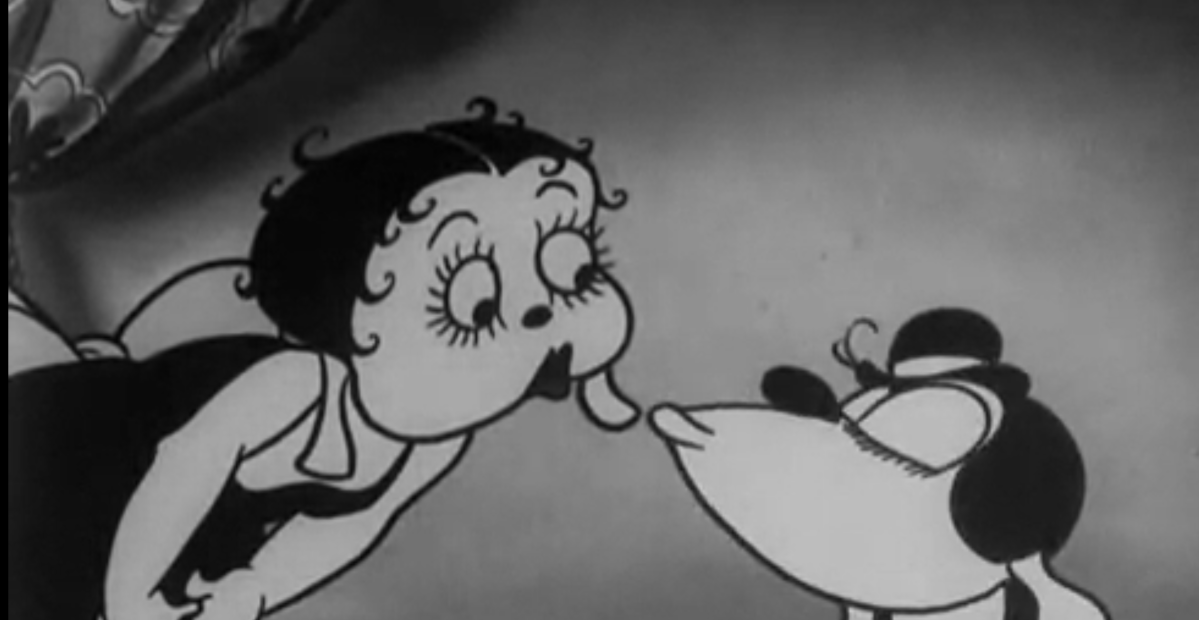
On January 1, 2026, a new tranche of copyrighted material from 1930 became part of the public domain in the United States, meaning these works can be reused and adapted without obtaining permission from the original rightsholders. The move affects a diverse set of cultural items: novels, films, comic strips, early cartoon characters and popular songs. Duke Law School’s Center for the Study of the Public Domain produced a catalog highlighting many of the better-known entries. The list includes novels by William Faulkner and Agatha Christie, the earliest Nancy Drew mysteries, Fleischer Studios’ Betty Boop (whose initial appearance was as an anthropomorphic dog in the short Dizzy Dishes), early Blondie comic strips, landmark films such as All Quiet on the Western Front and Animal Crackers, a Marlene Dietrich picture The Blue Angel, a Disney short sometimes called Just Fiddlin’ Around (Just Mickey), and a set of Gershwin songs alongside Dream a Little Dream of Me. The source notes that sound recordings follow a different cutoff year (1925).
Why it matters
- Creators, educators and archivists in the US can now reuse, adapt and distribute these works without seeking copyright clearance.
- Public-domain status can enable new editions, adaptations, and scholarly projects built on historically significant texts, films and music.
- The change may affect how studios, publishers and rights holders approach older material, including derivative or reissued versions.
- Researchers and curators gain clearer access to a set of influential cultural artifacts from 1930 for preservation and study.
Key facts
- Works created in 1930 entered the US public domain on January 1, 2026.
- Sound recordings use an earlier cutoff year—1925—per the source.
- Duke Law School’s Center for the Study of the Public Domain compiled a catalog of notable titles entering the public domain.
- Notable literary works listed include William Faulkner’s As I Lay Dying and Agatha Christie’s The Murder at the Vicarage.
- The original first four Nancy Drew mysteries, starting with Secret of the Old Clock, are included.
- Animated and cinematic entries include Fleischer Studios’ Betty Boop, All Quiet on the Western Front (dir. Lewis Milestone), Animal Crackers (Marx Brothers), and The Blue Angel (Marlene Dietrich).
- The Disney short Just Fiddlin’ Around (Just Mickey) is named among the items entering the public domain.
- Songs entering the public domain include George and Ira Gershwin’s "I Got Rhythm" and "Embraceable You," plus "Dream a Little Dream of Me."
- The article uses a 1928 song anecdote to illustrate how works become usable once they enter the public domain.
What to watch next
- How contemporary creators and companies choose to reuse or reimagine these newly public works — not confirmed in the source.
- Whether rights holders will pursue other forms of protection (trademarks, new copyrights on later versions) for characters and brands — not confirmed in the source.
- Which specific editions, restorations or adaptations will appear next as a result of these works entering the public domain — not confirmed in the source.
Quick glossary
- Public domain: Works not protected by copyright and therefore free for the public to use, adapt, reproduce and distribute without permission.
- Copyright cutoff year: The publication year that determines when a group of works becomes free from copyright protection under statutory terms.
- Sound recording: A recording of sounds (distinct from the underlying musical composition); under the source, sound recordings use a different cutoff year than other works.
- Catalog (as used here): A compiled list or database identifying works that have entered the public domain, often maintained by research or legal institutions.
Reader FAQ
Which works entered the public domain in 2026?
The source lists a range of 1930 works, including novels by William Faulkner and Agatha Christie, the first Nancy Drew books, Fleischer’s Betty Boop, Blondie comics, several films (All Quiet on the Western Front, Animal Crackers, The Blue Angel, a Disney short) and songs like I Got Rhythm and Embraceable You.
Does this public domain change apply worldwide?
The article specifies the change applies in the United States; not confirmed in the source for other countries.
Do sound recordings also enter the public domain in 2026?
No. The source notes sound recordings use a 1925 cutoff year, so they follow a different schedule.
Is Pluto now free to use?
Not confirmed in the source.
Where can I find a full list of works that entered the public domain?
The Duke Law School Center for the Study of the Public Domain compiled a catalog of the works mentioned in the article.
POLICY ENTERTAINMENT FILM Public domain 2026: Betty Boop, Pluto, and Nancy Drew set free The year 1930 brought about a slew of raunchy films, the debut of Betty Boop, and…
Sources
- Public domain 2026: Betty Boop, Pluto, and Nancy Drew set free
- The cultural works becoming public domain in 2026, from …
- Betty Boop, 'Blondie' and Nancy Drew entering the public …
- Betty Boop and Nancy Drew to enter the Public Domain in 2026
Related posts
- Build a Simple Deep Learning Library from Scratch with NumPy and Autograd
- ACM Makes Entire Digital Library Open Access Starting January 1, 2026
- Half of U.S. Vinyl Buyers Don’t Own Record Players as Gen Z Drives Return