
TL;DR
Major memory manufacturers are redirecting production toward AI customers, shrinking the supply available for consumer devices and driving up RAM prices. Analysts warn the shortage and elevated costs could continue into 2027, and several hardware makers have already raised prices or warned of increases.
What happened
Demand for dynamic random-access memory (DRAM) from large AI customers has pulled capacity away from consumer markets. Memory giants including Samsung, SK Hynix and Micron are prioritizing lucrative deals with cloud and AI operators — buyers such as OpenAI, Anthropic, Google and Meta — to supply high-bandwidth and server memory. The reallocation has tightened the market for desktop and laptop modules, pushing prices sharply higher for PC builders and device makers. The change forced some downstream companies to raise retail prices: single-board computer vendor Raspberry Pi increased prices on several models, modular-PC maker Framework raised both RAM module and desktop prices, and other OEMs including Dell, Asus, Acer, Xiaomi and Nothing have warned of impending cost increases. Industry data tracked by outlets like ComputerBase show consumer RAM kit prices spiking substantially in recent months, and research firm IDC says the supply squeeze could last well into 2027. Micron has also announced plans to wind down its Crucial consumer brand to focus on larger strategic customers.
Why it matters
- Higher RAM costs can raise retail prices for phones, laptops, gaming consoles and other electronics that use DRAM.
- Production shifts toward AI customers reduce availability of consumer-grade memory modules, affecting DIY builders and small manufacturers.
- Prolonged scarcity complicates inventory and pricing plans across the electronics supply chain if the shortage persists.
- Major memory suppliers stand to increase revenue by selling to data-center and AI purchasers, reshaping priorities in the memory market.
Key facts
- RAM is used across consumer electronics and in servers that power AI workloads.
- Samsung, SK Hynix and Micron are reallocating DRAM production toward AI and large enterprise customers.
- OpenAI, among other AI companies, is a major buyer; reports describe deals to secure large monthly DRAM volumes for projects such as Stargate.
- ComputerBase data cited by industry trackers showed average consumer RAM kit prices rose roughly 252% from September to December.
- Micron reported quarterly revenue of $13.64 billion, up from $8.71 billion year-over-year, and said tight memory conditions will persist through and beyond 2026.
- Micron is winding down the Crucial consumer brand to prioritize supply for larger strategic customers.
- Raspberry Pi and Framework have already raised prices in response to higher LPDDR5x and DDR5 module costs.
- System integrators have experimented with selling prebuilt PCs without memory to mitigate cost pressure for buyers with spare modules.
What to watch next
- Whether the International Data Corporation’s projection — that tight memory conditions could persist into 2027 — proves accurate.
- How allocation decisions by Samsung, SK Hynix and Micron evolve and whether they restore more capacity to consumer channels or continue prioritizing AI customers.
- Broader impacts on device pricing and OEM margins as more manufacturers adjust retail prices or change product configurations (not confirmed in the source).
- If and when consumer RAM kit prices return to previous levels, or if elevated pricing becomes a longer-term industry norm (not confirmed in the source).
Quick glossary
- DRAM: Dynamic random-access memory, the common type of volatile memory used in computers, phones and many electronic devices.
- HBM: High-bandwidth memory, a fast type of memory often paired with high-performance processors, frequently used in data-center and AI hardware.
- DDR5x / LPDDR5x: Recent generations of DRAM standards used in desktops (DDR) and mobile devices (LPDDR), offering higher speeds and lower power consumption than prior generations.
- OEM: Original equipment manufacturer — companies that produce devices like laptops, smartphones or gaming consoles for sale under their own brands.
Reader FAQ
Why are RAM prices rising now?
Major memory suppliers are diverting capacity to meet large orders from AI and cloud customers, reducing supply for consumer modules.
How long will the shortage last?
Analysts at the International Data Corporation say the tight market could persist well into 2027.
Are companies already passing costs to customers?
Yes. Raspberry Pi and Framework have increased prices, and several OEMs have warned of or begun implementing higher prices.
Is Micron stopping consumer memory products?
Micron is winding down the Crucial consumer brand to focus on larger strategic customers and enterprise demand.
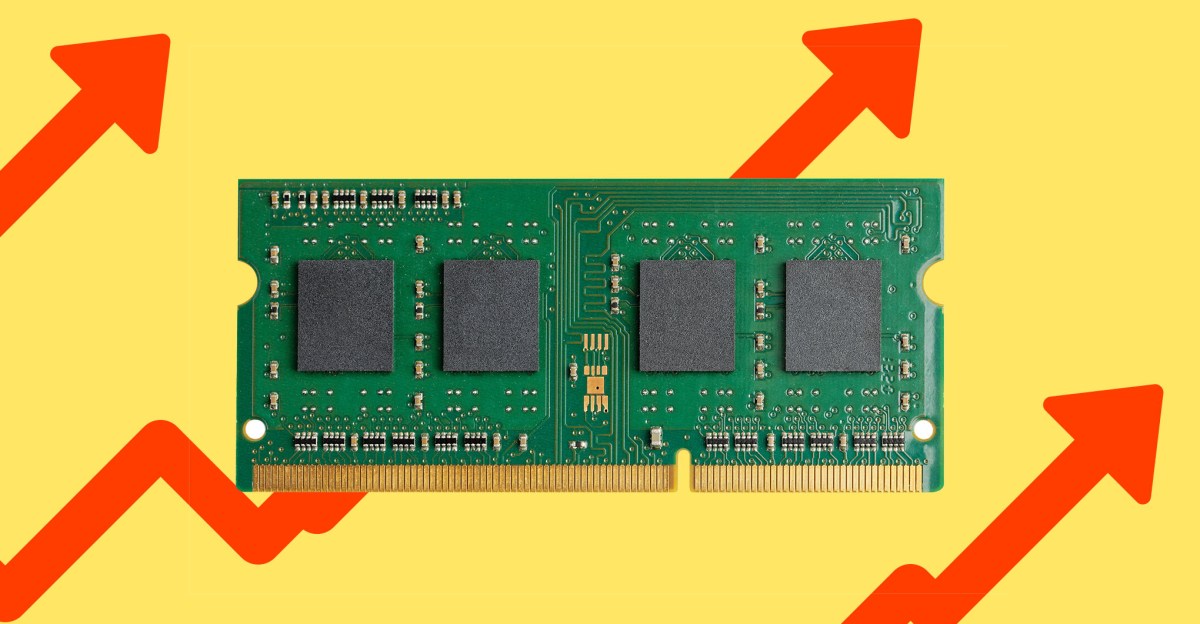
NEWS Updated Today, Jan 15, 2026, 1:35 PM UTC RAM price hikes: the latest on the global memory shortage by Emma Roth 0 0 Comments Random access memory, or RAM,…
Sources
- RAM price hikes: the latest on the global memory shortage
- Global Memory Shortage Crisis: Market Analysis and the …
- AI memory is sold out, causing an unprecedented surge in …
- The RAM shortage's silver lining: Less talk about “AI PCs”
Related posts
- The 500k-ton Typo: Why Copper Math for 1 GW Data Centers Doesn’t Add Up
- Spotify raises US Premium price by about 8%, investors respond positively
- 9 Best Blind Boxes to Buy Online: Bag Charms, Plush Pendants, and More