
TL;DR
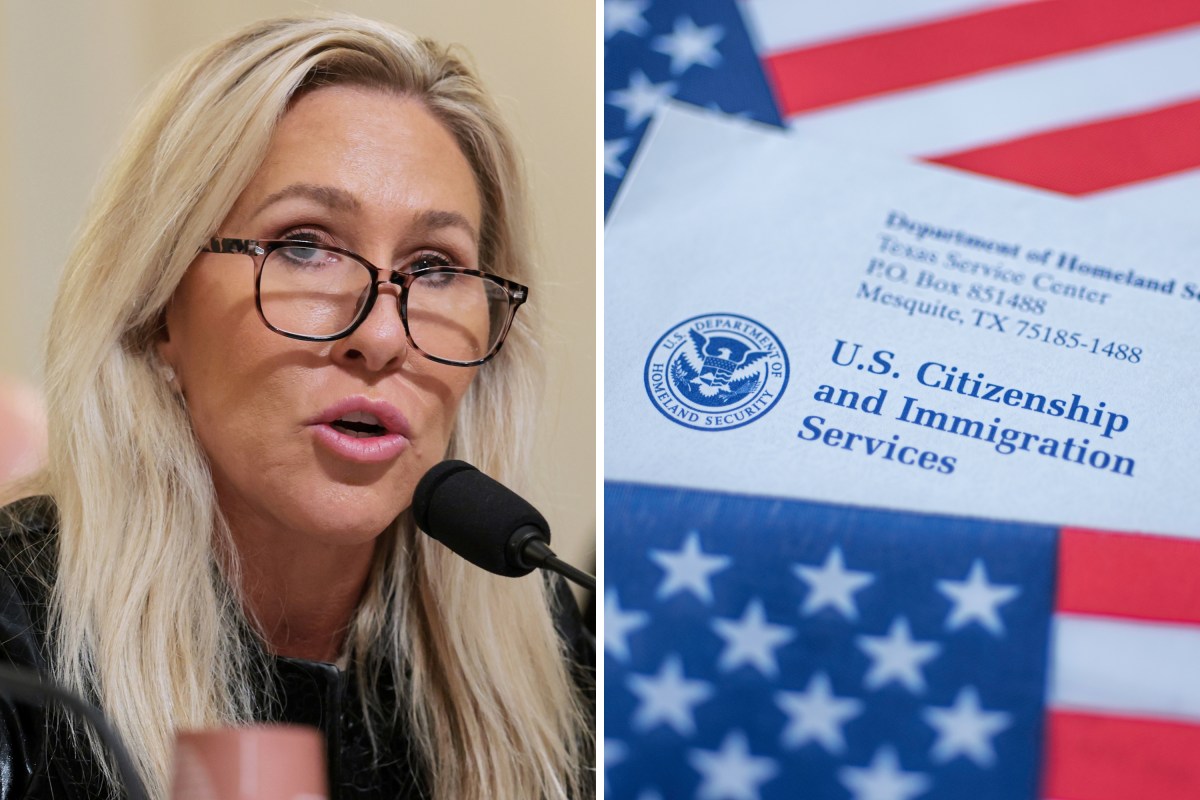
Representative Marjorie Taylor Greene introduced legislation seeking to eliminate the H-1B visa program as one of her final measures in Congress. The proposal arrives amid a broader federal push to tighten H-1B rules, legal fights over a new fee, and planned regulatory changes to the H-1B lottery.
What happened
Records show Representative Marjorie Taylor Greene submitted a bill intended to abolish the H-1B visa program, which allows U.S. employers to sponsor skilled foreign workers. The measure was one of two bills she filed in her final days in office; the other would require photo identification and proof of U.S. citizenship for federal voting. Greene left Congress after serving as the representative for Georgia’s 14th district. Her proposed ban follows earlier statements calling for an end to H-1B use by certain industries. The filing comes against a backdrop of recent executive and regulatory actions: the administration ordered a $100,000 application fee for new H-1B petitions and faces legal challenges over that change; the State Department added social-media screening for applicants; and the Department of Homeland Security has finalized rules to weight H-1B lottery selections toward higher-paid workers beginning in 2027. Greene’s amendment has been referred to relevant House committees for review.
Why it matters
- Ending the H-1B program would remove a primary pathway U.S. employers use to hire specialized foreign talent in fields such as technology, engineering and medicine.
- The proposal intensifies an ongoing policy debate over how immigration rules intersect with U.S. labor markets, national competitiveness and party politics.
- It escalates pressure on an already contested policy environment that includes a newly imposed $100,000 application fee and pending court challenges.
- Regulatory changes and expanded vetting by federal agencies mean the H-1B program’s operation and access are being reshaped independent of this bill.
Key facts
- Representative Marjorie Taylor Greene of Georgia introduced the bill to eliminate the H-1B program and another bill on voter ID requirements.
- The H-1B program typically issues 85,000 new visas each year, including 20,000 reserved for holders of advanced U.S. degrees.
- Demand for H-1B visas regularly exceeds supply, leading to an annual lottery process.
- In September, the administration ordered a $100,000 application fee for new H-1B visas; that policy is the subject of ongoing legal action.
- A federal judge allowed the administration to proceed with the $100,000 fee, and the U.S. Chamber of Commerce has filed an appeal.
- A coalition of 20 states has challenged the fee’s legality under the Administrative Procedure Act, arguing procedural flaws.
- The State Department recently expanded vetting by requiring certain H-1B applicants and dependents to make social media accounts publicly accessible.
- The Department of Homeland Security finalized rules to change the H-1B lottery starting in 2027, prioritizing higher-paid workers within occupations.
- Greene’s amendment was referred to the House Judiciary Committee, and also to the Energy and Commerce and Ways and Means committees.
What to watch next
- Progress and any hearings on Greene’s bill in the House Judiciary, Energy and Commerce, and Ways and Means committees.
- Results of legal appeals and challenges related to the $100,000 H-1B application fee, including the U.S. Chamber of Commerce appeal and state-led suits.
- Implementation of DHS’s 2027 H-1B lottery changes and the practical effects of the State Department’s expanded social-media screening.
Quick glossary
- H-1B visa: A U.S. nonimmigrant visa category that allows employers to temporarily hire foreign workers in specialty occupations requiring technical or theoretical expertise.
- Visa lottery: A randomized selection process used when demand for a set number of visa slots exceeds the available supply.
- Administrative Procedure Act (APA): U.S. federal law that governs the process by which federal agencies develop and issue regulations, including requirements for notice and comment.
- Department of Homeland Security (DHS): A federal department responsible for public security, including immigration enforcement and visa policy implementation.
Reader FAQ
Who introduced the bill to eliminate the H-1B program?
Representative Marjorie Taylor Greene introduced the bill.
Will the H-1B program end if the bill was introduced?
Not confirmed in the source.
Has the administration changed H-1B rules recently?
Yes. The administration ordered a $100,000 application fee, the State Department expanded social-media vetting, and DHS finalized new lottery rules taking effect in 2027.
How many new H-1B visas are issued each year?
The program issues 85,000 new H-1B visas annually, including 20,000 for holders of advanced U.S. degrees.
By Billal Rahman Immigration Reporter 5 Share Newsweek is a Trust Project member A bill that would "eliminate the H-1B program," which helps U.S. companies hire highly skilled foreign workers,…
Sources
Related posts
- Google to publish AOSP source twice yearly, a setback for custom ROMs
- Vietnam moves to ban unskippable ads with 5-second skip rule in decree
- Why Most Small Business Sites Don’t Actually Need Cookie Banners