
TL;DR
An industry report says Samsung SDI is experimenting with a dual-stack silicon‑carbon battery that combines 12,000mAh and 8,000mAh cells for a 20,000mAh total. Early tests delivered long run times but showed cell swelling and other longevity problems during roughly a year of cycling.
What happened
According to a report that cites a source on X, Samsung's battery unit, Samsung SDI, has been prototyping a stacked silicon‑carbon battery that pairs a 12,000mAh cell with an 8,000mAh cell to reach a combined 20,000mAh capacity. Engineers ran the pack through an extended trial—about a year and roughly 960 charge cycles—during which the smaller cell swelled from about 4mm to 7.2mm, a form of degradation the report calls a longevity failure. The same testing period reportedly produced up to 27 hours of screen‑on time per charge. The work appears aimed at substantially increasing handset battery capacity by accepting a thicker cell profile, but the swelling issue indicates further development is required before such a design could be considered production‑ready. The report also notes industry context: competitors have been moving toward silicon‑carbon chemistries while recent Samsung flagships still use lithium‑ion cells.
Why it matters
- A successful 20,000mAh phone battery would dramatically extend real‑world device run time, potentially enabling multi‑day usage between charges.
- Stacked silicon‑carbon designs could shift packaging and industrial design priorities by trading added thickness for higher capacity.
- Cell swelling and longevity problems highlight technical and safety hurdles that must be resolved before mass deployment.
- If Samsung SDI commercializes the design, it could supply larger batteries to Samsung devices and to other manufacturers who source cells from SDI.
Key facts
- Source: AndroidHeadlines report citing a post on X; coverage summarized by Android Police.
- Samsung SDI is reportedly testing a dual‑stack silicon‑carbon battery made from two cells: a 12,000mAh unit and an 8,000mAh unit.
- Combined capacity of the stacked cells is reported as 20,000mAh.
- Test regime lasted roughly one year, with about 960 charge cycles reported.
- During testing the 8,000mAh cell swelled from around 4mm to 7.2mm, described as a longevity failure.
- The prototype pack reportedly delivered about 27 hours of screen‑on time per charge in the trials.
- Samsung's recent flagship phones such as the Galaxy S25 Ultra and S25 Edge still use lithium‑ion cells, per the report.
- Competitors like OnePlus and Honor have been experimenting with silicon‑carbon battery chemistries, providing industry context.
What to watch next
- Whether Samsung SDI can resolve the cell swelling and other longevity issues in further testing — not confirmed in the source.
- If and when Samsung chooses to integrate a dual‑stack silicon‑carbon pack into a consumer device — not confirmed in the source.
- Whether Samsung will offer the larger cells to other handset makers or keep them for its own devices — not confirmed in the source.
Quick glossary
- Silicon‑carbon battery: A lithium‑ion battery variant that substitutes or augments graphite anodes with silicon or silicon compounds to increase capacity.
- Dual‑stack: A battery architecture where two cells are stacked together to increase total energy capacity within a single module.
- mAh (milliampere‑hour): A unit of electric charge commonly used to describe a battery's energy storage capacity; higher mAh generally indicates longer potential runtime.
- Cell swelling: An increase in a battery cell's thickness caused by chemical or mechanical changes, often associated with degradation and reduced longevity.
- Lithium‑ion: A widely used rechargeable battery chemistry in consumer electronics known for its energy density and established manufacturing supply chains.
Reader FAQ
Has Samsung confirmed it will produce a 20,000mAh phone battery?
Not confirmed in the source; the report describes testing by Samsung SDI but no official product announcement is noted.
Did the prototype pass longevity testing?
No—tests reportedly showed the 8,000mAh cell swelled from about 4mm to 7.2mm over the trial, signaling a longevity problem.
How much runtime did the prototype deliver?
The report says the tested pack provided roughly 27 hours of screen‑on time per charge during the trial.
Will this battery appear in current Galaxy S25 models?
Not confirmed in the source.
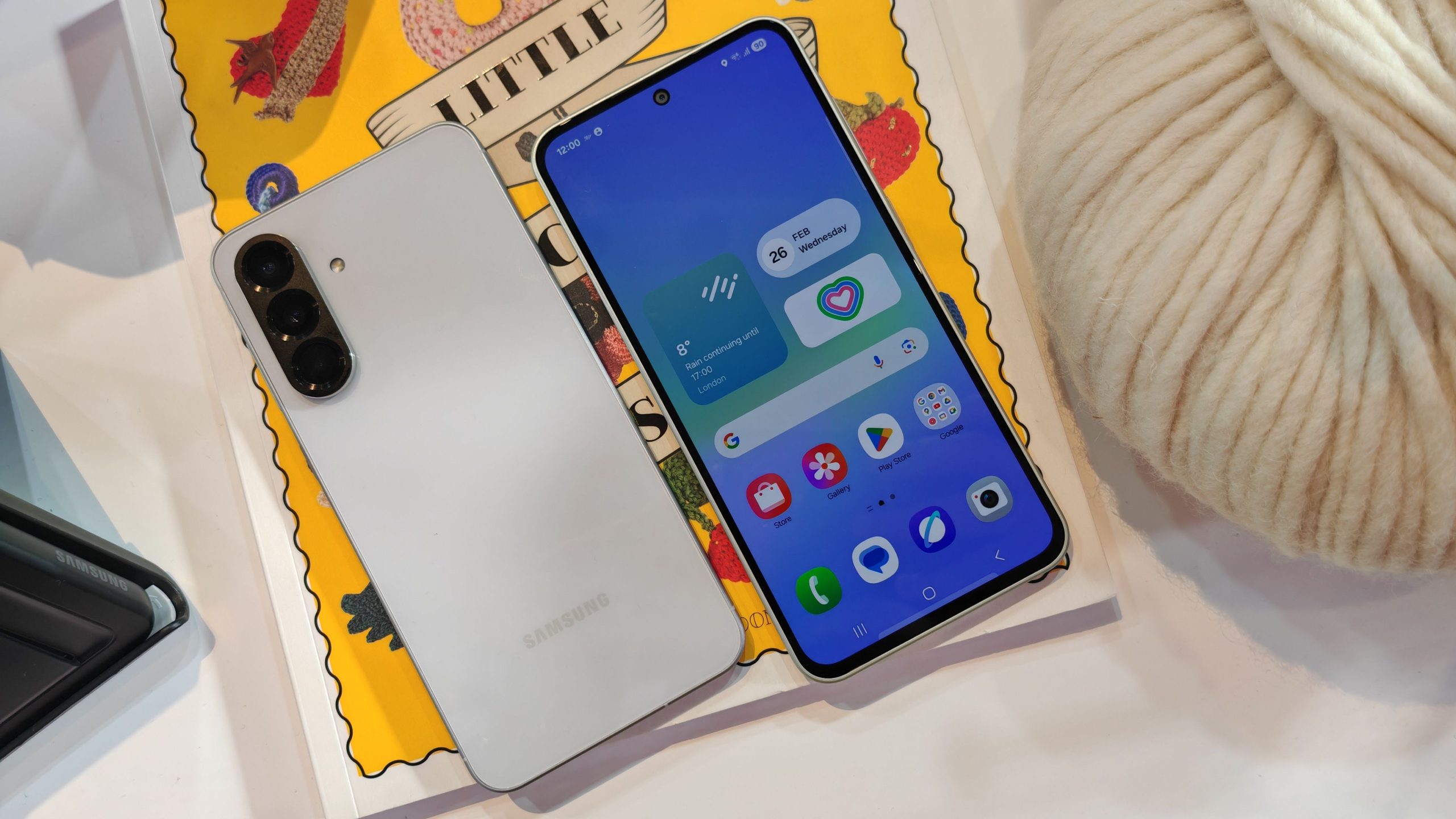
Samsung might be working on a 20,000mAh battery By Karandeep Singh Oberoi Published 19 minutes ago Karandeep Singh Oberoi is a Durham College Journalism and Mass Media graduate who joined…
Sources
- Samsung might be working on a 20,000mAh battery
- Samsung Has Rejected A DRAM Supply Request For Its …
- Wccftech (@wccftech) • Threads, Say more
- Samsung Unveils Next-Gen NAND Flash: 96% Less Power …
Related posts
- After three months with the Apple Watch Ultra 3: Is it worth $799?
- Beats’ Powerbeats Fit earbuds fall to $180 — redesigned wing-tip model
- Experimental Carnegie Mellon camera lens can focus every object at once