
TL;DR
A global memory-chip shortage is expected to push smartphone prices up in 2026, with entry-level devices most exposed. Analysts say higher DRAM and flash costs, driven by capacity being allocated to AI servers and GPUs, could force market contraction and prompt consolidation among smaller vendors.
What happened
Industry analysts warn that a memory-chip shortage will lift component costs and squeeze smartphone makers in 2026, with budget models suffering most. After modest growth in 2025—Omdia reported roughly 1.25 billion shipments—chipmakers have prioritized production for high-value AI server and GPU components, reducing capacity available for commodity memory used in phones. IDC estimates average device prices could rise about 6–8 percent and says the shortage’s duration will determine how far the market contracts; its central forecast is a 2.9 percent decline in 2026, with a downside scenario of a 5.2 percent fall. Memory accounts for a larger portion of bill-of-materials in lower-tier devices, leaving low-end vendors little choice but to raise prices, cut specs, or both. Vendors are pursuing scale, long-term supplier deals and tighter configurations, and early consolidation is already visible as smaller brands seek greater scale to manage rising costs.
Why it matters
- Low-margin budget phones are most exposed because memory comprises a higher share of their bill of materials.
- Industry-wide price pressure could shrink overall smartphone shipments and raise average selling prices.
- Chipmakers prioritizing AI and GPU demand is reshaping supply availability for consumer devices.
- Smaller vendors may need to merge or exit to achieve scale and absorb higher component costs.
Key facts
- Omdia reported global smartphone shipments of about 1.25 billion units in 2025.
- IDC forecasts average device prices may rise roughly 6–8 percent due to memory cost increases.
- Memory can represent about 15–20 percent of the bill of materials for mid-range devices, and about 10–15 percent for flagship devices, per IDC.
- IDC’s baseline expects the smartphone market to contract 2.9 percent in 2026; a pessimistic scenario projects a 5.2 percent decline.
- Chipmakers are allocating production capacity preferentially to higher-value AI server and GPU components, reducing supply for commodity memory.
- Vendors are responding with long-term supplier partnerships, scaling to secure capacity, tighter configurations, and channel incentives like trade-ins.
- Analysts point to early consolidation moves, noting Realme’s reintegration under OPPO as an example of brands seeking scale.
What to watch next
- How long the memory shortage persists — IDC says duration will determine the extent of any market contraction.
- Further consolidation among smaller smartphone brands as they seek scale to manage rising component costs.
- Whether vendors increase prices across tiers or opt to trim specifications on new models instead.
- not confirmed in the source
Quick glossary
- DRAM: A type of volatile memory used in computers and smartphones for working data and application performance.
- Flash memory: Non-volatile storage used in phones and other devices to hold the operating system, apps, and user data.
- Bill of materials (BOM): A list of components and their costs that together make up the hardware of a device.
- Average selling price (ASP): The average price at which devices are sold, typically used to assess market-level pricing trends.
Reader FAQ
Will smartphone prices rise in 2026?
Analysts expect average prices to increase; IDC estimates a roughly 6–8 percent rise linked to memory cost increases.
Are budget phones going to disappear?
The source says budget vendors are under severe pressure and may merge or exit, but it does not confirm widespread disappearance.
Will flagship phones get more memory this year?
The source indicates new flagships are less likely to increase memory compared with prior models and buyers should not expect many discounts.
How long will the memory shortage last?
not confirmed in the source
What should consumers do right now?
not confirmed in the source
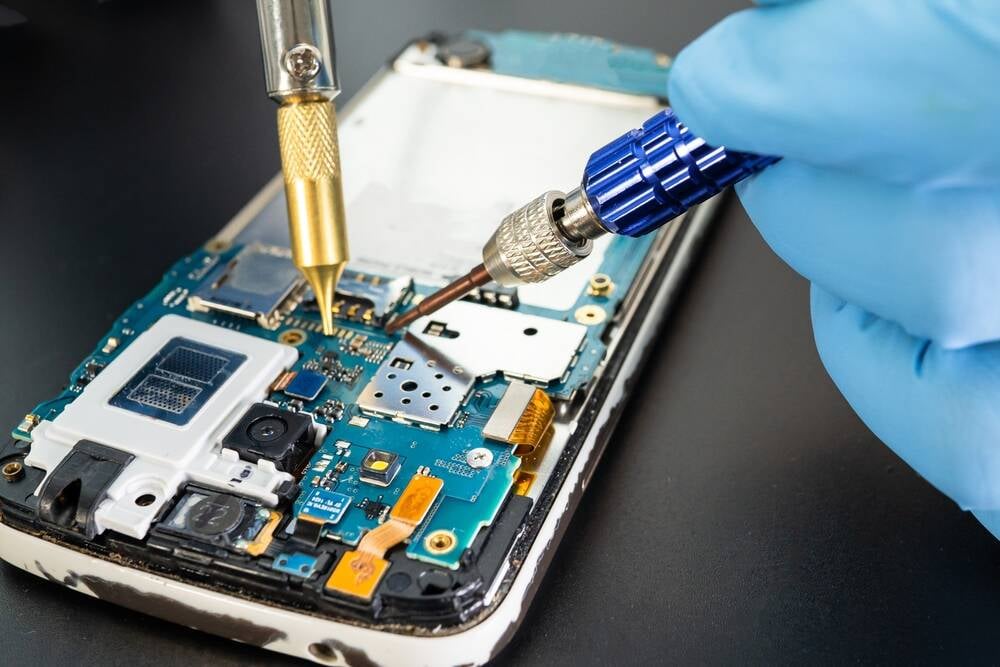
PERSONAL TECH Budget smartphones will be hit hardest as memory prices rise When margins are this tight, mergers might follow Dan Robinson Thu 15 Jan 2026 // 14:38 UTC The memory shortage is forecast…
Sources
- Budget smartphones will be hit hardest as memory prices rise
- Global Memory Shortage Crisis: Market Analysis and the …
- Nothing's CEO reveals why smartphones are about to get …
Related posts
- Spotify raises U.S. individual subscription price to $12.99 a month
- One year using Linux: how I stopped missing Windows and stuck with it
- All four Matrix films on 4K Blu-ray are now $45 at Walmart — sale