
TL;DR
iRobot, maker of the Roomba robot vacuum, has filed for Chapter 11 bankruptcy as its business failed to reach sustained profitability. The company and observers point to a mix of technical limits, supply and market pressures, competition from low-cost copies, and stalled M&A as factors.
What happened
iRobot — the long-running maker of the Roomba robot vacuum — entered Chapter 11 bankruptcy, leaving its future uncertain as a Chinese manufacturing partner and creditor is positioned to examine assets and claims. The company ran a well-known brand and two decades of product development but was unable to generate lasting profits. Leadership cited headwinds including shipping delays, cautious consumers, tariff costs and other market pressures; outside commentary also pointed to competition from inexpensive knock-offs. The story highlights a clash between the promises of consumer robotics and real-world constraints: robot vacuums are mechanically and electronically complex, rely on lithium batteries, and often have far shorter service lives than simpler, long-lived cylinder vacuums. iRobot once pursued a sale to Amazon that did not complete because of regulatory opposition, which left the company to navigate a hard market for smart-home appliances and investor skepticism about consumer robotics.
Why it matters
- The Chapter 11 filing underscores the difficulty of turning advanced consumer robotics into a profitable, long-lived appliance.
- A creditor with manufacturing ties being positioned to take control may reshape how hardware makers work with overseas partners.
- The case highlights a limits-versus-hype gap for AI-powered domestic devices and could temper investor enthusiasm for similar consumer robotics bets.
- Stalled M&A attempts and regulatory scrutiny can leave companies vulnerable if promised exits do not materialize.
Key facts
- iRobot has filed for Chapter 11 bankruptcy.
- A Chinese manufacturing partner, also a creditor, is reported to be poised to examine the company's assets and claims.
- Roomba has been on the market for more than two decades and built strong brand recognition.
- iRobot cited factors including shipping delays, consumer timidity and tariffs for its business struggles.
- Observers also cited competition from low-cost knock-offs as a pressure on iRobot's margins.
- Robot vacuums are mechanically more complex than traditional cylinder vacuums and may fail after a few years of heavy use.
- Traditional cylinder vacuums typically last beyond a decade, according to the reporting.
- iRobot previously pursued a sale to Amazon that did not complete because of regulatory opposition.
- Retail availability of 'smart' appliances beyond lights and plugs appears limited on major platforms, per the reporting.
What to watch next
- Whether the Chinese manufacturing partner/creditor moves to acquire iRobot's assets or parts of the business (source reports the partner is 'poised to pick over the bones').
- How Chapter 11 proceedings resolve ownership, intellectual property and warranty liabilities — not confirmed in the source.
- Whether investor appetite for consumer-facing robotics shifts materially after iRobot's restructuring — not confirmed in the source.
Quick glossary
- Chapter 11: A US bankruptcy process that allows a company to reorganize its debts and operations while continuing to operate under court supervision.
- Smart home: A residence equipped with internet-connected devices that can be controlled remotely or automated, such as lights, plugs, or thermostats.
- Lithium battery: A rechargeable battery chemistry commonly used in portable electronics and many modern appliances; it can affect product life and maintenance requirements.
- Robot vacuum: An automated, usually cylindrical or disc-shaped, vacuum cleaner that navigates and cleans floors with varying degrees of autonomy and sensor support.
- Regulatory opposition: Actions or objections by government authorities that can block or delay proposed corporate transactions such as mergers or acquisitions.
Reader FAQ
Has iRobot filed for bankruptcy?
Yes. The company has filed for Chapter 11 bankruptcy.
Will Amazon own iRobot now?
iRobot had previously pursued a sale to Amazon that did not complete because of regulatory opposition; whether Amazon will acquire assets now is not confirmed in the source.
What caused Roomba's commercial problems?
Sources in the report attribute iRobot's difficulties to a combination of shipping delays, consumer caution, tariffs, competition from low-cost knock-offs, and real-world limits of the products themselves.
Will the Chinese manufacturing partner buy iRobot?
The source says the Chinese manufacturing partner-cum-creditor is poised to review assets and claims, but a purchase is not confirmed in the source.
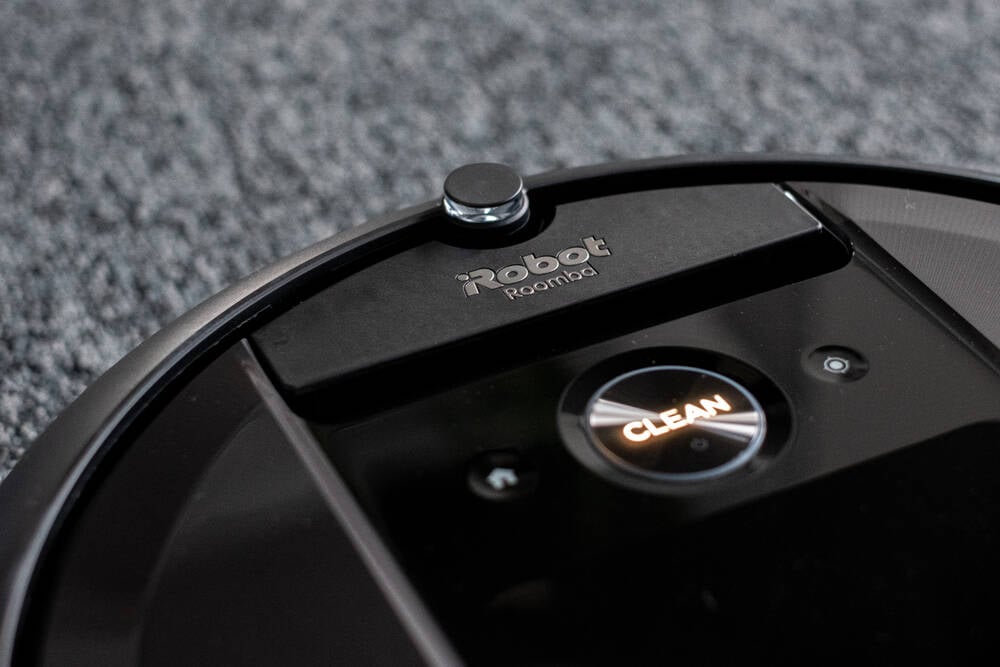
AI + ML 112 The Roomba failed because it just kind of sucked Something messy happens when the cat hairs of reality meet the shiny hype of smart tech Rupert…
Sources
- The Roomba failed because it just kind of sucked
- iRobot's bankruptcy could change your Roomba forever
- What the iRobot bankruptcy means for Roomba owners
- How iRobot lost its way home
Related posts
- ServiceNow to buy Armis for $7.75B to embed real-time security data
- Microsoft holiday jumper featuring Clippy and Internet Explorer upsets newborn
- Garmin’s Autoland guides Beechcraft to automated emergency landing in Colorado