
TL;DR
A US International Trade Commission ruling in favor of Oura over patent 178 has blocked new imports of some rival smart rings, including Ultrahuman’s, into the United States. Ultrahuman says existing customers will keep app access and the company is focusing on software services and new features while the hardware sales pause continues.
What happened
In late 2025 the US International Trade Commission found that several competing devices infringed Oura’s patent number 178, a broadly worded patent covering a layered smart‑ring hardware form factor. The ITC decision has prevented RingConn and Ultrahuman from importing new rings into the United States since October 21, 2025. The ruling interrupted Ultrahuman’s US plans, including an intended expansion of local manufacturing. Ultrahuman’s leadership emphasizes intellectual‑property considerations and says its existing US users will continue to receive device data and new app features because the ITC order does not cover software. At CES the company announced expansion of its app services — including a free entry‑level Blood Vision blood panel that covers 20 biomarkers and a PowerPlugs feature store to let users customize tracked metrics. Oura, meanwhile, has pursued licensing agreements with some rivals, introduced new ceramic ring models and said it will build manufacturing capacity tied to an enterprise customer.
Why it matters
- A patent ruling has materially reduced the number of smart rings legally available for purchase in the US, limiting consumer choice.
- Hardware restrictions shift companies’ competitive focus toward software, services and biomarker offerings that aren’t covered by the import ban.
- Patent enforcement and licensing deals are shaping which firms can remain active in the US market, affecting pricing and product variety.
- Feature expansion (more biomarkers) increases device workload and can shorten battery life, making customization tradeoffs more important.
Key facts
- The US International Trade Commission ruled in favor of Oura regarding patent 178, a hardware form‑factor patent for smart rings.
- RingConn and Ultrahuman were barred from importing new rings into the US effective October 21, 2025.
- Ultrahuman’s ring model does not require a subscription; Oura charges a monthly fee for some services (reported as $6/month in the source).
- Ultrahuman says current US device owners will continue to receive app insights because the ITC decision does not govern software.
- At CES Ultrahuman made its entry‑level Blood Vision blood panel free; that panel checks 20 biomarkers (as described by the company).
- Ultrahuman also introduced PowerPlugs, an app‑store style feature system that lets users select which metrics the ring tracks.
- Oura has pursued licensing agreements with several competitors in recent years and has introduced new hardware and manufacturing plans tied to an enterprise customer.
- Other industry legal moves include a dismissed preemptive suit from Samsung and further complaints filed by Oura against multiple manufacturers in late 2025.
What to watch next
- Whether competing brands develop redesigned ring hardware that avoids patent 178 and can be reintroduced to the US market — the industry has suggested new designs could emerge.
- Additional licensing agreements or settlements that would allow other manufacturers to resume US imports.
- Whether Ultrahuman will restart US hardware sales or proceed with planned manufacturing expansion in the US — not confirmed in the source.
Quick glossary
- International Trade Commission (ITC): A US federal agency that can investigate unfair trade practices and issue orders restricting imports into the United States.
- Patent: A government grant that gives an inventor exclusive rights to make, use, or sell an invention for a limited period, enforceable through legal and administrative actions.
- Biomarker: A measurable biological indicator, such as a blood analyte, used to assess health status or disease risk.
- Import ban: A legal restriction preventing the entry of certain products into a country, often resulting from trade or patent enforcement actions.
- Subscription model: A business approach where customers pay a recurring fee to access services, data, or software features tied to a product.
Reader FAQ
Can I still use an Ultrahuman ring I already own in the US?
Yes. Ultrahuman says existing US users will continue to receive app insights and new software features; the ITC order does not apply to software.
Why were some smart rings banned from import?
The ITC found that certain competitors infringed Oura’s patent 178, a patent covering a particular layered ring hardware design.
Will Ultrahuman charge a subscription for its ring features?
Ultrahuman’s ring is described in the source as subscription‑free; the company has emphasized free app services for users.
When will competing rings be back on sale in the US?
Not confirmed in the source.
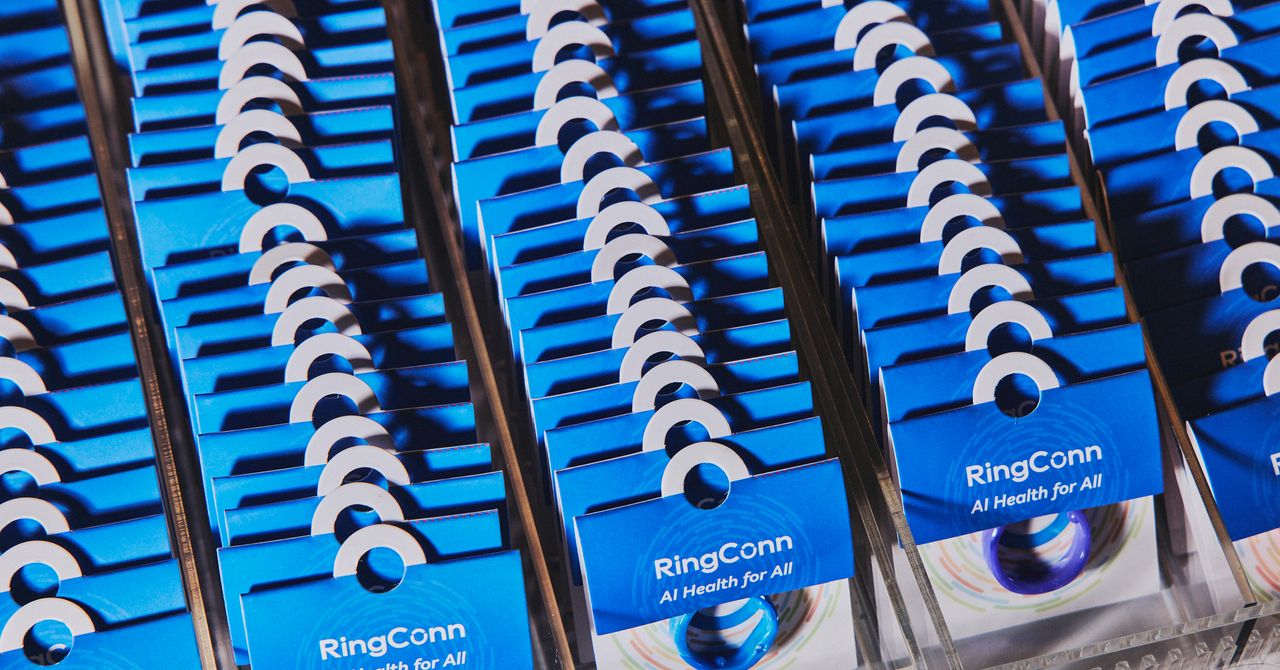
ADRIENNE SO GEAR JAN 7, 2026 2:19 PM What's Going on With Smart Rings? Ultrahuman smart rings currently can’t be sold in the US. We caught up with the company’s…
Sources
- What's Going on With Smart Rings?
- CIRCLES of Truth? (Part 2 of 5). CES Prologue: The Smart …
- Oura & Ultrahuman trade blows, Google Pixel Watch 4 is …
- Oura Is Suing More Smart Ring Makers
Related posts
- Texas A&M orders professor to drop Plato passages and race/gender material
- Documents Show Sugar Industry Pushed Focus on Saturated Fat Over Sugar
- Illinois says mapping error exposed personal data of over 600,000 patients