
TL;DR
Alabama enacted a 10 percent tax on porn last year, and lawmakers in Utah and Pennsylvania are pursuing similar measures. These proposals come amid a wave of age-verification laws—already in place in roughly half the states—that advocates say are reshaping the adult industry and sparking free-speech and constitutional concerns.
What happened
Lawmakers in several conservative-leaning states have moved to target online pornography with new financial and regulatory measures. Alabama enacted a 10 percent tax on porn last year, and a Utah legislator has introduced a bill aimed at taxing porn sites that operate in the state. Pennsylvania lawmakers are also considering comparable proposals. These actions arrive against the backdrop of a rapid expansion of age-verification requirements: about half of U.S. states have adopted laws intended to keep minors from accessing adult content. Supporters frame taxation and verification rules as tools to restrict minor access and regulate an online industry; critics counter that the measures could suppress lawful speech and prompt constitutional legal challenges. The debate links state-level tax and regulatory experiments to broader questions about how the internet is governed and where free-speech limits might be drawn.
Why it matters
- State-level taxes and regulations could reshape the economics and operation of online adult platforms.
- Age-verification laws and new taxes intersect with free-speech concerns and may prompt court challenges.
- A patchwork of state rules could complicate compliance for internet companies operating nationwide.
- Legislative momentum in multiple states signals a growing policy focus on regulating online sexual content.
Key facts
- Alabama passed a 10 percent tax on porn last year.
- A Utah lawmaker recently proposed a bill to impose a tax on porn sites operating in the state.
- Pennsylvania is reportedly considering similar bills aimed at taxing porn-related activity.
- About half of U.S. states have enacted age-verification laws intended to prevent minors from viewing pornography.
- Critics argue that state-level porn taxes and related controls may be unconstitutional.
- Advocates of age verification and taxation say the measures limit minors' access to adult content.
- Reporting originated in a Wired story published January 9, 2026.
What to watch next
- Progress of the Utah bill through the state legislature (not confirmed in the source).
- Whether Pennsylvania moves forward with the porn tax proposals and what form those bills take (not confirmed in the source).
- The emergence of lawsuits challenging taxes or verification rules on constitutional grounds (not confirmed in the source).
Quick glossary
- Age-verification law: A legal requirement for websites to verify that users are adults before granting access to explicit material.
- Porn tax: A state-imposed tax or surcharge applied to revenues or sales related to adult-content services or sites.
- Constitutional challenge: A legal claim that a law violates rights protected by the Constitution, often brought in federal court.
- Free speech: The principle protecting individuals' rights to express ideas and information, as secured by the First Amendment in the U.S.
Reader FAQ
What did Alabama do?
Alabama passed a 10 percent tax on porn last year.
Are other states considering similar taxes?
Lawmakers in Utah and Pennsylvania are reported to be pursuing comparable bills.
Have states acted on age verification?
About half of U.S. states have enacted age-verification laws to restrict minors' access to porn.
Are these taxes already ruled unconstitutional?
Critics say they may be unconstitutional, but definitive court rulings are not confirmed in the source.
Who proposed the Utah bill?
Not confirmed in the source.
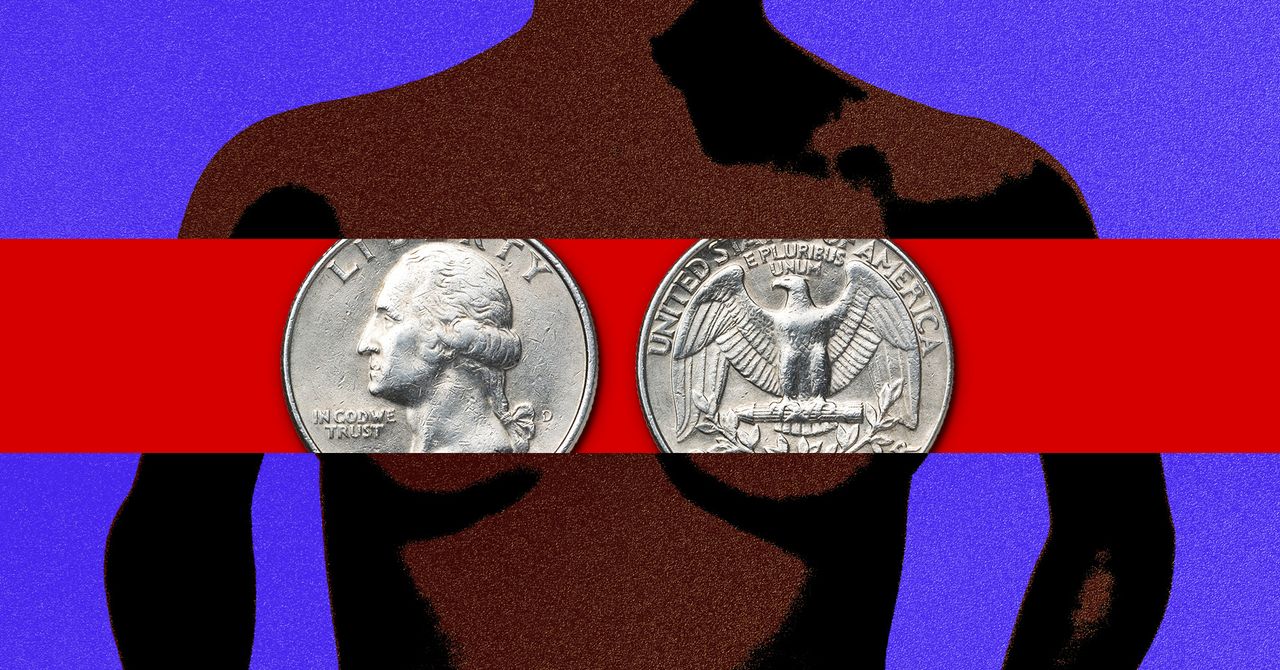
JASON PARHAM CULTURE JAN 9, 2026 7:00 AM Conservative Lawmakers Want Porn Taxes. Critics Say They’re Unconstitutional Alabama passed a 10 percent porn tax last year, as Utah and Pennsylvania…
Sources
- Conservative Lawmakers Want Porn Taxes. Critics Say They’re Unconstitutional
- Porn taxes tempt, but face 1st Amendment issues
- Constitutional Concerns Arise Over Internet Porn Tax
- Sex Panic: New York Bill Attempts To Spread Anti-Porn Myths
Related posts
- Jennifer Doudna’s New Startup Aims to Commercialize Tailored CRISPR Therapies
- European Commission opens call for evidence to shape EU open source strategy
- No Fakes Act’s ‘fingerprinting’ clause risks crippling open-source projects