
TL;DR
Decades of rodent research indicate that a father's recent diet, exercise and stress can alter RNA content in his sperm and influence offspring development. The evidence is strongest in mice; some similar sperm RNAs have been observed in exercised men, but the detailed mechanisms and human consequences remain unresolved.
What happened
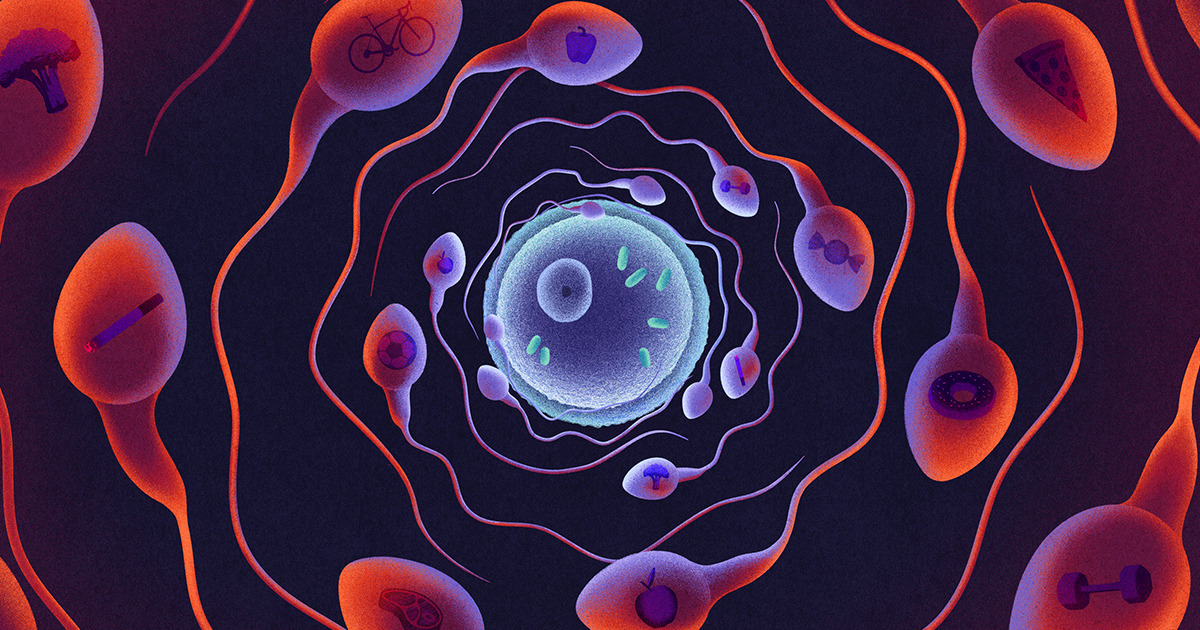
Researchers reviewing more than 15 years of work have compiled mounting evidence that sperm deliver more than DNA to an egg. Studies in mice show that environmental factors such as diet, exercise, stress and nicotine exposure change the profile of RNAs packaged into sperm. Those sperm RNAs, particularly microRNAs and other regulatory RNA species, have been linked to altered gene expression in early embryos and to metabolic or behavioral traits in the next generation. A November 2025 paper in Cell Metabolism traced how paternal exercise reshaped sperm microRNAs that target genes tied to mitochondrial function and metabolism in embryos; related RNAs were also found at higher levels in the sperm of exercised men. Despite these findings, leading researchers emphasize that the molecular route by which transient RNAs in sperm can durably reprogram embryonic gene regulation is still poorly understood, and translating mouse results to humans is an active challenge.
Why it matters
- Suggests a non-DNA route by which parental experiences could influence offspring biology.
- Reframes paternal contributions to development beyond delivery of genetic sequence.
- Could affect public health thinking about preconception paternal behavior if findings translate to humans.
- Highlights gaps in understanding of early embryonic gene regulation and intergenerational signaling.
Key facts
- Traditional view: sperm primarily deliver DNA; eggs supply most cellular components to a zygote.
- Multiple independent mouse studies report that paternal diet, exercise, stress or nicotine exposure change offspring metabolism or behavior.
- Sperm contain various RNA molecules (including microRNAs and long noncoding RNAs) that reflect recent gene activity.
- Some RNAs can persist longer than previously thought, enabling a potential signaling role after fertilization.
- A November 2025 Cell Metabolism study linked paternal exercise to sperm microRNAs targeting mitochondrial and metabolic genes in embryos.
- That study also noted similar RNAs were elevated in sperm from exercised human men, though causality in humans is not established in the source.
- Researchers (including Qi Chen, Colin Conine and Oliver Rando) acknowledge robust phenotypic evidence but say the mechanistic chain from paternal experience to embryonic regulation is not yet worked out.
- Epigenetics refers to heritable changes in gene expression that do not alter DNA sequence; RNA-mediated effects are a possible epigenetic mechanism discussed in the research.
What to watch next
- Ongoing mechanistic work to trace how sperm RNAs could alter embryonic gene regulation (active research; details not yet resolved).
- Further human studies testing whether the RNAs observed in exercised men causally affect offspring health — not confirmed in the source.
- Long-term and multigenerational effects of paternal RNA signals in humans and their public-health implications — not confirmed in the source.
Quick glossary
- Epigenetics: Biological processes that affect gene activity and expression without changing the underlying DNA sequence.
- microRNA: Small RNA molecules that regulate gene expression by binding to other RNAs and reducing their translation or stability.
- Sperm RNA: RNA molecules present in sperm cells that can include regulatory species such as microRNAs and long noncoding RNAs.
- Zygote: A fertilized egg cell formed when a sperm and an egg unite; the earliest developmental stage of an embryo.
- Long noncoding RNA (lncRNA): A class of RNA transcripts longer than typical regulatory RNAs that can influence gene expression and chromatin state.
Reader FAQ
Do these findings mean a father's DNA is changed by his lifestyle?
No. The research discusses non-DNA signals (RNA and other epigenetic factors) carried in sperm, not alterations to DNA sequence.
Are the effects proven in humans?
Most evidence comes from mice; the source notes similar RNAs were found in sperm of exercised men but does not establish causal effects in humans.
Do scientists know how sperm RNA reprograms embryos?
Not yet. Researchers report compelling phenotypic links but say the precise molecular mechanisms remain unresolved.
Does the mother still provide most resources to the embryo?
Yes. The egg contributes far more cytoplasm, organelles and initial developmental machinery than a sperm, according to the source.
Home How Dad’s Fitness May Be Packaged and Passed Down in Sperm RNA EPIGENETICS How Dad’s Fitness May Be Packaged and Passed Down in Sperm RNA By IVAN AMATO December…
Sources
- Fathers’ choices may be packaged and passed down in sperm RNA
- Well-exercised male mice appear to pass fitness to their …
- Paternal exercise confers endurance capacity to offspring …
- Exercise alters mouse sperm small noncoding RNAs and …
Related posts
- How Functional Programming and ADTs Improve Reliability in Critical Systems
- How a Father’s Fitness Might Be Packaged in Sperm RNA and Inherited
- What 4M Hacker News Posts Reveal About How Stories Go Viral and Timing