
TL;DR
A new analysis matching survey responses with household transaction records finds that within six months of starting a GLP-1 medication households cut grocery spending by an average of 5.3%, with larger declines among higher-income households. Spending at fast-food and other limited-service restaurants also fell by roughly 8%; some category-level shifts (big cuts in ultra-processed snacks, small rises in yogurt and fresh fruit) were observed.
What happened
Researchers combined repeated surveys about GLP-1 receptor agonist use with detailed purchase records from a nationally representative panel tracked by market research firm Numerator to examine how adoption of drugs such as Ozempic and Wegovy relates to household food purchases. Comparing households that began taking GLP-1s with similar non-adopters, the team found that grocery expenditures dropped an average of 5.3% within six months of starting a medication. The decline was larger among higher-income households (more than 8%). Spending at limited-service restaurants—including fast-food outlets and coffee shops—fell by about 8%. The pattern of reductions was concentrated in ultra-processed, calorie-dense categories: savory snacks fell around 10%, and similar drops occurred for sweets, baked goods and cookies; even some staples like bread, meat and eggs declined. A small set of categories increased modestly (yogurt, fresh fruit, nutrition bars and meat snacks). For people who continued the medication, lower food spending persisted for at least a year though the effect size waned over time. About one-third of users discontinued during the study period, and their spending largely reverted to pre-adoption levels.
Why it matters
- Shifts in household food demand could alter market size and product mix for manufacturers, retailers and restaurants—especially for snack and fast-food segments.
- Aggregate effects may become meaningful at scale: modest household-level changes can add up given rising GLP-1 adoption.
- Policy and public-health debates about dietary behavior and interventions may need to account for medical treatments that change appetite and purchasing, not just taxes or labeling.
- Observed reversions after discontinuation highlight that changes in purchasing may depend on continued use, affecting long-term market and health projections.
Key facts
- Average grocery spending fell 5.3% within six months of starting a GLP-1 medication.
- Higher-income households experienced grocery spending declines exceeding 8%.
- Spending at limited-service restaurants (fast-food, coffee shops) fell by about 8%.
- Savory snacks saw the largest category drop, about 10%; sweets, baked goods and cookies also showed substantial decreases.
- A few categories increased modestly: yogurt, fresh fruit, nutrition bars and meat snacks.
- Researchers used purchase records from Numerator’s panel (about 150,000 households) matched to repeated surveys on GLP-1 use.
- Share of U.S. households reporting at least one GLP-1 user rose from ~11% in late 2023 to >16% by mid-2024.
- Roughly one-third of users discontinued the medication during the study; their food spending returned toward pre-adoption levels.
- Study published Dec. 18 in the Journal of Marketing Research; co-authors include Sylvia Hristakeva and Jura Liaukonyte of Cornell’s Dyson School.
What to watch next
- How food manufacturers and retailers respond with changes to package sizes, formulations and marketing strategies (not confirmed in the source whether such changes have occurred yet).
- Policy discussions and public-health responses that consider medical appetite changes alongside traditional interventions like taxes and labels.
- Whether spending and purchasing shifts persist beyond one year of continuous use (study confirms persistence at least a year; longer-term persistence is not confirmed in the source).
- Subsequent research that more fully isolates biological appetite effects from simultaneous lifestyle changes (the study notes limitations and does not fully separate these mechanisms).
Quick glossary
- GLP-1 receptor agonist: A class of medicines originally developed for diabetes that can reduce appetite and are increasingly prescribed for weight loss (examples include drugs marketed as Ozempic and Wegovy).
- Limited-service restaurant: Eateries where customers typically order at a counter or drive-through and have less table service, such as fast-food chains and many coffee shops.
- Numerator: A market research firm that collects transaction-level data on grocery and restaurant purchases from a panel of households.
- Ultra-processed foods: Products that are highly industrially processed and often calorie-dense, such as many snacks, sweets and baked goods.
Reader FAQ
How much did grocery spending change after people started GLP-1 drugs?
The study found an average decline of 5.3% in grocery spending within six months of adoption.
Which categories declined the most?
Ultra-processed, calorie-dense items fell most sharply—savory snacks dropped about 10%, with large decreases also in sweets, baked goods and cookies.
Do the spending changes last?
Among households that continued using the medication, lower spending persisted for at least a year though the reduction grew smaller; about one-third of users stopped and their spending reverted toward prior levels.
Was this analysis based only on self-reported diet changes?
No. Researchers matched self-reported survey data on GLP-1 use with transaction records from a large consumer panel to track actual purchases.
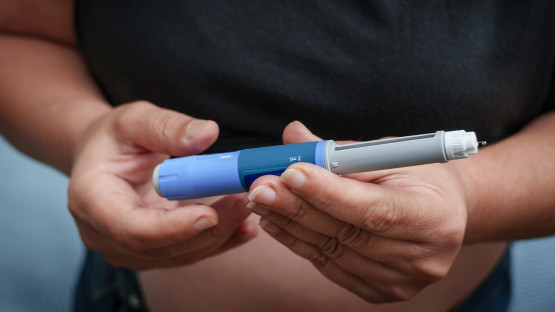
Ozempic is changing the foods Americans buy By Laura Reiley, Cornell Chronicle December 19, 2025 LinkedIn Facebook Twitter Email Share When Americans begin taking appetite-suppressing drugs like Ozempic and Wegovy,…
Sources
- Ozempic reduced grocery spending by an average of 5.3% in the US
- How Ozempic and Wegovy are quietly cutting America's …
- GLP-1 Users Are Spending Less on Groceries
- Ozempic, Wegovy users cutting back on grocery spending
Related posts
- How to Build Reactive, Declarative UIs in Vanilla JavaScript Without Frameworks
- Fossil vs Git: comparing features, architecture, hosting and workflows
- Ai, Japanese chimpanzee famed for counting and painting, dies aged 49