
TL;DR
From 2019 onward a New Brunswick neurologist compiled an expanding cluster of patients with rapidly progressing, CJD-like symptoms. A later academic paper found no new disease and attributed cases to known conditions, but hundreds of patients and advocates remain convinced an environmental cause or cover-up explains their suffering.
What happened
In early 2019 two confirmed Creutzfeldt-Jakob disease (CJD) cases in New Brunswick prompted a specialist working group to investigate. Dr Alier Marrero, a neurologist in the province, reported an increasing number of patients with varied, rapidly progressive neurological symptoms that resembled CJD but repeatedly tested negative on CJD surveillance. Over roughly five years the group of patients identified by Marrero expanded from a few dozen to about 500. The cluster drew support from national researchers and funding offers from the Canadian Institutes of Health Research, and the syndrome was given a provisional name by investigators. Later, a peer-reviewed research paper concluded there was no single new disease and that affected people likely had previously described neurological, medical or psychiatric disorders. That finding split patients and scientists: many patients rejected the paper, insisting their symptoms reflect a real, unexplained condition—some suspecting industrial contamination—while some pathologists reported neuropathology consistent with known dementias in examined tissue. At least one patient in the cluster has since chosen medical assistance in dying.
Why it matters
- Persistent disagreement highlights tensions between clinical observation and epidemiological interpretation when clusters are reported.
- If cases were misclassified, patients risk losing access to focused care and investigation; if a novel environmental cause exists, public health implications could be significant.
- The dispute raises questions about how health agencies, researchers and communities should respond to unexplained symptom clusters.
- The controversy touches on trust in medical institutions and the impact of uncertain diagnoses on patients' end-of-life decisions.
Key facts
- In early 2019 two patients in New Brunswick were diagnosed with Creutzfeldt-Jakob disease, triggering an investigation.
- Dr Alier Marrero reported an expanding set of patients with CJD-like, rapidly progressing neurological symptoms over several years.
- Marrero's documented cluster grew from the dozens to roughly 500 patients over about five years.
- CJD surveillance testing on many of Marrero's patients returned negative results for CJD.
- The Canadian Institutes of Health Research offered C$5 million to investigate the syndrome and senior researchers engaged with the case.
- A research paper published last year concluded there was no novel disease and that cases were best explained by known neurological, medical or psychiatric conditions.
- A neuropathologist involved said some examined brain tissue showed changes consistent with Alzheimer’s disease and Lewy body dementia.
- At least one person identified with the cluster opted for medical assistance in dying; another was reported to be considering it.
- A memo from the chief medical officer in March 2021 alerted clinicians to the apparent syndrome and prompted increased referrals.
What to watch next
- Further independent studies or follow-up investigations into the cluster and environmental testing — not confirmed in the source.
- Any official reviews, public health inquiries or legal actions related to alleged environmental causes or health-system responses — not confirmed in the source.
- New publications or data that either corroborate the 2025 paper's conclusions or provide evidence for an unexplained syndrome — not confirmed in the source.
Quick glossary
- Creutzfeldt-Jakob disease (CJD): A rare, fatal brain disorder caused by abnormal proteins called prions; it typically leads to rapidly progressive dementia and is monitored by specialized surveillance systems.
- Medical assistance in dying (MAID): A legal medical procedure in Canada that allows eligible patients to receive assistance to end their life under specified criteria.
- Cluster (medical): An apparent aggregation of cases of a disease or condition in a particular place or time that may prompt epidemiological investigation.
- Neuropathology: The study of disease-related changes in brain tissue, often used to identify underlying causes of neurological symptoms.
Reader FAQ
Is there a confirmed new brain disease in New Brunswick?
A recent research paper concluded there is no new disease and that cases are best explained by known conditions; many patients dispute this finding.
How many people were identified in the cluster?
About 500 people were reported as part of the cluster compiled over several years.
What explanations have been considered for the symptoms?
Investigators considered multiple possibilities, including known neurological diseases and environmental causes; the paper cited known conditions as explanations, while some patients suspect industrial contamination.
Did any patients die as a result of these illnesses?
Several patients died; at least one person linked to the cluster chose medical assistance in dying.
Who led the investigation and research?
Dr Alier Marrero was a central clinician compiling cases; the CJD Surveillance System, other Canadian neurologists and the Canadian Institutes of Health Research were involved in the multi-disciplinary response.
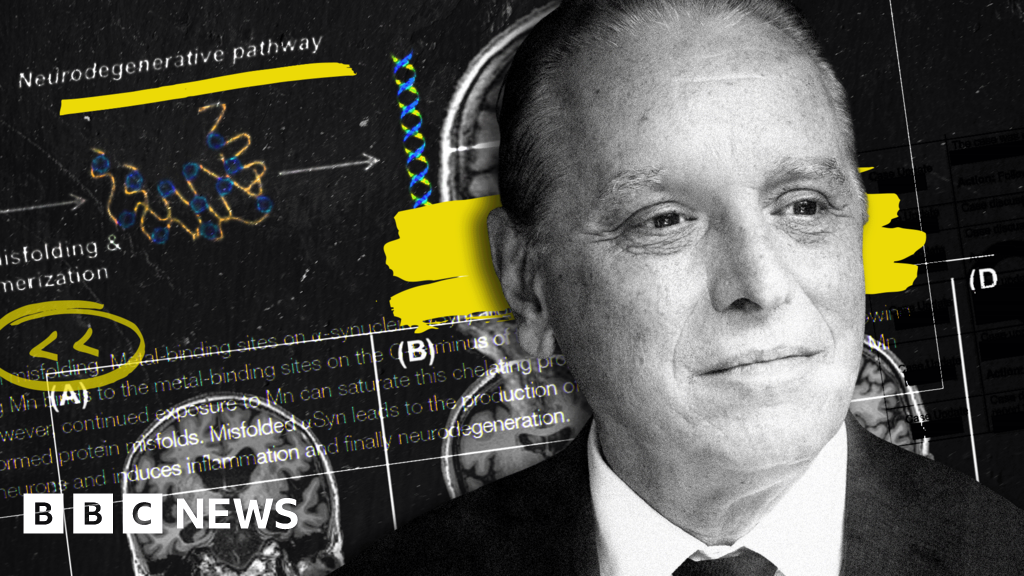
'The answer cannot be nothing': The battle over Canada's mystery brain disease 5 hours ago Share Save Joel Gunter,senior international reporter, New BrunswickandNadine Yousif,senior Canada reporter, New Brunswick BBC Five…
Sources
- 'The answer cannot be nothing': The battle over Canada's mystery brain disease
- The battle over Canada's mystery brain disease
- Canada medical mystery: no evidence of brain illness
Related posts
- Brown Rats Filmed Leaping From Cave Ledges to Catch Flying Bats in Germany
- My Home Fibre Network Disintegrated, Literally — Armoured Cable Failure
- A Year of Work on the ALPM Project: 15 Months of Rust-based Package Tools