
TL;DR
New flagship phones are largely iterative, favoring reliable improvements over radical redesigns. The reviewer highlights a short list of recommended devices across price tiers, from the iPhone 17 and Google Pixel 10 to budget and foldable picks, and outlines testing and update expectations.
What happened
Allison Johnson of The Verge published an updated guide recommending current smartphones for different needs and budgets. The roundup frames 2026 as a relatively incremental year for hardware: upgrades focus on software-driven features, smoother displays, and modest camera improvements rather than wholesale redesigns. Top picks include the Apple iPhone 17 as the best iPhone for most people and Google’s Pixel 10 as the pick for Android users seeking a flagship experience at a lower price point. High-end choices such as the iPhone 17 Pro and Samsung Galaxy S25 Ultra are listed for buyers who want top-tier performance and cameras, while budget and specialty options — including the Pixel 9A, Galaxy Z Flip 7, and the Pixel Pro 10 Fold — serve value or form-factor niches. The reviewer describes hands-on testing practices and sets expectations for multi-year software and security support when choosing a new phone.
Why it matters
- Most buyers prioritize dependable, familiar phones rather than experimental designs, so iterative updates can still offer meaningful daily improvements.
- Manufacturers are emphasizing software and AI features now, which shifts where users get value from new models.
- Good support windows (several years of OS and security updates) affect device longevity and total cost of ownership.
- There are viable options across price points, including sub-$500 models and premium foldables with improved durability.
Key facts
- Reviewer: Allison Johnson, senior reviewer with over a decade covering consumer tech.
- Testing approach: each phone gets the reviewer’s personal SIM and at least one week of daily use, with real-world stress tests.
- Recommended 'best iPhone for most people': Apple iPhone 17 — 6.3-inch 2622 x 1206 OLED, 120Hz, A19 chip; 48MP main and ultrawide; 18MP selfie; $799 (256GB) at Apple.
- Recommended 'best Android for most people': Google Pixel 10 — 6.3-inch 1080p 120Hz OLED, Tensor G5, includes a 5x telephoto lens; listed at $649.
- High-end Android pick: Samsung Galaxy S25 Ultra — 6.9-inch 1440p 120Hz OLED, Snapdragon 8 Elite, 200MP main camera, 5,000mAh battery; prices around $1,023–$1,050 depending on retailer.
- Budget option: Google Pixel 9A recommended as best under $500, priced at $399 (128GB).
- Flip and fold recommendations: Samsung Galaxy Z Flip 7 (around $1,056–$1,100) and Google Pixel Pro 10 Fold (around $1,499).
- Support benchmark mentioned: roughly four years of OS upgrades and five years of security updates is a healthy target.
- Newer conveniences called out include Qi2 magnetic wireless charging on some models and phones with full water and dust resistance among foldables.
What to watch next
- CES 2026 hinted at additional interesting phone designs and features to come during the year.
- not confirmed in the source
Quick glossary
- IP68: An ingress protection rating indicating resistance to dust and the ability to withstand immersion in water to a specified depth for a limited time.
- Qi2: A wireless charging specification that includes magnetic alignment features for easier contact between chargers and devices.
- Telephoto lens: A camera lens with a longer focal length that enables higher optical zoom and narrower field of view for distant subjects.
- OLED: A display technology that allows for deep blacks, high contrast, and efficient per-pixel illumination.
Reader FAQ
Which phone is the top recommendation for most buyers?
The guide names the Apple iPhone 17 as the best iPhone for most people and the Google Pixel 10 as the best Android pick for mainstream buyers.
Are foldable phones practical now?
The article notes a folding phone that offers full water and dust resistance, indicating improved durability for foldables.
How long should I expect software updates?
A healthy benchmark given in the guide is about four years of OS updates and five years of security patches.
What’s the best budget option?
The Google Pixel 9A is recommended as the best phone under $500, listed at $399.
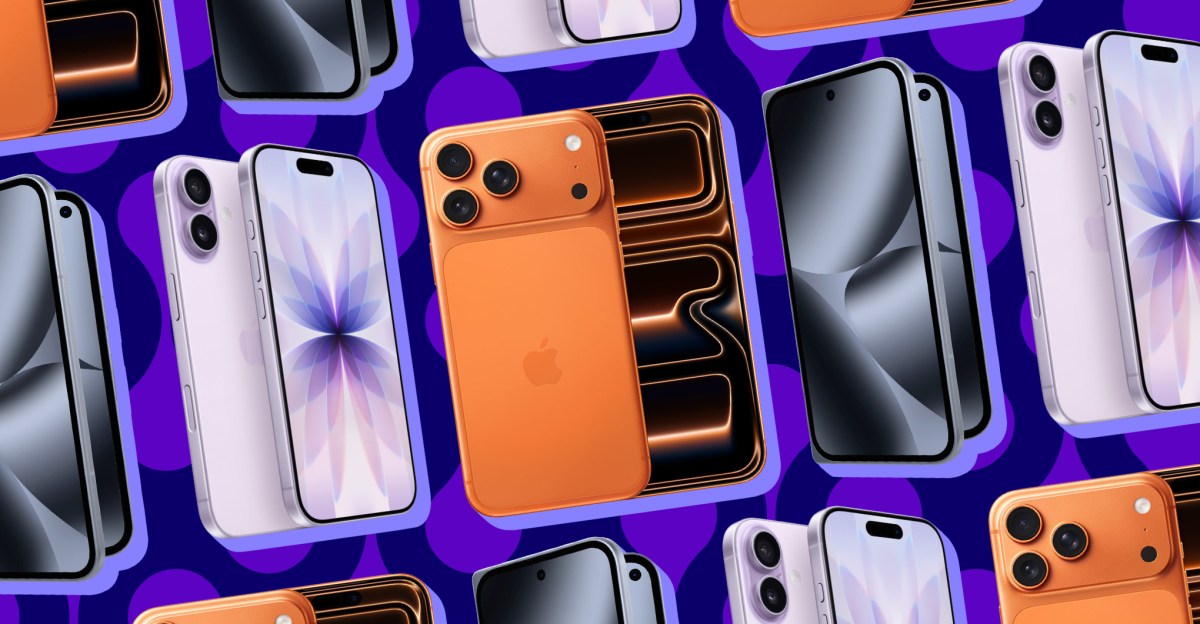
GADGETS TECH APPLE The best phone to buy right now Flagship phones cost a small fortune these days. We can help you pick the right one and get the most…
Sources
- The best phone to buy right now
- The best phone 2026: top smartphones in the US right now
- The Best Phones We've Tested for 2026
- Best Phones in 2026 | Top-Rated Smartphones … – CNET
Related posts
- Apple shipments flat while global PC market rose about 10% in Q4 2025
- Apple issues firmware 8B34 for AirPods Pro 3 ahead of iOS 26.3 release
- Elgato Stream Deck+ with knobs and LCD drops to $160 in current deal