
TL;DR
The iPhone Air is praised for its thin, lightweight design and Pro-level performance, but two compromises stopped the author from fully switching: a USB-C implementation limited to USB 2.0 speeds and slower wired charging, and a single 48MP wide camera that lacks ultra-wide and telephoto lenses. After months of daily use these limits became increasingly impactful for content creators and parents.
What happened
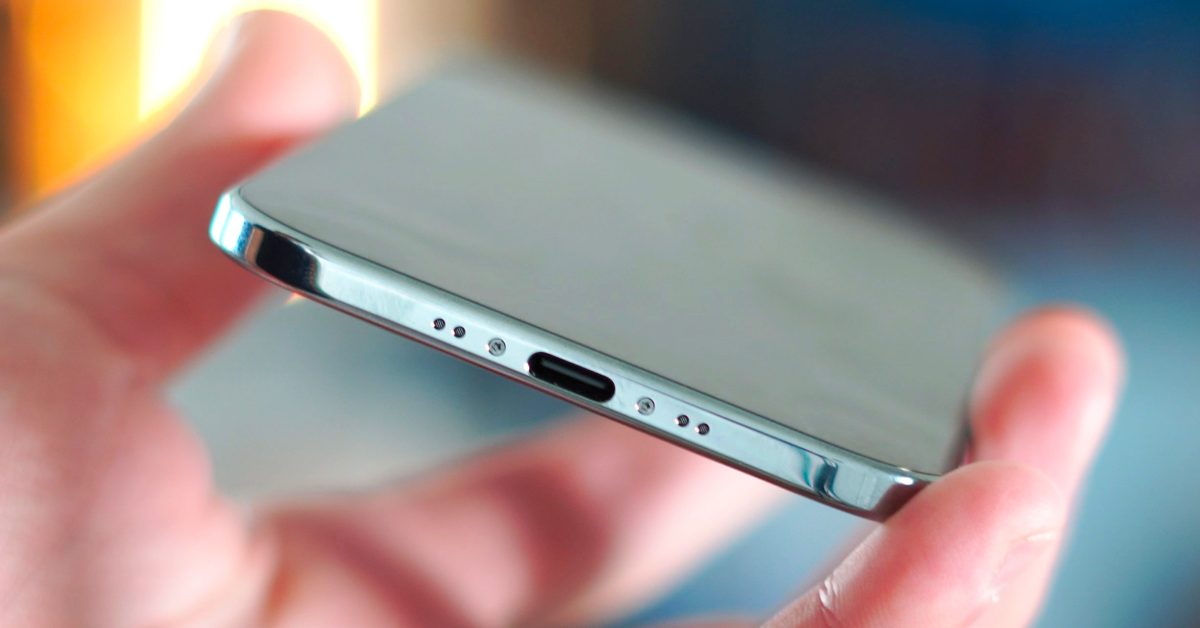
After switching his primary SIM to the new iPhone Air and using it daily for months, the reviewer found the handset delivers excellent feel and strong performance: a 120Hz ProMotion display, the A19 Pro chip, and Apple’s latest modem provide smooth, capable operation. However, two recurring drawbacks tempered enthusiasm. Apple fitted a USB-C port controlled by a USB 2.0 controller, which caps wired data transfers at about 480 Mbps and makes moving large 4K/HDR files to external SSDs slow compared with Pro models that use USB 3.0. Wired charging is also limited to 20W, so top-ups are slower than on Pro models. The phone has a single high-quality 48MP wide camera that produces good images but lacks an ultra-wide and dedicated telephoto, reducing flexibility for everyday and event photography. These compromises led the reviewer to stop short of fully committing to the Air.
Why it matters
- Design and performance choices show Apple is willing to diversify the iPhone lineup rather than only iterating on Pro models.
- The USB-C implementation limits wired workflows for creators who transfer large media files to external drives.
- A single-camera setup reduces photographic flexibility for users who rely on ultra-wide or telephoto lenses for everyday moments.
- Trade-offs between portability and pro-level features will affect which customers choose the Air versus Pro models.
Key facts
- Reviewer used the iPhone Air as a daily driver for several months.
- The iPhone Air includes a 120Hz ProMotion display, the A19 Pro chip, and Apple’s latest modem.
- Apple implemented a USB-C port on the iPhone Air using a USB 2.0 controller, capped around 480 Mbps.
- Pro iPhones use USB 3.0, which is roughly 10x faster than USB 2.0.
- Wired charging on the iPhone Air tops out at 20W.
- The Air ships with a single 48MP wide camera; it lacks an ultra-wide and a dedicated telephoto lens.
- For the reviewer, AirDrop sometimes transferred large files faster than a wired connection to the Air.
- The reviewer often shoots 4K and HDR video and offloads large files to external SSDs, a workflow made slower by the Air’s USB 2.0 speeds.
- The reviewer recommends handling the device in person at an Apple Store to assess feel and fit.
What to watch next
- Whether Apple upgrades data-transfer speeds (e.g., to USB 3.0) or charging power in future iPhone Air iterations – not confirmed in the source.
- If Apple introduces additional camera lenses (ultra-wide/telephoto) in a potential iPhone Air 2 – not confirmed in the source.
Quick glossary
- USB 2.0: A USB standard with a maximum theoretical data transfer rate of about 480 Mbps, commonly used for peripherals and older devices.
- USB 3.0: A later USB standard offering significantly higher data transfer rates than USB 2.0, commonly used for fast external storage and high-bandwidth peripherals.
- ProMotion: Apple’s marketing name for variable refresh displays that can run up to 120Hz for smoother motion and responsiveness.
- Telephoto lens: A camera lens with a longer focal length that provides optical zoom, useful for distant subjects and portrait framing.
- Ultra-wide lens: A camera lens with a much wider field of view than a standard wide lens, helpful for landscapes, tight interiors, and group shots.
Reader FAQ
Does the iPhone Air have Pro-level performance?
Yes; the device includes a 120Hz ProMotion display, the A19 Pro chip, and Apple’s latest modem, delivering smooth daily performance.
Is the iPhone Air’s USB-C port fast for transferring large files?
No; the Air uses a USB 2.0 controller that limits wired transfer speeds to about 480 Mbps, which is notably slower than USB 3.0 on Pro models.
How many cameras does the iPhone Air have?
It has a single 48MP wide camera and does not include a dedicated ultra-wide or telephoto lens.
Will future iPhone Air models fix these compromises?
Not confirmed in the source.
Rumor Replay: iPhone Fold’s crease-free display, and more Ryan Christoffel Jan 8 2026 IPHONE IOS 26 IPHONE AIR I love the iPhone Air, but two things stopped me from committing…
Sources
Related posts
- Free noise evidence generator helps tenants turn recordings into court-ready reports
- Debian Trixie variant revives spatial ‘classic’ MATE desktop layout
- Anker’s AeroFit Pro 2 earbuds discounted $30 at launch with promo code