
TL;DR
A concept patch first shown at CES 2020 has been developed into a cleared wearable device aimed at delaying orgasm. The product, originally nicknamed the “taint bandaid,” received FDA clearance after years of testing that included animal trials and returned to CES as a finished device.
What happened
At CES 2020 a rudimentary prototype — a patch placed on the perineal area and promoted to delay orgasm — drew attention for its unusual design and promise to address premature ejaculation. The startup behind the product, which engaged directly with reporters in the years after the debut, iterated on the concept and pursued regulatory review. Over six years the project advanced from a crude demo to a wearable that uses electrodes to modulate sensation; the company obtained FDA clearance and conducted animal testing that included rabbits. The device reappeared at CES 2026 in final form, described by its makers and shown to reporters; the author of the source article also tried the finished unit. The product’s trajectory included early public mockery, outreach from company leadership, and beta-testing phases prior to the most recent public demonstration.
Why it matters
- A novel sex-tech concept navigated regulatory clearance and development, signaling that fringe gadgets can become regulated medical devices.
- Use of electrical stimulation for sexual dysfunction raises questions about clinical evidence, safety standards, and long-term outcomes.
- The device’s public journey—from CES oddity to FDA-cleared wearable—illustrates how consumer shows can incubate health products for mainstream review.
- Early media and cultural reactions show there is sustained public scrutiny and stigma around sex-tech innovations.
Key facts
- The original prototype was first seen at CES Unveiled during CES 2020.
- The product began as a patch placed on the perineal area intended to delay orgasm using electrodes.
- The startup involved in the project communicated with reporters in the years after the initial showing; the founder/CEO responded to questions about the product.
- Development spanned six years and included beta testing and public demonstrations.
- The device received FDA clearance prior to its CES 2026 appearance.
- Animal testing that included rabbits was part of the development process.
- The finished wearable was demonstrated at CES 2026 and was tried by the article’s author.
- The early concept drew cultural attention and mockery, including coverage on late-night television.
What to watch next
- Human clinical trial results and published efficacy data: not confirmed in the source
- Commercial availability, pricing, and distribution plans: not confirmed in the source
- Post-market safety monitoring and any reports of adverse events after wider use: not confirmed in the source
Quick glossary
- CES: An annual technology trade show where companies exhibit consumer electronics and prototypes.
- FDA clearance: Regulatory authorization from the US Food and Drug Administration that permits certain medical devices to be marketed.
- Electrode: A conductor used to apply electrical stimulation to biological tissue.
- Premature ejaculation: A sexual dysfunction where ejaculation occurs earlier than desired, often causing distress.
- Wearable: A device designed to be worn on the body to perform a function, measure a parameter, or deliver therapy.
Reader FAQ
What is the device?
A wearable designed to modulate sensation at the perineal area using electrodes with the stated goal of delaying orgasm.
Did it get regulatory approval?
Yes — the device received FDA clearance, according to the source.
Were animals used in testing?
Yes; the development process included animal testing that involved rabbits.
Is it available for purchase now?
not confirmed in the source
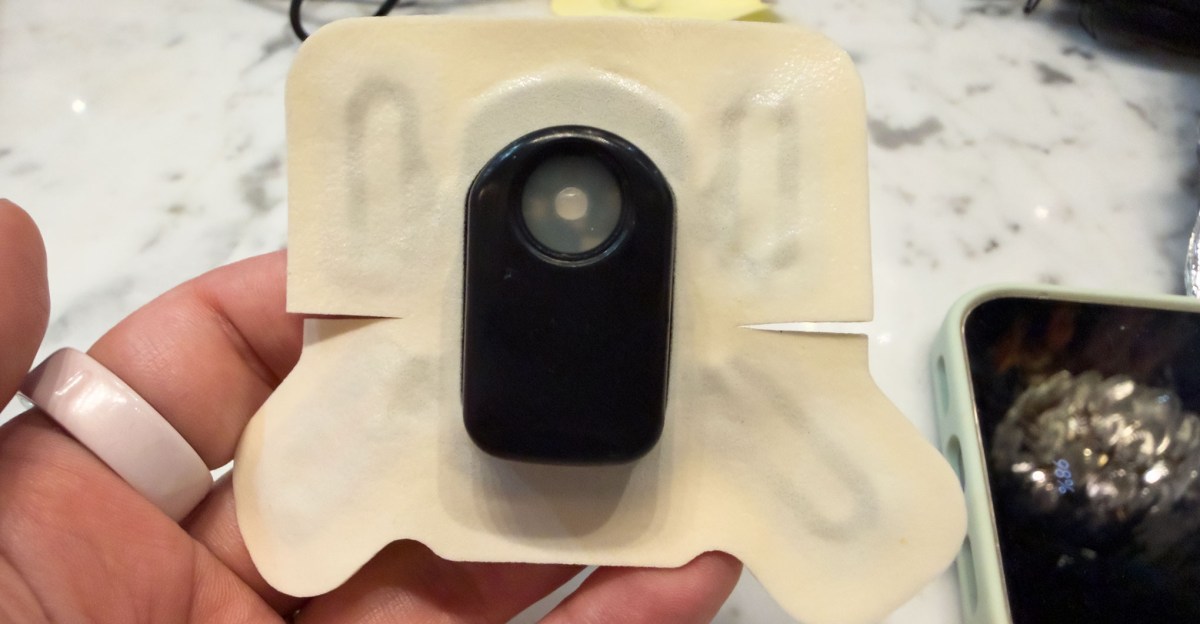
TECH GADGETS SCIENCE The taint bandaid has evolved into the taint zapper It took six years, FDA clearance, and some rabbits, but this CES health wearable didn’t end up as…
Sources
- The taint bandaid has evolved into the taint zapper
- The Taint Bandaid Is Real Now
- CES 2020: The bandaid for your taint promises to fix …
- This Company Just Gave Dudes a Good Reason to Shave …
Related posts
- Donut Lab unveils 400 Wh/kg all-solid-state battery ready for OEM use
- Sony and Honda’s Afeela EV to begin US customer deliveries in late 2026
- These best-value ANC earbuds get improved features and drop to $89