
TL;DR
A tester evaluated several navigation apps as potential replacements for Google Maps but repeatedly returned to Maps after noticing practical features that competitors lack. Specialized apps excel in particular areas — like Waze for live traffic and HERE WeGo for offline maps — but none matched Maps’ all-in-one convenience.
What happened
A reviewer spent time using several Maps alternatives to see if any could replace Google Maps. Waze stood out for crowdsourced, real-time traffic reports and quick rerouting in congested conditions, but it lacks walking and public transit directions, satellite and terrain views, and the ability to download maps for offline use. HERE WeGo proved reliable offline, letting users download maps and navigate without a signal, yet its business listings and review depth did not match Google’s. OsmAnd and Maps.me offered offline capabilities and more customization, with OsmAnd drawing on OpenStreetMap and catering to biking and hiking routes, but both felt niche and occasionally delivered inconsistent search results. Across tests, the reviewer missed Google Maps’ broad transit coverage, detailed place information (hours, reviews, Street View), multi-stop trip planning, and balanced live traffic modeling, leading to Maps remaining the daily default.
Why it matters
- Navigation needs vary by context: commuting, errands, travel and outdoor activities require different strengths.
- Specialized apps can outperform Maps in single areas (traffic or offline), but trade-offs matter for everyday convenience.
- Lack of offline maps or comprehensive place data can disrupt travel in low-connectivity or unfamiliar locations.
- Choosing a default navigation app affects how reliably you can plan multi-stop trips and switch between transit modes.
Key facts
- Waze focuses on crowdsourced, real-time traffic and user-reported incidents, often finding faster routes in heavy traffic.
- Waze does not provide walking or public transit directions and does not support downloading maps for offline use.
- Waze’s interface can feel cluttered due to frequent alerts and offers fewer map perspectives (no satellite or terrain modes).
- HERE WeGo allows users to download maps and navigate with turn-by-turn directions without a data connection.
- HERE WeGo’s offline reliability comes with less comprehensive business listings and fewer review details than Google Maps.
- OsmAnd uses OpenStreetMap data, emphasizes offline use and customization, and highlights biking and hiking routing.
- Maps.me also offers offline points of interest but, like other OpenStreetMap-based apps, can have inconsistent search accuracy.
- Google Maps integrates driving, walking, biking and public transit in one app and supports multi-stop planning (up to 10 stops).
- Google Maps provides richer place information (hours, ratings, peak times), Street View and indoor maps compared with the alternatives.
What to watch next
- Whether competitors will expand offline capabilities or add richer business data — not confirmed in the source.
- If Waze will introduce downloadable maps or built-in walking and transit directions — not confirmed in the source.
Quick glossary
- Offline maps: Downloaded map data stored on a device so navigation and search work without an internet connection.
- Crowdsourced traffic: Traffic information collected from many users reporting conditions like jams, crashes, or hazards in real time.
- Point of interest (POI): A location marked on a map such as a business, landmark, or transit station, often including basic details like address and hours.
- Turn-by-turn directions: Stepwise navigation instructions that guide a user along a route with prompts for each maneuver.
- OpenStreetMap: A collaborative, open-source mapping project that provides map data used by many third-party navigation apps.
Reader FAQ
Can Waze fully replace Google Maps?
Not according to the test: Waze excels at live, crowdsourced traffic but lacks walking and public transit directions and offline map downloads.
Is HERE WeGo better than Google Maps for travel?
HERE WeGo is superior for offline navigation and planning without a signal, but it offers less detailed business listings and reviews than Google Maps.
Are OsmAnd and Maps.me good daily drivers?
They are useful for privacy-minded users and offline routes, especially for biking or hiking, but search results and place data can be less consistent than Google’s.
Does Google Maps offer multi-stop trip planning?
Yes. The reviewer notes that Google Maps supports multi-stop planning (up to 10 stops) and quick mode switching for diverse trips.
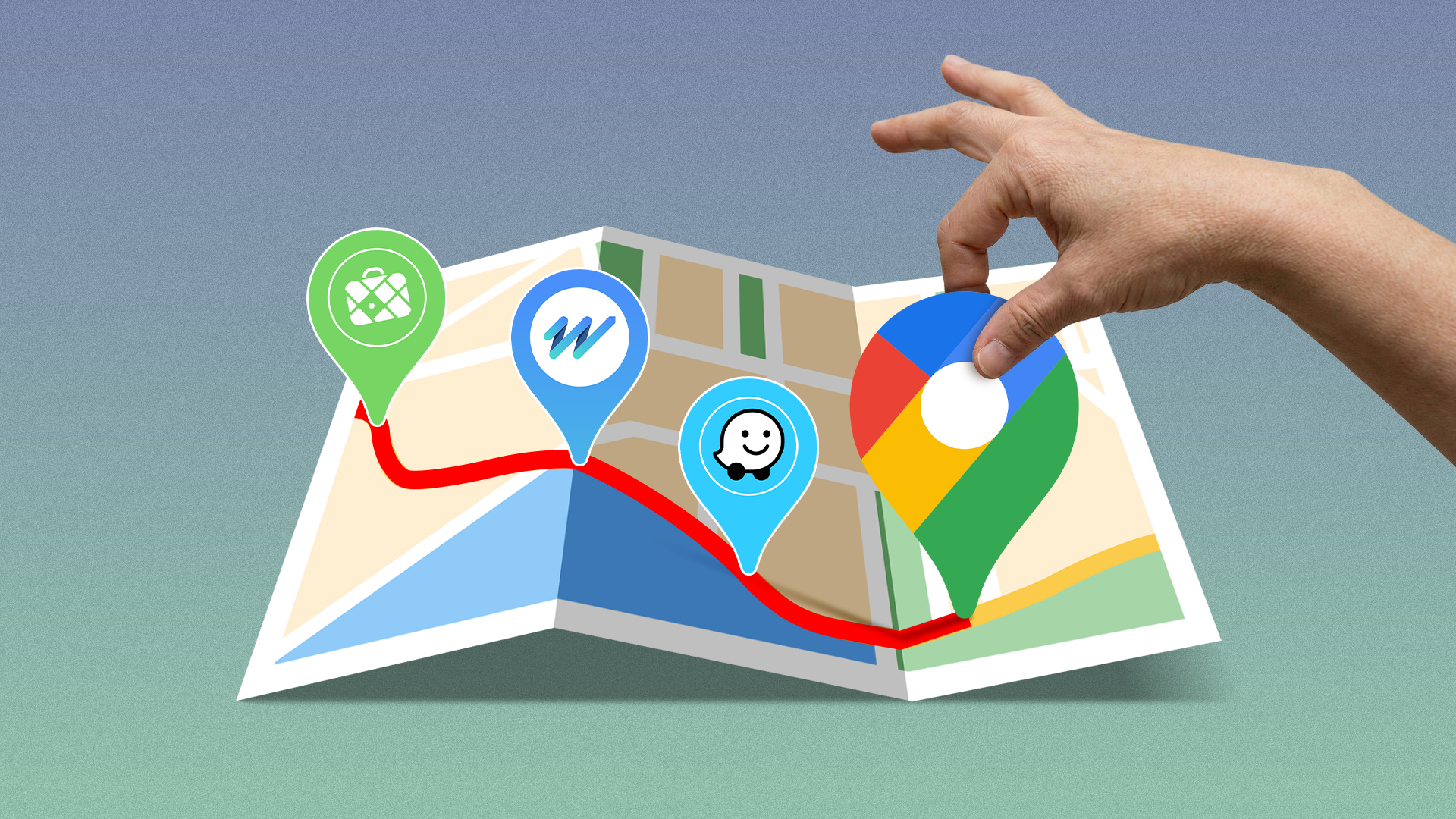
I thought I was ready to ditch Google Maps — until I noticed what I missed Credit: Lucas Gouveia / Android Police By Anu Joy Published 31 minutes ago Anu is…
Sources
- I thought I was ready to ditch Google Maps — until I noticed what I missed
- Google Maps just lost a useful feature — this will make …
- Google Maps isn't perfect and these particular features …
- What features does Google maps lack?
Related posts
- Pixel 9 reportedly gains AirDrop compatibility in Android Canary, rollout uncertain
- Pixel Launcher adds quick-launch tweak to speed app opening from search
- Disney Plus plans TikTok-style vertical video feed arriving later in 2026