
TL;DR
The UK government has scrapped its proposal to require workers to sign up to a new digital ID scheme to prove the right to work. Instead, ministers say current document-based checks — including biometric passport routes — will be digitised and moved fully online by 2029.
What happened
The government has reversed a plan that would have compelled workers to register with a new digital identity system to demonstrate their right to work. Officials say they will instead focus on moving existing right-to-work checks — many of which rely on documents such as biometric passports — into a fully digital process by 2029. Ministers and spokespeople insisted the aim remains to make it harder to employ people working illegally, and argued digitisation would create records that are currently lacking under paper-based systems. The decision follows intense public and political pushback: polling showed support for digital ID fell sharply after the announcement and almost three million people signed a parliamentary petition opposing it. Opposition parties and some MPs criticised the handling of the policy and framed the reversal as another in a run of recent government U-turns. Details about how the retooled digital checks will operate and how they will be rolled out have not been fully published.
Why it matters
- Policy shift changes how the government intends to tackle illegal working while avoiding mandatory enrolment in a new ID scheme.
- Digitising checks could create auditable records that supporters say would improve enforcement compared with paper-based processes.
- Strong public opposition and large petition numbers highlight political and public trust risks for digital identity initiatives.
- The move underscores tensions between privacy concerns, practical enforcement goals, and political acceptability.
- Plans point to reliance on existing and planned government platforms, raising questions about technical rollout and security.
Key facts
- The proposal to force workers to sign up to a new digital ID to prove right to work has been dropped.
- Labour ministers say existing checks using documents such as biometric passports will be digitised and moved fully online by 2029.
- Nearly three million people signed a parliamentary petition opposing the introduction of digital IDs.
- Public support for digital ID reportedly fell from just over half the population in June to under a third after the announcement.
- Since 2022, employers have been able to do digital checks for British and Irish passport holders via government-certified services.
- A Home Office online scheme already verifies the status of some non-British or Irish citizens whose immigration records are electronic.
- Gov.uk One Login, one of the government systems expected to underpin digital identity, has more than 12 million registered users.
- Gov.uk Wallet, a smartphone-based wallet for storing digital ID, has not yet been launched.
- A proposed digital ID would include name, date of birth, nationality, residence status and a photograph, according to government descriptions.
What to watch next
- Detailed technical and legal design for the digitised right-to-work checks — not confirmed in the source.
- The timetable and launch plans for Gov.uk Wallet and other systems that will underpin digital checks — not confirmed in the source.
- How enforcement and compliance will be implemented if checks are made mandatory in digital form — not confirmed in the source.
Quick glossary
- Digital ID: An electronic representation of a person's identity used to verify who they are when accessing services or proving entitlements.
- Biometric passport: A passport that contains an electronic chip storing personal data and a biometric identifier, typically a facial image or fingerprints.
- Right to work checks: Procedures employers must carry out to confirm that a prospective employee is legally allowed to work in a country.
- Gov.uk One Login: A government authentication platform that lets users sign in to multiple public services with a single account.
- Gov.uk Wallet: A proposed smartphone-based system for storing and presenting verified digital identity information.
Reader FAQ
Has the government cancelled all digital ID work?
No. The government has dropped the plan to require workers to sign up to a new digital ID scheme, but says it will digitise right-to-work checks by 2029.
Will right-to-work checks be mandatory?
Officials say they remain committed to mandatory digital right-to-work checks, but how this will operate in practice has not been fully set out in the source.
What personal data would a digital ID contain?
Government descriptions indicate a digital ID would include name, date of birth, nationality, residence status and a photograph.
Why did ministers reverse the original plan?
The source cites strong public opposition, falling support in polls, a large parliamentary petition and political concern among MPs, but does not provide a single official reason beyond those factors.
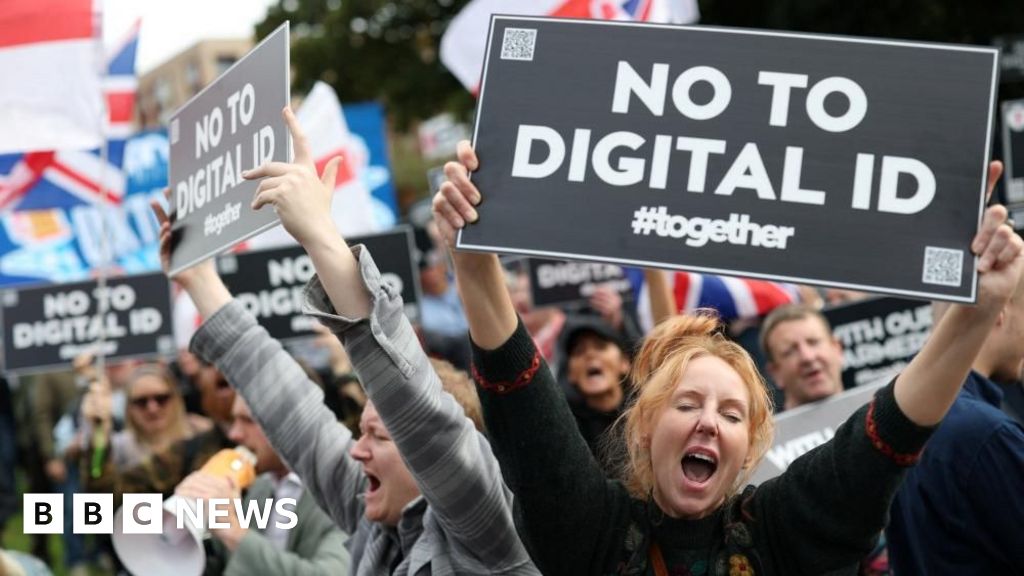
Government drops plans for mandatory digital ID to work in UK 2 hours ago Share Save Kate Whannel,Political reporterandHenry Zeffman,chief political correspondent Getty Images The government has dropped plans requiring…
Sources
- Government drops plans for mandatory digital ID to work in UK
- UK drops plans for mandatory digital ID for workers in latest …
- UK government rolls back key part of digital ID plans | Politics
- Labour scraps plans for compulsory digital ID
Related posts
- US Intelligence Viewed Tren de Aragua as Fragmented Crime, Not an ‘Invasion’
- Bandcamp bans AI-generated music, positioning itself for artist protection
- France fines Free and Free Mobile €42M for weak security before 24M-record breach