
TL;DR
The UK has abandoned plans to require the national digital ID for all working adults after earlier proposals by the prime minister. The scheme will be optional when it launches (targeted for 2029), with the government saying other digital documents can be used for right-to-work checks.
What happened
The UK government has reversed an earlier pledge to make its forthcoming national digital identity mandatory for working adults. The programme, first announced by Prime Minister Keir Starmer in September as a tool to curb illegal employment, had been described as mandatory for right-to-work checks by the end of the current Parliament. Officials now say the digital ID will be one optional route for proving the right to work when the system is introduced sometime in 2029. The planned digital identity is set to contain a person’s name, date of birth, nationality or residency status and a photo, and will be stored on smartphones. Chancellor Rachel Reeves indicated that people could also use other electronic documents — for example an electronic visa or passport — to prove their right to work. The government also told media that a full public consultation will open soon, and cited concerns about the current patchwork of paper checks being vulnerable to fraud.
Why it matters
- Shifts how employers and workers will verify right-to-work status, with digital ID becoming one option rather than the default.
- Responds to widespread privacy and civil-rights worries that had accompanied the original mandatory proposal.
- Maintains the government’s stated aim to tighten right-to-work controls while leaving flexibility in how checks are performed.
- Changes the political and practical calculus for rollout, public engagement and regulatory design ahead of a consultation.
Key facts
- Original national digital ID plans were announced by Prime Minister Keir Starmer in September.
- The scheme was initially described as mandatory for right-to-work checks by the end of the Parliament.
- Government now says the digital ID will be optional and is expected to be introduced sometime in 2029.
- Planned digital ID data elements include name, date of birth, nationality or residency details, and a photo; it will be stored and accessed on smartphones.
- Chancellor Rachel Reeves said people may instead use other digital documents such as an electronic visa or a passport to prove right to work.
- A government spokesperson described current right-to-work checks as a "hodgepodge" of paper-based systems prone to fraud and abuse.
- A parliamentary petition opposing digital ID gathered almost three million signatures, and privacy and civil-rights concerns were widely expressed.
- The government said a full public consultation on the scheme will be launched shortly.
What to watch next
- The timing and scope of the promised public consultation, which the government says will launch shortly.
- The detailed rules that will determine when employers can accept digital ID versus other electronic documents.
- not confirmed in the source: Specific technical and privacy safeguards that will be included in the scheme.
- not confirmed in the source: Whether and how the government will set a final deadline for replacing paper-based checks.
Quick glossary
- Digital ID: An electronic credential that stores and verifies an individual’s identity information, typically accessed via a smartphone or online service.
- Right-to-work check: A process by which employers confirm an individual is legally permitted to work in a country.
- Electronic visa (e-visa): A digitally issued travel document or immigration permission that can be used to demonstrate lawful residence or travel status.
- Public consultation: A formal process in which the government seeks input from citizens, organisations and stakeholders on proposed policies or regulations.
Reader FAQ
Will the UK digital ID be mandatory for workers?
No. Officials say the digital ID will be optional when introduced; other digital documents can be used for right-to-work checks.
What information will the digital ID contain?
The planned digital ID will include a person’s name, date of birth, nationality or residency details, and a photo, stored on smartphones.
When will the scheme be introduced?
The government has said the digital ID is expected to be introduced sometime in 2029.
Will there be public input on the scheme?
Yes. The government said a full public consultation on the digital ID will launch shortly.
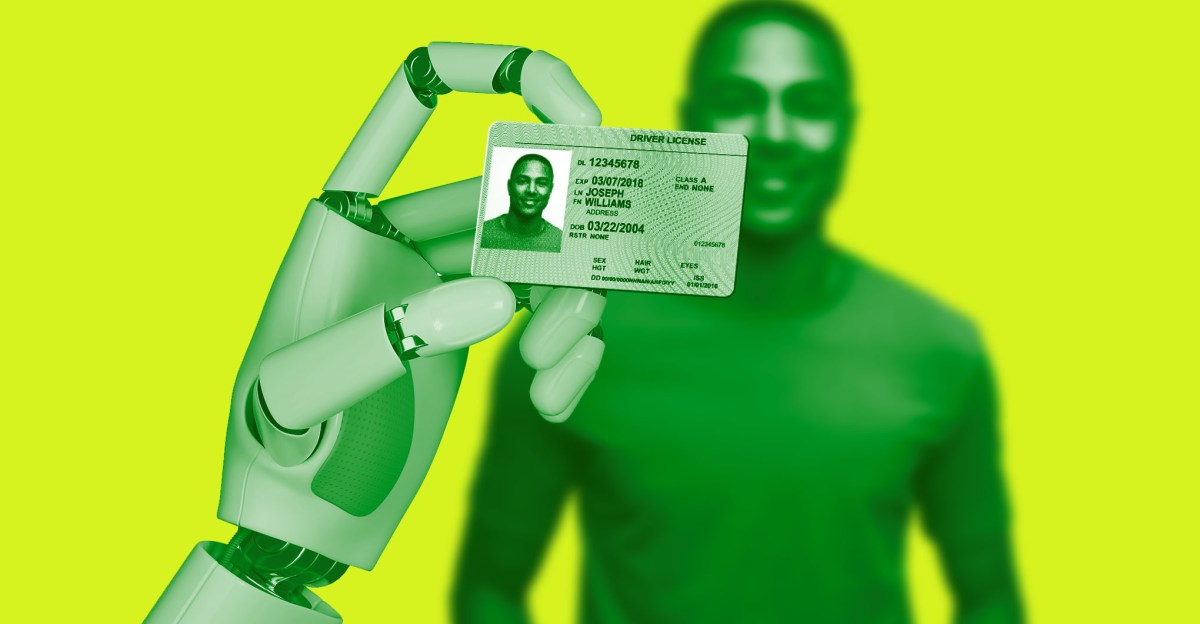
NEWS POLICY TECH UK digital ID plans will no longer be mandatory The scheme will now be optional, and one of several ways for adults to prove their right-to-work. by…
Sources
- UK digital ID plans will no longer be mandatory
- Government drops plans for mandatory digital ID to work in …
- UK drops plans for mandatory digital ID for workers in latest …
- Labour's U-turn over digital ID raises more questions than …
Related posts
- Bandcamp bans AI-generated music from its platform, citing human-made standard
- FBI Searches Washington Post Reporter’s Home in Classified Probe
- New UK tool flags pubs most at risk amid planned business rates revaluation