
TL;DR
Cory Doctorow argues that tit-for-tat tariffs tied to the Trump era will force America’s trading partners to respond politically and economically in 2026. He predicts savvy countries will find ways to blunt the damage of those tariffs, with consequences for prices and global trade power.
What happened
In a December 2025 commentary, Cory Doctorow forecasts that 2026 will bring a political reckoning for nations targeted by reciprocal tariffs. He frames tariffs as a consumer tax and warns that rising prices caused by trade disputes create electoral risk for leaders who cannot shield their populations from higher costs. The piece contends that some countries will identify strategies to offset or bypass the damage from tariffs imposed during the Trump administration; those responses, Doctorow suggests, could both strengthen those economies and reduce the price burden on consumers. The overall argument is that these adaptive moves by trading partners will begin to undermine longstanding US dominance in global trade, as other states exploit new approaches to trade and pricing to their advantage.
Why it matters
- Tariffs act as taxes on consumers, so trade policy can have direct domestic political consequences.
- If trading partners successfully counteract tariffs, the United States’ leverage in global commerce could weaken.
- Adaptive responses by other countries may lower consumer prices abroad and shift economic benefits away from the US.
- Political leaders in affected countries face incentive to act quickly because public backlash over inflation is a potent electoral threat.
Key facts
- Article author: Cory Doctorow.
- Published by WIRED on Dec. 26, 2025.
- The piece forecasts developments taking place in 2026 involving America's trading partners.
- The author characterizes tariffs as a tax borne by consumers.
- Doctorow warns that politicians overseeing rising prices risk voter punishment.
- He argues that some countries will find ways to mitigate harm from tariffs tied to the Trump era.
- Those mitigation efforts are described as potentially boosting those countries' economies and lowering goods' prices.
What to watch next
- Whether specific mitigation strategies by trading partners emerge in 2026 — not confirmed in the source.
- How electoral politics in affected countries respond to price increases tied to tariffs — not confirmed in the source.
- The extent to which US trade influence shifts as rivals implement countermeasures — not confirmed in the source.
Quick glossary
- Tariff: A tax imposed on imported goods, typically collected by the importing country's government.
- Tit-for-tat tariff: A retaliatory tariff applied by one country in response to tariffs levied by another, often escalating trade tensions.
- Trade dominance: A country's relative strength and influence in international trade flows, supply chains, and market access.
- Consumer price: The price paid by end users for goods and services, which can be affected by taxes, tariffs, and supply conditions.
Reader FAQ
What is the article’s central claim?
It contends that retaliatory tariffs will prompt other countries to find ways to blunt their effects, which could erode US trade dominance and reduce prices elsewhere.
Does the article name specific mitigation measures countries will use?
Not confirmed in the source.
Is there evidence that tariffs always raise consumer prices?
The piece states tariffs are a tax on consumers, implying they raise prices, but detailed evidence or examples are not provided in the excerpt.
Will US trade dominance definitely break down?
The article predicts it will 'begin to crack,' but precise outcomes and timelines beyond that forecast are not confirmed in the source.
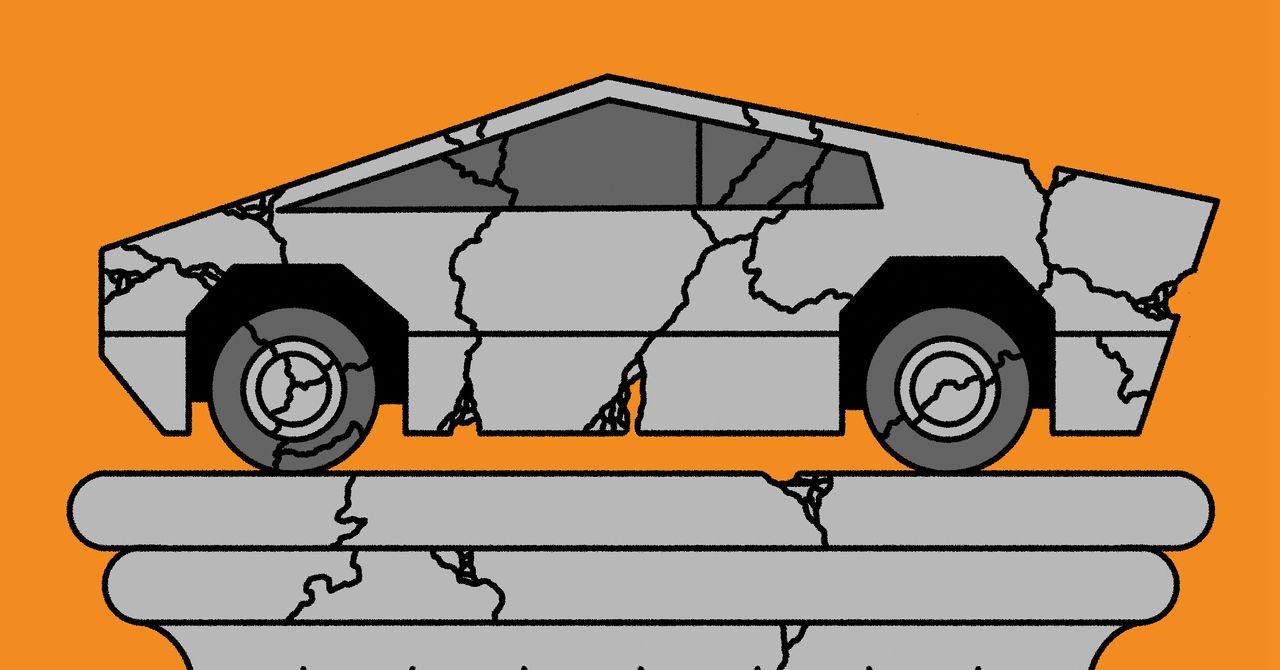
CORY DOCTOROW BUSINESS DEC 26, 2025 6:30 AM US Trade Dominance Will Soon Begin to Crack Savvy countries will discover there’s a way to mitigate the harm incurred by Trump’s…
Sources
- US Trade Dominance Will Soon Begin to Crack
- The GOP Tariff Divide: How Shifting Political Dynamics …
- The Diminishing Returns of U.S. Trade Aggression
- Trump has said tariff revenues could pay for at least 9 …
Related posts
- Could an Upside-Down Rowboat Let You Walk the Seafloor Like Jack Sparrow?
- Explaining Rust’s Loan Algebra: New Borrow Kinds, Tables, and Rules
- ‘We Ain’t Seen Nothing Yet’ — Trump’s Mass Deportations Will Grow From Here