
TL;DR
Sleep coaching, once focused on infants, is being pitched to adults who struggle to disconnect from screens and worries at night. The idea presented: sleep is a skill that can be trained, and putting down phones and quieting anxiety takes practice.
What happened
A recent Wired piece profiles a shift in who seeks sleep coaches: while the service historically centered on helping babies establish routines, an increasing number of adults tethered to screens and anxious about current events are turning to sleep coaching. The article opens by reframing sleep as work rather than an effortless state, noting that breaking habits like nighttime phone use and managing intrusive worries requires deliberate practice. The writer invokes a well-known quip attributed to Margaret Thatcher to illustrate cultural attitudes toward sleep, then argues that true relaxation may need instruction. Beyond that framing, the source highlights the crossover between parenting practices and techniques now being adapted for grownups, and positions sleep coaching as one approach people are using to try to stop doomscrolling and reclaim better nights.
Why it matters
- Frames sleep as an acquireable skill, not just a biological given, which changes how people approach bad habits.
- Suggests digital-era behaviors (nighttime screen use, constant news exposure) are driving demand for behavioral supports.
- Links sleep difficulties to broader anxieties, indicating a potential intersection of mental-health and behavioral coaching services.
- Points to a shift in personal-care services from child-focused to adult-oriented offerings.
Key facts
- The article reports sleep coaches were traditionally focused on helping babies establish sleep routines.
- Wired says more adults who are anxious and attached to screens are now seeking sleep coaching.
- The piece argues sleep requires effort: setting aside phones and worries involves discipline and training.
- Margaret Thatcher is referenced as being often credited with the line, “Sleep is for wimps,” to illustrate cultural attitudes toward sleep.
- The story was written by Elana Klein and published January 11, 2026.
- The article appears in Wired under topics including sleep, health, parenting, and mental health.
- The subhead summarizes the trend: anxious, screen-attached grownups are among those needing sleep support.
What to watch next
- not confirmed in the source
- not confirmed in the source
- not confirmed in the source
Quick glossary
- Sleep coach: A practitioner who works with individuals to build habits, routines, and behaviors intended to improve sleep quality.
- Doomscrolling: The compulsion to continuously consume negative news or social media, especially late at night, which can interfere with sleep and wellbeing.
- Sleep hygiene: A set of behavioral and environmental recommendations—like regular schedules and reduced screen time—aimed at supporting better sleep.
- Behavioral training: Techniques used to change habits and responses through practice, routines, and reinforcement rather than medication.
Reader FAQ
Are sleep coaches only for babies?
No. The article notes sleep coaching was traditionally aimed at infants, but more adults are now seeking those services.
Will a sleep coach stop doomscrolling for me?
Not confirmed in the source.
Is sleep coaching the same as clinical insomnia treatment?
Not confirmed in the source.
How widespread is the adult sleep-coaching trend?
Not confirmed in the source.
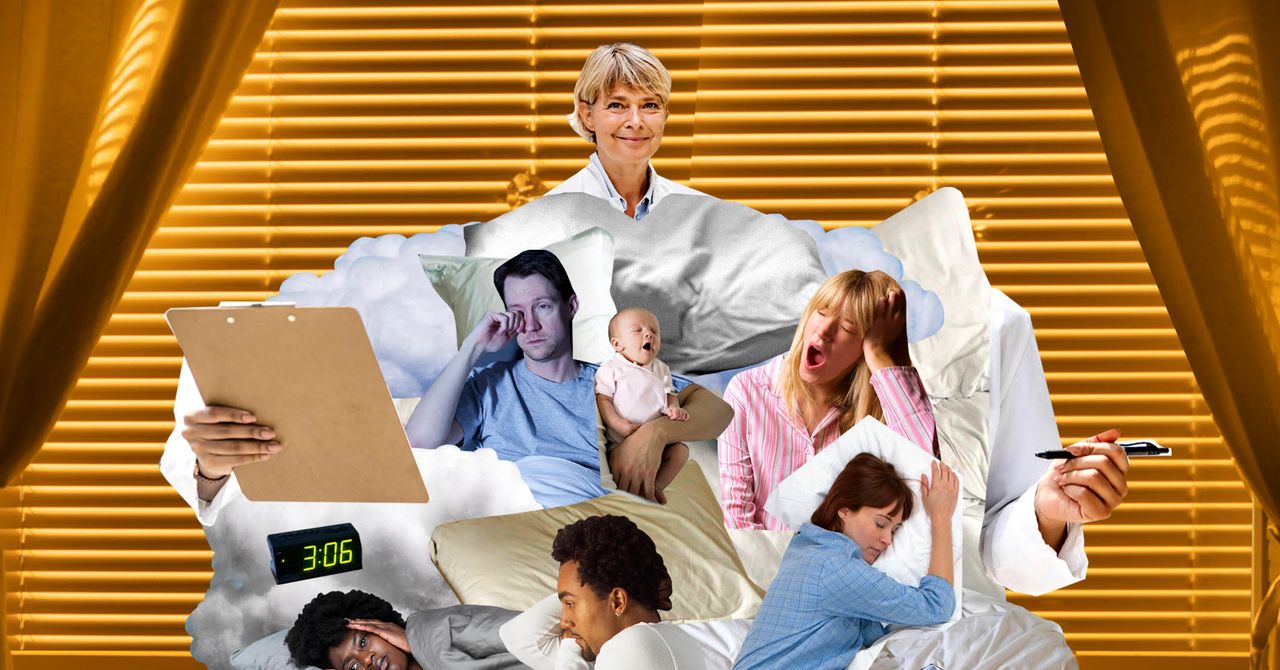
ELANA KLEIN SCIENCE JAN 11, 2026 6:00 AM Want to Stop Doomscrolling? You Might Need a Sleep Coach Traditionally sleep coaches treat babies. But now more and more anxious, screen-attached…
Sources
- Want to Stop Doomscrolling? You Might Need a Sleep Coach
- Stop doomscrolling and get ready for bed. Here's how to …
- What To Do Instead Of Doomscrolling
- ADHD Sleep Fix 2026: 3 Rules That Actually Stick for Adults
Related posts
- Max Payne — Twenty Years On: A Graphics Critique of Its Visual Tricks
- How Google Keep in Gmail’s Sidebar Became a Daily Note Habit for One Writer
- The Risk of Reducing America’s Venezuela Invasion to a 60‑Second Clip