
TL;DR
Waymo says a safety feature that asks human operators to confirm decisions led many of its robotaxis to pause at dark traffic lights during a San Francisco power outage. The company is issuing a software update to give its cars better outage context and reduce reliance on those confirmation checks.
What happened
Waymo reported that its autonomous vehicles encountered a large number of disabled traffic lights during a San Francisco blackout. The company's self-driving software is programmed to treat dead signals as four-way stops, but many vehicles initiated an internal “confirmation check” asking Waymo’s fleet response team to verify the planned maneuver. Because the outage was widespread, these confirmation requests spiked concurrently and contributed to the congestion users captured on video. Waymo says the confirmation-check mechanism was implemented early in deployment as a conservative safety measure; the firm is now refining that approach to suit a larger fleet. The company is rolling out a software update that will provide the self-driving system with additional regional outage information and says it will update emergency response procedures based on lessons from the event. Waymo also noted that, despite the high-profile stalls, its vehicles successfully traversed more than 7,000 dark signals that day.
Why it matters
- Shows the tension between conservative safety design and real-world scalability in autonomous vehicle fleets.
- Highlights how centralized human-in-the-loop checks can create operational bottlenecks during large-scale incidents.
- Underscores the dependence of self-driving systems on accurate context about city infrastructure states.
- May influence public trust and regulatory scrutiny of commercial robotaxi operations.
Key facts
- Waymo treats non-functioning traffic lights as four-way stops in its self-driving rules.
- Many vehicles requested a confirmation check from Waymo’s fleet response team during the outage.
- A concentrated spike in confirmation requests helped produce the intersection congestion seen on video.
- The confirmation-check feature was added early in Waymo’s deployment as an extra caution.
- Waymo is shipping a software update to give the self-driving software more regional outage context.
- The company plans to improve its emergency response protocols after reviewing the event.
- Despite the stall incidents, Waymo reported its vehicles successfully navigated over 7,000 dark signals on Saturday.
- Waymo has previously issued software updates to address other safety scenarios, including changes related to stopped school buses that led to an investigation and a recall.
What to watch next
- Whether the new software update reduces the number of confirmation checks and intersection stalls — not confirmed in the source.
- How Waymo’s updated emergency response protocols will be implemented across its fleet and regions — not confirmed in the source.
- Any regulatory follow-up or enforcement actions in response to the outage-related stalls — not confirmed in the source.
Quick glossary
- robotaxi: An autonomous vehicle designed to provide paid rides without a human driver on board.
- four-way stop: A traffic control situation where drivers arriving at an intersection must stop and proceed according to right-of-way rules when signals are out.
- fleet response team: A group of human operators who monitor and can assist or provide confirmations to autonomous vehicles during unexpected situations.
- confirmation check: A request initiated by a vehicle’s system asking human operators to validate or authorize a planned maneuver.
- software update: A change to a vehicle’s onboard software intended to fix issues, add capabilities, or adapt behavior to new conditions.
Reader FAQ
Why did Waymo’s robotaxis stop at intersections during the blackout?
Many vehicles issued confirmation checks to Waymo’s fleet response team when encountering disabled signals, creating a spike in requests that contributed to the stalls.
How will Waymo address the problem?
Waymo is shipping a software update that adds more regional outage context to its self-driving system and says it will refine emergency response protocols.
How many dark traffic signals did Waymo’s vehicles handle that day?
Waymo reported that its vehicles successfully traversed more than 7,000 dark signals on Saturday.
Were there any injuries or crashes reported in connection with this event?
not confirmed in the source
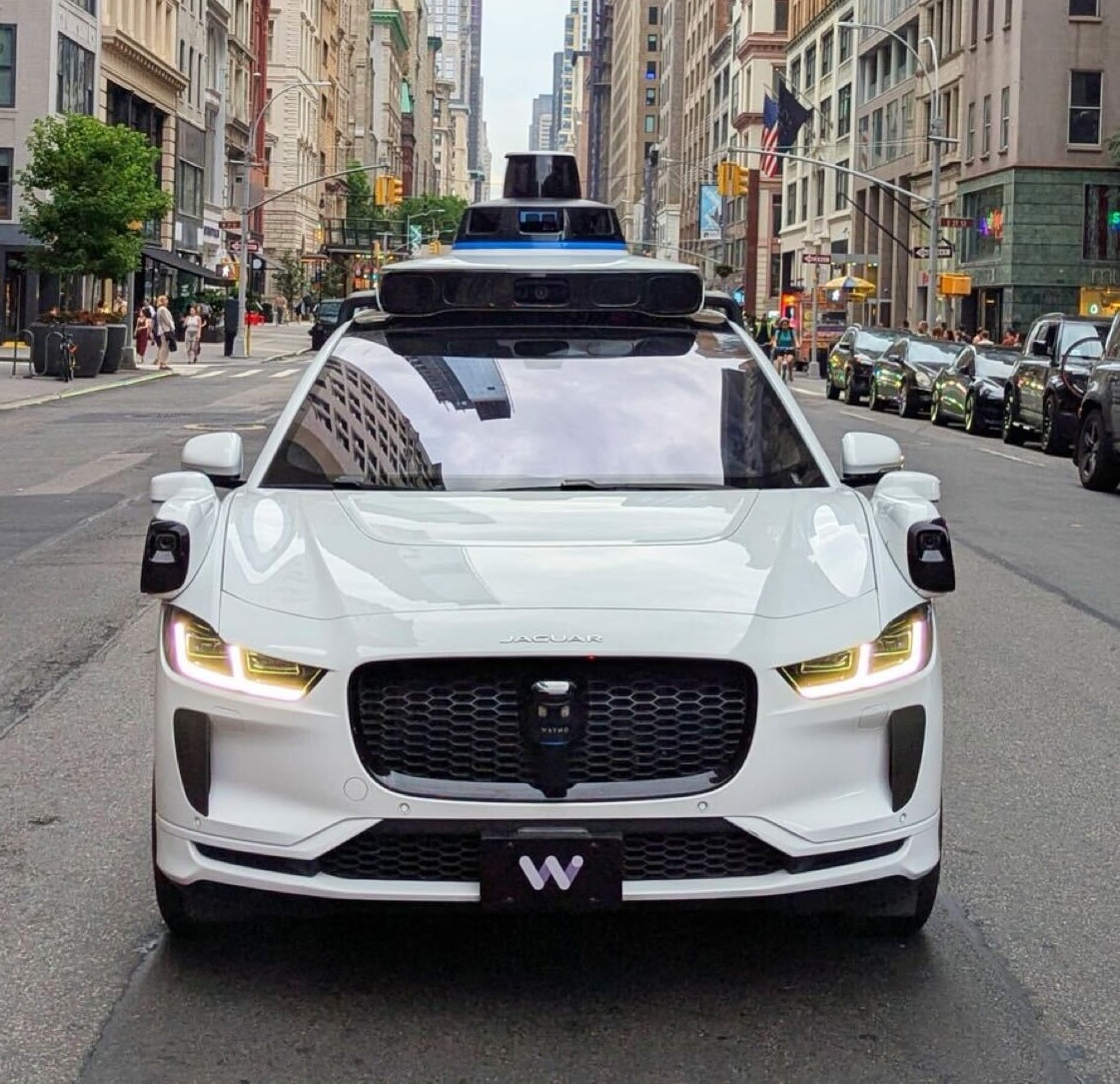
Waymo is shipping a software update to help its robotaxis navigate disabled traffic lights during power outages “more decisively,” the company said Tuesday in a blog post that explains why…
Sources
- Waymo explains why its robotaxis got stuck during the SF blackout
- Waymo explains why robotaxis stalled during S.F. blackout
- Waymo Explains Why Its Robotaxis Stalled in San Francisco
- Here's Why Waymo's Robotaxis Freaked Out During The …
Related posts
- How AMD Broke Into CPUs 50 Years Ago With an Intel 8080 Clone
- Microsoft unveils Agent Framework — open-source toolkit for AI agents and workflows
- Find Message Board Conversations Using Google ‘inurl’ Search Tricks