
TL;DR
A widespread PG&E outage left nearly one-third of San Francisco without power and disabled many traffic signals. Waymo says its autonomous fleet handled over 7,000 dark signals but a spike in safety confirmation requests created a backlog, prompting temporary service pauses and plans for fleet updates and revised emergency protocols.
What happened
Over the weekend a major PG&E power outage affected nearly one-third of San Francisco, knocking out traffic signals across key corridors and producing city-wide congestion. Law enforcement officers manually managed intersections and the city’s emergency management office advised residents to stay home. Waymo reports that its Waymo Driver encountered and traversed more than 7,000 dark traffic signals during the event. Because the Driver sometimes issues confirmation checks when encountering dark signals, the concentrated surge of such situations produced a backlog of confirmation requests; Waymo says those delays in some cases contributed to congestion on already-overwhelmed streets. To avoid adding to congestion and to prioritize emergency access, Waymo temporarily paused its service in the affected area, directed vehicles to pull over and park appropriately, and returned cars to depots in waves. The company says it is analyzing the outage and implementing software and operational changes in response.
Why it matters
- Urban infrastructure failures can create concentrated stress tests for autonomous fleets that rely on predictable signal behavior.
- Confirmation and safety protocols that worked at smaller scale may need adjustment when many vehicles encounter simultaneous, uncommon conditions.
- How autonomous providers coordinate with city officials and first responders affects traffic flow and emergency response during large outages.
- Fleet-level software updates and clearer situational context can change how autonomous vehicles behave in degraded infrastructure scenarios.
Key facts
- Waymo published its account of the event on December 23, 2025.
- The PG&E outage cut power to nearly one-third of San Francisco, according to Waymo.
- Waymo says its vehicles traversed more than 7,000 dark traffic signals during the outage.
- A spike in Driver confirmation checks produced a backlog that Waymo says contributed to response delays and added congestion.
- Waymo temporarily paused service in the affected area and instructed vehicles to pull over and return to depots in waves to avoid obstructing emergency operations.
- The San Francisco Department of Emergency Management advised residents to stay home during the outage.
- Law enforcement manually managed intersections as many traffic signals were disabled.
- Waymo plans fleet-wide updates to give its Driver additional context about regional power outages so it can navigate dark intersections more decisively.
- The company says it has trained more than 25,000 first responders in the U.S. and internationally on interacting with Waymo vehicles.
- Waymo references having logged 100M+ miles of fully autonomous driving experience.
What to watch next
- Rollout of the fleet-wide software updates that add regional outage context to the Waymo Driver (confirmed in the source).
- Updates to Waymo’s emergency preparedness and operational protocols and further coordination with Mayor Lurie’s office in San Francisco (confirmed in the source).
- Revisions to first responder training informed by lessons from this and similar events (confirmed in the source).
- Whether these technical and operational changes measurably reduce delays and congestion during future widespread outages (not confirmed in the source).
Quick glossary
- Waymo Driver: The software and hardware stack Waymo uses to perceive the environment, make driving decisions, and control its autonomous vehicles.
- Four-way stop: An intersection control rule where all directions must stop and proceed in turn or by right-of-way rules when signals are inoperative.
- Confirmation check: A protocol in which an autonomous vehicle requests additional verification before executing a maneuver in an uncertain or uncommon scenario.
- First responder training: Instruction provided to emergency personnel on how to interact safely and effectively with autonomous vehicles during incidents and routine operations.
Reader FAQ
Did Waymo pause service during the outage?
Yes. Waymo temporarily paused service in the affected area and directed vehicles to pull over and return to depots in waves.
How many dark signals did Waymo say its vehicles encountered?
Waymo reports its vehicles traversed more than 7,000 dark traffic signals during the outage.
Did Waymo say its systems caused the city-wide congestion?
Waymo said a surge in its Driver confirmation requests created a backlog that in some cases led to response delays contributing to congestion, but it did not attribute the overall gridlock solely to its fleet.
What concrete changes is Waymo making after the outage?
Waymo plans fleet-wide updates to provide outage context, revisions to emergency preparedness and response, and continued updates to first responder training.
Was the cause of the PG&E outage described in the report?
not confirmed in the source
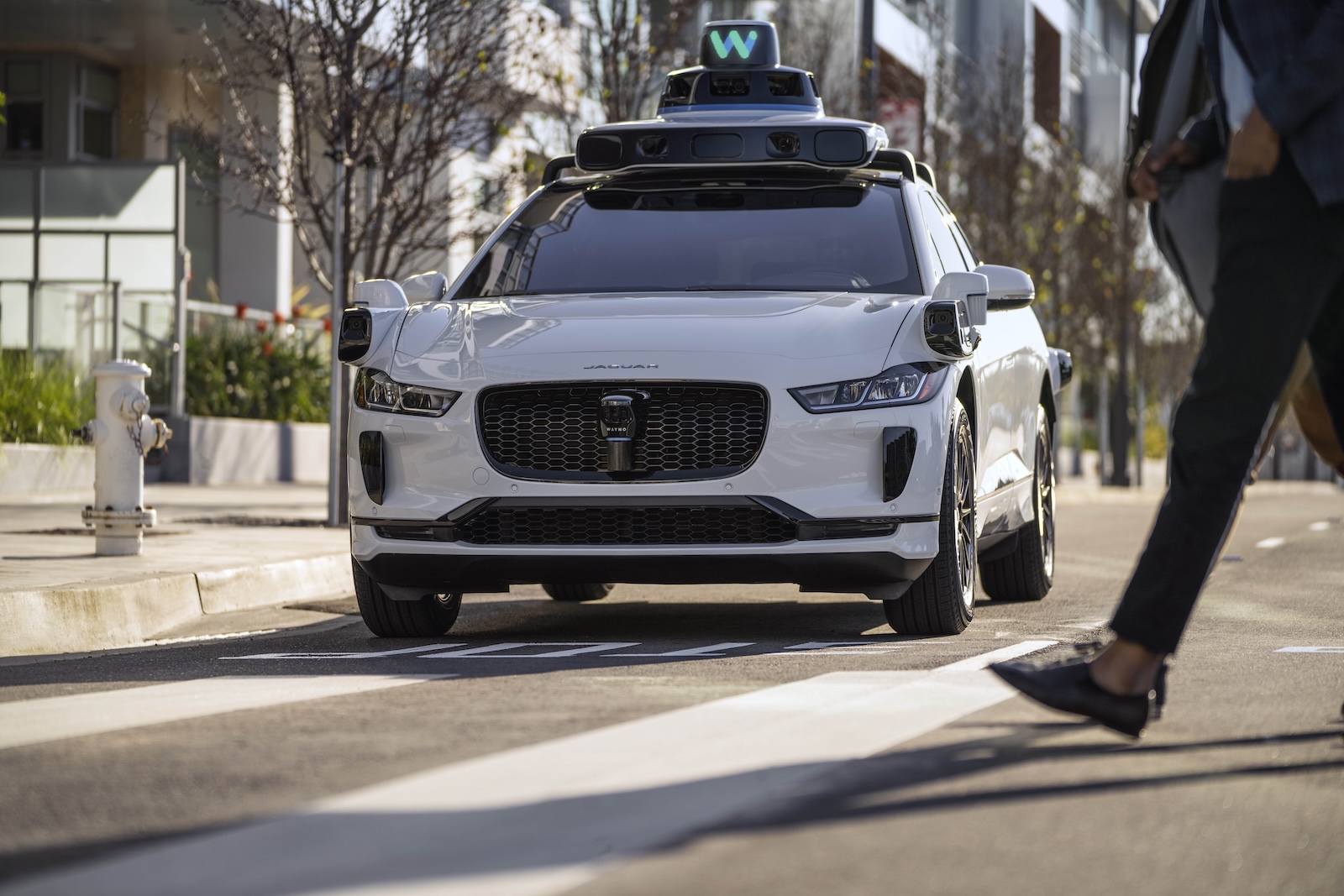
Back Autonomously navigating the real world: lessons from the PG&E outage December 23, 2025 Company News The Waymo Team Share on Twitter Share on LinkedIn Share on Facebook At Waymo,…
Sources
- Lessons from the PG&E outage
- PG&E and Waymo's watchdog responds with a shrug after …
- Waymo's blackout meltdown shows why S.F. still needs …
- San Francisco power outage: Waymo announces fleet …
Related posts
- Google’s year in review: 8 areas with research breakthroughs in 2025
- Salesforce’s ChatGPT Tie-up Aimed at Preventing Customer Data Leaks
- YC‑backed Keystone seeks founding engineer to build AI error fixer