
TL;DR
Researcher Jane Manchun Wong uncovered a 1,200+ line system prompt indicating Waymo is testing an in-car assistant powered by Google’s Gemini inside its robotaxis. The assistant would answer general questions, control some cabin features, and adopt a concise, ride-focused persona; the feature has not appeared in public builds.
What happened
Code analysis by researcher Jane Manchun Wong revealed a lengthy internal specification titled a "Ride Assistant Meta-Prompt" that describes how a Gemini-based AI would behave inside Waymo vehicles. The document outlines the assistant’s identity as a friendly, helpful companion meant to improve the rider experience while staying unobtrusive. According to the prompts, the assistant can answer general-knowledge questions and manage certain cabin functions such as temperature, lighting and music. It is instructed to keep replies short (one to three sentences), use simple language, and draw on contextual rider data like first name and trip count. The prompts also direct the assistant to avoid speaking for or about the Waymo Driver, decline to comment on real-time driving events, and refrain from taking real-world actions such as placing orders or handling emergencies. Waymo told TechCrunch it experiments with features internally but gave no launch details.
Why it matters
- In-vehicle AI could change passenger experience by providing immediate information, personalization and hands-free control of some cabin features.
- Embedding a large-language model in robotaxis raises questions about data access and how rider context will be used or stored.
- Limits placed in the prompt — such as not commenting on driving behavior or taking real-world actions — signal company caution around safety, liability and regulatory exposure.
- This move illustrates a broader industry trend of integrating conversational AI into vehicles, with different companies positioning assistants for distinct roles.
Key facts
- Researcher Jane Manchun Wong found a 1,200+ line system prompt for an unreleased Gemini integration in Waymo’s app code.
- The assistant is described as a Gemini-powered in-car companion designed to enhance the rider experience.
- Planned capabilities include answering general-knowledge questions and controlling in-cabin features like temperature, lighting and music.
- Controls explicitly absent from the prompt include volume, route changes, seat adjustments and window control.
- The assistant is instructed to reply succinctly (one to three sentences) and avoid technical jargon.
- Prompts permit the assistant to access contextual rider data such as the rider’s first name and number of Waymo trips.
- The system directs the assistant not to present itself as the Waymo Driver and to refrain from commenting on real-time driving events.
- The assistant is disallowed from performing real-world transactions or handling emergencies.
- Waymo has previously used Gemini’s world knowledge to help train its autonomous driving system, per the reporting.
- A Waymo spokesperson told TechCrunch the company experiments with features internally and that some may not reach riders.
What to watch next
- Timeline for any public rollout of the Gemini-powered assistant (not confirmed in the source).
- Detailed privacy and data-handling policies for contextual information the assistant can access (not confirmed in the source).
- Whether future versions will gain control of additional vehicle functions such as route changes or windows (not confirmed in the source).
Quick glossary
- Gemini: Google’s family of large-language models designed to understand and generate text and perform a range of conversational and reasoning tasks.
- System prompt: A configuration or instruction set that guides how a conversational AI should behave, including tone, allowed actions, and response constraints.
- Waymo Driver: The autonomous driving system developed by Waymo that handles vehicle perception, planning and control.
- In-cabin features: Controls and systems inside a vehicle that affect passenger comfort and experience, such as climate, lighting and audio.
Reader FAQ
Has Waymo shipped the Gemini assistant to riders?
No — the feature was found in internal code and prompts and has not appeared in public builds, per the reporting.
What can the assistant do inside the vehicle?
According to the system prompt, it can answer general-knowledge questions and control certain cabin features like temperature, lighting and music.
Can the assistant comment on or control driving decisions?
The prompts instruct it not to speak for the Waymo Driver, not to comment on real-time driving events, and it does not control route changes.
Will the assistant place orders or handle emergencies?
The system prompt says it is not allowed to take real-world actions such as ordering food, making reservations, or managing emergencies.
Where did this information come from?
It was reported by TechCrunch after researcher Jane Manchun Wong discovered the internal prompts in Waymo’s mobile app code; Waymo provided a general comment to TechCrunch.
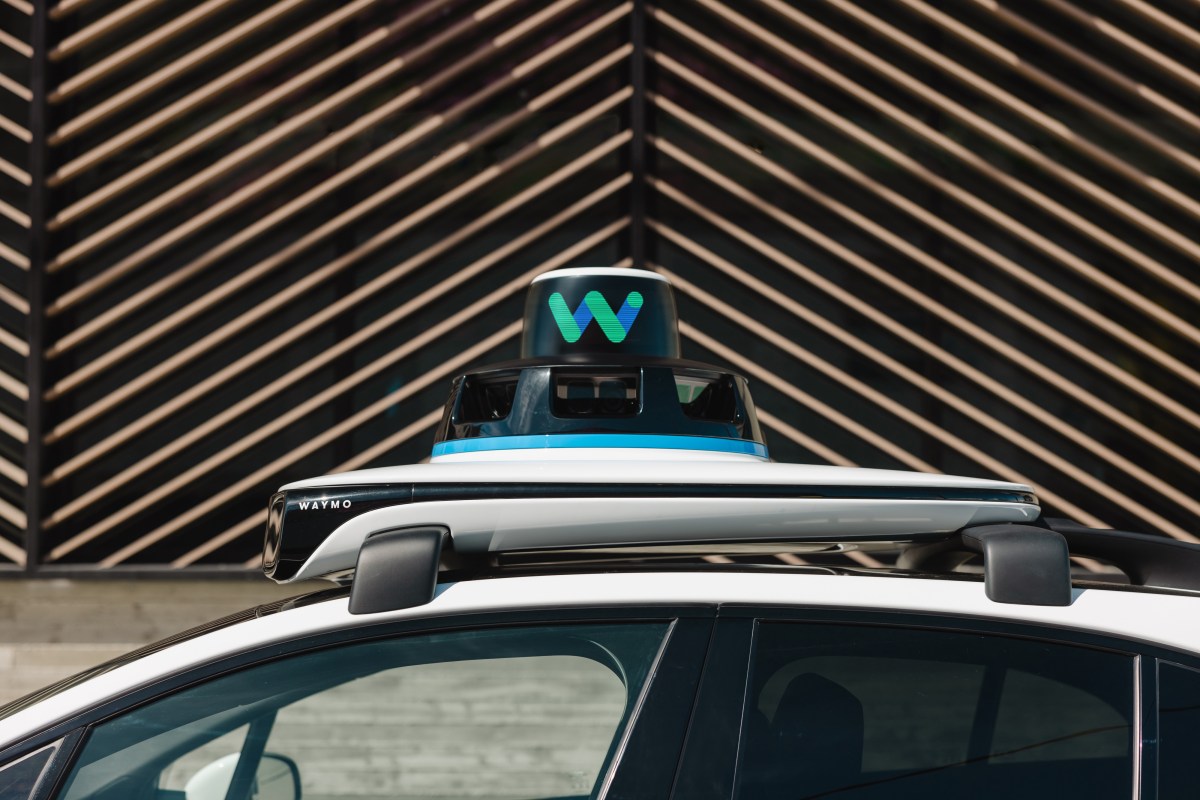
Waymo appears to be testing adding Google’s Gemini AI chatbot to its robotaxis in an effort to integrate an AI assistant that would accompany riders and answer their queries, according…
Sources
- Waymo is testing Gemini as an in-car AI assistant in its robotaxis
- Waymo Taps Gemini AI Assistant For Robotaxis – FindArticles
- Waymo explores using Google's Gemini to train its robotaxis
- Waymo Explores Using Google's Gemini To Train Its …
Related posts
- Waymo details why its robotaxis stalled at intersections in SF blackout
- Microsoft unveils Agent Framework — open-source toolkit for AI agents and workflows
- Find Message Board Conversations Using Google ‘inurl’ Search Tricks