
TL;DR
A preamplifier prepares audio signals for amplification by bringing them to line level, selecting sources, and controlling volume. Whether you need a separate preamp depends on your setup and priorities: casual systems already include preamp functions, while audiophiles may prefer separate components for potential noise and interference benefits.
What happened
The article explains the role of a preamplifier in audio systems and whether an external unit is necessary. A preamp handles tasks performed before power amplification: it selects inputs, adjusts volume, and raises signals to standard line level so a power amplifier or active speaker can drive drivers. Many modern or integrated products combine preamplifier and amplifier functions in a single enclosure; wireless speakers and integrated amplifiers typically contain the preamp internally. Some listeners prefer separate preamplifiers paired with dedicated power amplifiers—the so-called pre/power arrangement—because separating functions can reduce electrical interaction and potentially keep the signal cleaner. Specialised ‘phono stages’ are required for the extremely low-output signals from turntables. The piece also contrasts solid-state and tube preamps in cost, maintenance and subjective sonic character, and offers four model recommendations ranging from budget to high-end phono stages.
Why it matters
- A preamp performs necessary signal conditioning—without it, components can’t reach standard line level.
- Separating preamp and power amp functions can reduce electrical interference, which may matter to serious listeners.
- Turntables require dedicated phono amplification; not having one prevents usable output from vinyl sources.
- The choice between solid-state and tube preamps affects maintenance, cost and subjective tonal character.
Key facts
- A preamplifier readies audio signals before they reach a power amplifier, including input selection and volume control.
- Many systems (wireless speakers, integrated amplifiers) include preamp functionality inside the same enclosure.
- A split configuration with a standalone preamplifier and power amplifier is commonly called a pre/power setup.
- Phono stages are specialised preamps designed to amplify the very weak output of turntables up to line level.
- Solid-state preamps generally cost less and require little upkeep; tube preamps need periodic tube replacement and care.
- The article recommends four products across price points: Fosi Audio P4 (budget preamp), Cambridge Audio CXN100 (feature-rich preamp/streamer, shown at $1,099 and on sale at $949), Rega Fono Mini A2D mk2 (affordable phono stage, about $215), and Vertere Phono 1 mkII L (high-end phono stage, about $1,895).
- Purists believe component separation helps keep electrical activity isolated and preserves signal purity, though sound benefits are subjective.
What to watch next
- Whether your existing equipment (integrated amp or speaker) already contains preamp functionality—many systems do.
- If you use a turntable, confirm whether it has a built-in phono stage or if you need a standalone phono preamp.
- For those considering upgrades, watch tradeoffs between budget, features (like digital-to-analog conversion and streaming), and physical space/power requirements.
Quick glossary
- Preamplifier (preamp): A device that prepares and conditions an audio signal—selecting inputs, setting volume and raising the signal to line level before power amplification.
- Line level: The standard signal voltage strength used to pass audio between components, after initial preamplification and before power amplification.
- Phono stage: A specialized preamplifier that amplifies the very low-level output from a turntable to line level and applies required equalization.
- Integrated amplifier: A single unit combining preamplifier and power amplifier functions, often including inputs and basic controls.
- Solid-state vs. tube: Two common technologies for audio electronics: solid-state uses semiconductor components and typically offers lower cost and low maintenance; tube (valve) gear uses vacuum tubes and requires upkeep but is associated with a different, often described as warmer, tonal character.
Reader FAQ
Do I need a preamp for my audio setup?
Every working audio system includes preamp functionality somewhere; a separate external preamp is optional and depends on how seriously you pursue system upgrades.
Does a separate preamp always improve sound?
Not guaranteed—separating preamp and power amp can reduce electrical interaction and potential noise, but perceived improvements are subjective.
Do turntables need a preamp?
Yes—turntables produce very low-level signals and require a phono stage to reach line level.
Are tube preamps objectively better than solid-state?
Not confirmed in the source.
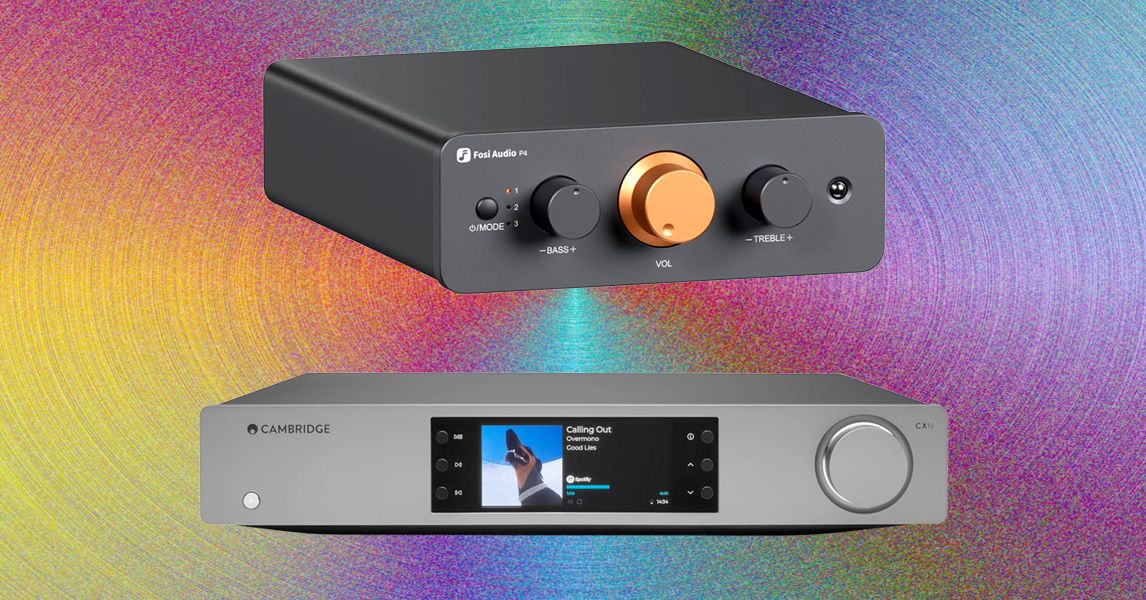
SIMON LUCAS GEAR DEC 30, 2025 7:00 AM What Is a Preamp, and Do I Really Need One? If you've wondered what a preamplifier is, what it exactly does, and…
Sources
- What Is a Preamp, and Do I Really Need One?
- What Is a Preamp, and Do I Need One? – InSync
- What is Preamp and What it Does?
- What is a Preamp? Do I Need One?
Related posts
- Non-Zero-Sum Games: Mapping Cooperation Across Theory, Nature, Ethics, and AI
- Top Digital Notebooks for 2026: reMarkable, Kobo and Kindle Picks
- Apple @ Work podcast: Bradley C’s 2026 predictions for Apple IT administrators